Why Your Lawn Yellows in June (and What to Do This Week)
Four common causes, how to tell them apart in thirty seconds, and the one mistake most homeowners in Istanbul make every June.
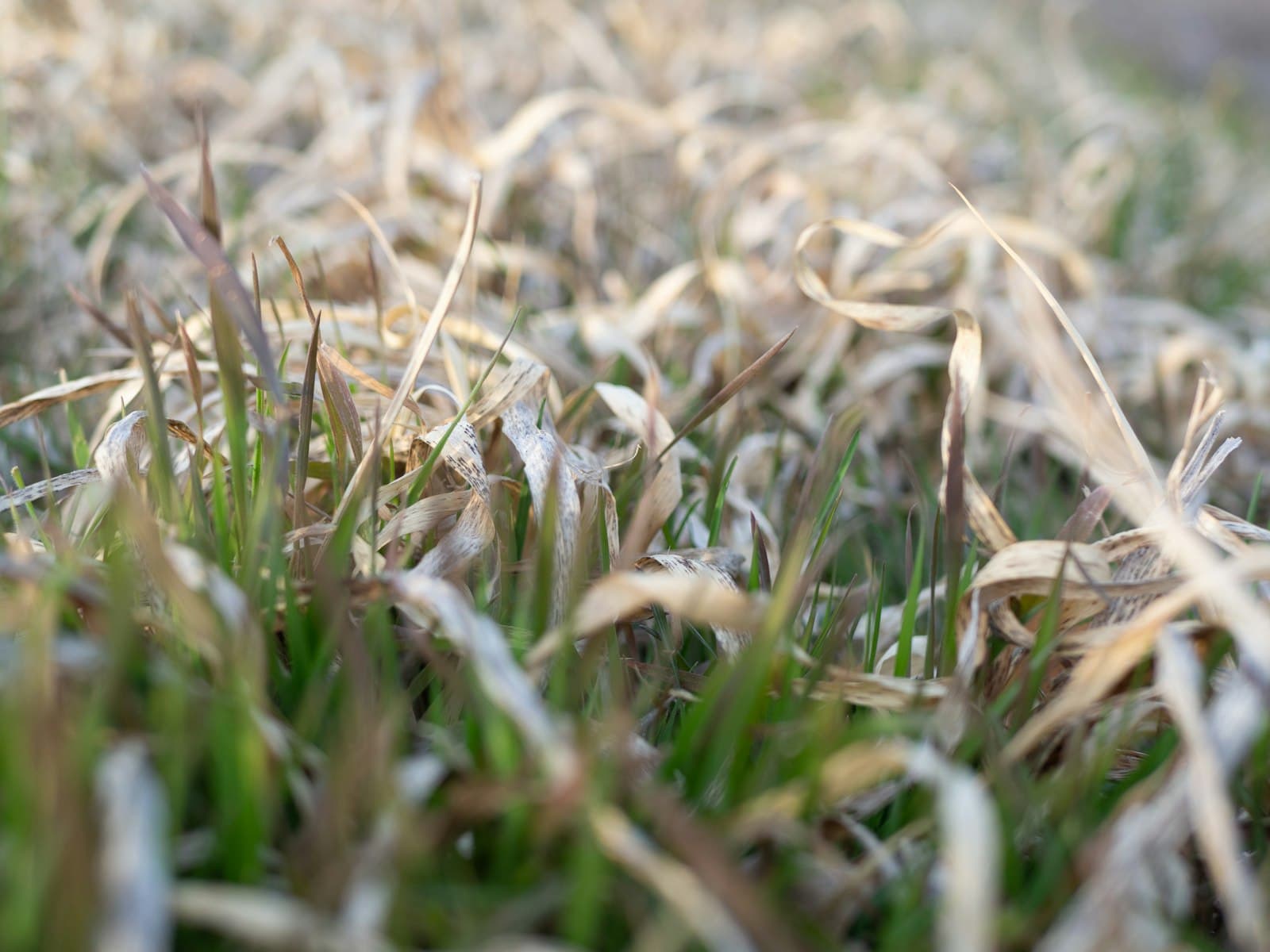
Photo: Yuika Takamura (@blue_hamberts) · Unsplash
Having this problem in your own garden?
Get a free site visitYou wake up in the first week of June, open the courtyard door, and find that the lawn which was a brilliant green two weeks ago has turned that pale yellow you hate. You are not alone. This is complaint number one from our clients in Istanbul and Amman every June.
The good news: you can diagnose it in thirty seconds. The less cheerful news: not every cause is solved by more water.
What to check first
Touch a patch of grass with your hand. If it feels dry like straw — one cause. If it feels damp but the colour is yellow — a completely different one. If you see separated circular patches — a third. These distinctions are the ones that matter.
The four most common causes
1. Heat stress. Cool-season turfgrasses (Festuca and Lolium blends, which dominate Istanbul lawns) begin to yellow once soil temperature crosses 30°C for consecutive days. This is not a disease; it is a natural defence.
2. Shallow, frequent watering. The first mistake. Many homeowners water for ten minutes every day. This trains the root system to stay near the surface, where the summer sun will kill it. Result: yellowing despite constant watering.
3. Iron or nitrogen deficiency. A pale, slightly whitish yellow — most visible between the leaf veins. Turkish soils tend to be alkaline, which locks iron away from the plant even when it is present.
4. Summer fungus. Circular spots 5–30 cm across, yellow or brown, with darker edges. Appears after a warm, humid night. This is the most serious of the four.
◆ NAS Landscape
Not sure if this applies to your garden?
The four causes above look alike from a distance but need different treatments. A 30-minute site visit from our specialist gives you the right answer — no guessing.
Request a free diagnosisWhat you can do this week
If the cause is heat stress or shallow watering (most likely):
- Water once every three days, deeply — 25–30 minutes by sprinkler. This pushes roots downward.
- Water before dawn — between 4 and 6 a.m. Not the evening (invites fungus) and not midday (wasted to evaporation).
- Raise the mower blade to 5–6 cm — longer grass shades its own roots.
If the cause is iron deficiency:
- An iron-rich lawn fertiliser (look for the Fe-EDDHA formulation, available at agricultural suppliers). One application shows results within a week.
When this is not enough
If you have tried deep watering for a week and the colour has not returned, or you see circular spots, or the yellowing is expanding quickly — stop. Every day you wait, the next repair gets larger.
These cases require:
- A soil analysis (pH, micronutrients)
- A sample diagnosed under a microscope
- A specific treatment decision
NAS Landscape specialists handle all of this in a single site visit. Sixty years of Mediterranean-climate experience condensed into thirty minutes.
The one mistake most homeowners make in June
Over-watering. Owners see the lawn yellow, assume it is thirsty, and water more. This compounds the problem — it keeps roots at the surface and invites fungus.
The simple rule: one deep watering every three days beats three shallow ones.
Sources:
- Royal Horticultural Society (RHS), Lawn Yellowing Diagnosis (2023).
- FAO, Turfgrass Management in Mediterranean Climates (2019).
- TAGEM — Turkish Ministry of Agriculture, Turfgrass Guide for Continental-Mediterranean Regions.
- NAS Landscape field experience across 500+ projects in Istanbul and the Gulf.
◆ A real diagnosis, not a guess
Send a photo. Get a plan.
Our specialists handle cases like yours across Istanbul and the wider region. Share a photo on WhatsApp or book a free site visit — whichever is faster for you.
60+ years · 7 countries · 500+ projects · third-generation atelier
◆ More field notes
 Lawn & Turf
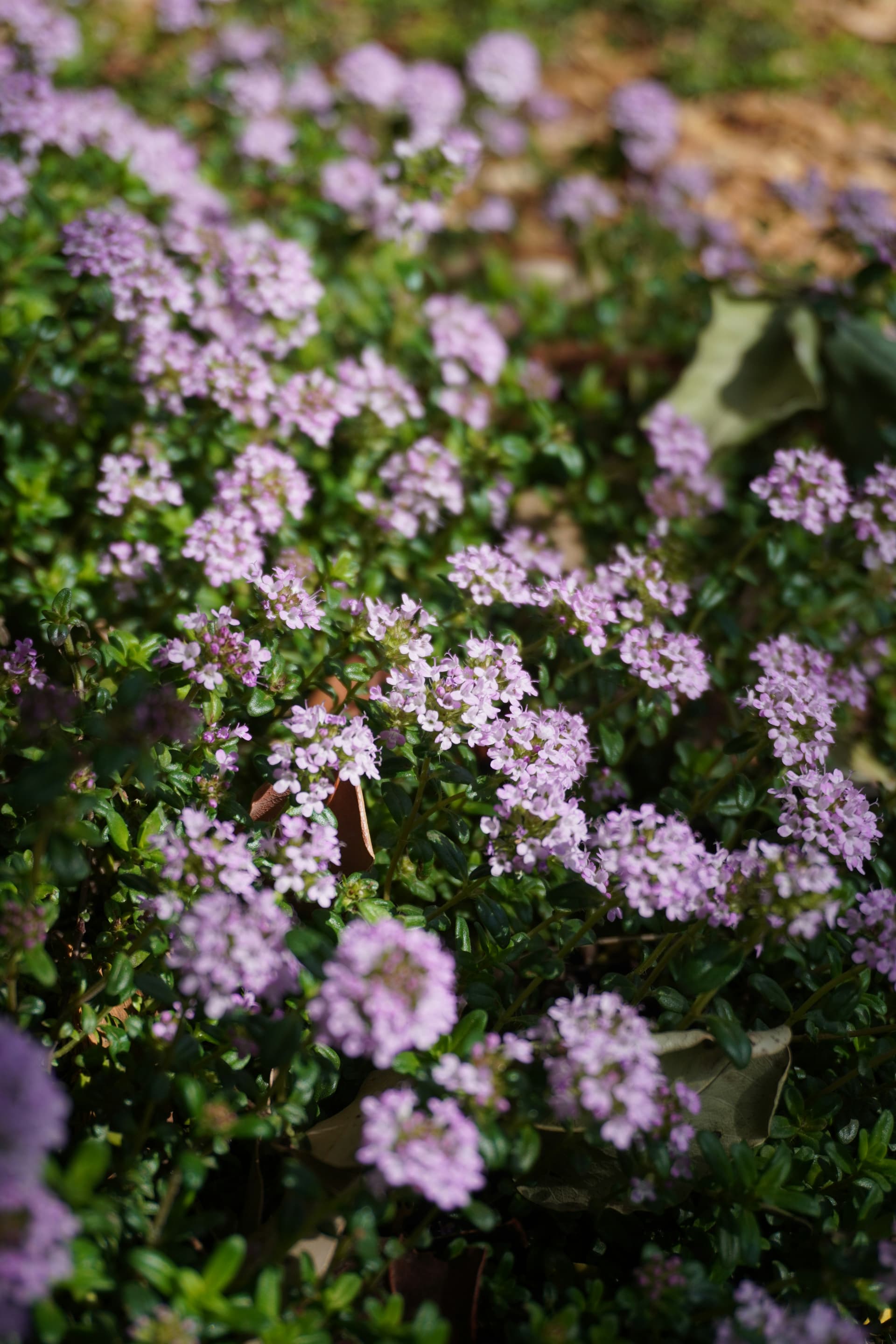
Lawn Alternatives for the Mediterranean: Five Ground Covers That Outperform Grass
A conventional lawn is fighting the climate, and in Mediterranean August the climate always wins. Five working alternatives — thyme, dymondia, kurapia, sedum, lavender — each with a specific best use.
 Lawn & Turf
Why Your Lawn Dies Every August in Istanbul (and the Permanent Fix)
If your lawn looks green in May and yellow in August, you planted the wrong grass. Here is the species-level fix — and why watering more is not the answer.
Editorial & digital direction
Written, designed, and built by MHD ZUHIR MADAMANI · Istanbul