Reviving a Neglected Villa Garden: The Atelier's 90-Day Recovery Plan
You inherited a garden that has been left alone for three, five, ten years. Everything looks dead. It is not — but you have three months to prove it. Here is the atelier's rescue sequence.

Photo: Unsplash
Having this problem in your own garden?
Get a free site visitYou bought the villa, or inherited it, and the garden was not part of the sales pitch. Three years, five years, ten years of no one really looking after it. Olive trees suckering from their roots. A lawn that died three seasons ago. Weeds tall enough to hide a small dog. A pool surround overgrown with bougainvillea that is now in the gutters.
Everyone who calls us about this situation asks the same question: is it worth saving, or should I start over?
Almost always — save it. A twenty-year-old garden has assets that a new garden cannot buy at any price: mature trees, established soil biology, hedges that are finally the right height. What it needs is not replacement. It needs rescue.
This is the atelier's 90-day recovery plan for neglected villa gardens. We use it as a framework on commissions across Türkiye, the Gulf, and the Levant.
Before day 1: the assessment walk
Spend a morning in the garden with a notebook. Before you cut anything, identify:
- Every tree over 3 metres. These are your assets. Write down what they are, and their condition. Even struggling mature trees are worth saving.
- Existing hardscape. Paths, walls, terraces, pool. Note what needs repair versus what needs replacement.
- Water infrastructure. Any drip irrigation? Sprinklers? Are the lines intact or cut?
- The ground. Compacted? Soft? Weedy? This tells you what kind of intervention the soil needs.
- What is actually dead vs. dormant. In spring, scratch the bark of any questionable branch with a fingernail. Green underneath = alive. Brown = dead. Do this before you cut.
Take photos, lots of them. You will want the before record when the client asks three months later whether it was worth it.
Days 1 to 10 — clearance
The first phase is brutal and fast. Nothing grows in a jungle.
- Remove all weeds, brambles, and invasive growth. If the garden has been left, expect thistles, rubus, ivy out of control. Cut back to the soil line; treat regrowth.
- Cut dead wood from every tree and shrub. Anything clearly dead goes. Leave ambiguous cases — you will return in 30 days when growth starts.
- Remove plants that are already lost. A dead rose with no live wood is a dead rose. Taking it out opens light and space for recovery.
- Clear pathways, terraces, and the pool area of debris and organic matter.
- Sort removed material: anything diseased or weedy goes to the bin; clean garden waste gets composted.
Expect to fill 10 to 30 cubic metres of skips on a 500 m² villa garden. This is normal.
◆ NAS Landscape
Not sure if this applies to your garden?
The four causes above look alike from a distance but need different treatments. A 30-minute site visit from our specialist gives you the right answer — no guessing.
Request a free diagnosisDays 11 to 20 — the hard prune
The clearance reveals the bones of the garden. Now the structural pruning begins.
- Mature olive trees. Remove all suckers at the base (last year's, the year before's, everything). Clean out dead interior wood. Lift the canopy — remove the lowest branches to raise the canopy to head height. Do not attempt full restoration pruning yet; olives tolerate staged work better than one-shot major cuts.
- Overgrown hedges. Reduce height by one-third maximum. A badly overgrown hedge cannot be restored in one cut; plan a three-year programme.
- Old fruit trees. Remove dead wood, crossing branches, water sprouts. Lift the canopy. Leave most of the productive wood for now — the tree needs all the leaves it can make during recovery.
- Abandoned roses. Cut back to 30 cm from the ground. Feed heavily. Within 6 weeks you will know if the root is alive.
From NAS's experience on Istanbul and Gulf restoration commissions: the hard prune looks alarming. Clients sometimes panic at day 20. Hold course — the recovery is in the next 30 days.
Days 21 to 45 — soil and water repair
Now the garden has room to breathe. Restore the systems beneath.
- Test the soil. pH, texture, salt content, organic matter. Decide on amendments based on actual data, not guesses.
- Deep-fork the compacted zones. Anywhere vehicles have driven over, anywhere lawn has died — fork to 30 cm depth to re-aerate.
- Rebuild beds. Incorporate compost and, if soil is heavy, coarse sand at 1:3 ratio.
- Repair or replace irrigation. Most neglected gardens have damaged or missing irrigation. Plan it now — not after replanting.
- Apply balanced slow-release fertiliser to trees, shrubs, and lawn areas. Everything is hungry.
- Mulch everything. 5 to 8 cm of organic mulch across all beds. This single step halves the water needs of the coming summer and suppresses 80 percent of returning weeds.
Days 46 to 70 — replanting and gap-filling
By day 45 you can see what survived. Now fill in.
- Replace obviously dead shrubs with appropriate substitutes — same colour palette, same scale.
- Overseed dead lawn areas (cool-season mix in spring, warm-season in late spring).
- Add mid-season colour — perennials and seasonal annuals to bring immediate vitality.
- Plant any major trees or anchor specimens the restored design calls for.
- Protect new plantings with individual irrigation and mulch.
From the atelier's practice: on a villa restoration we typically add 15 to 25 percent new plants beyond what we save. Less and the garden still looks patchy. More and it stops being a restoration and becomes a redesign.
Days 71 to 90 — refine and establish maintenance
The garden now looks like a garden. The final three weeks are about refinement and setting up the ongoing care.
- Final pruning pass — shape the things that have responded to the hard prune, remove anything that has not leafed out and is clearly dead.
- Fine-tune irrigation zone by zone after a week of actual running.
- Deep-soak twice before handover; the garden should be well-hydrated going into summer.
- Install ongoing maintenance — either a schedule the owner can follow, or a contract with a maintenance team. Without this, the garden will revert within two years.
- Photograph the result. Before-and-after matters.
What 90 days costs
Honest ranges from recent NAS commissions on villa restorations:
- Small villa garden (150 to 300 m², single gardener can work alone): €4,000 to €9,000
- Medium villa (300 to 800 m², needs a team): €12,000 to €35,000
- Estate-scale (1,000+ m², multiple zones, significant replanting): €50,000 to €150,000
These figures exclude major hardscape repairs (broken walls, pool resurfacing, irrigation replacement beyond what we can repair in-place). Those add significantly if needed.
When to walk away
Some gardens are not worth rescuing. The signs:
- Mature trees show severe disease (Verticillium in olives, honey fungus at root crowns). Saving individual trees may cost more than replacement.
- Soil is deeply contaminated — by fuel spills, construction waste, or chemical dumping. Restoration requires soil replacement at scale.
- The design itself was always wrong — a lawn garden at 45 °C that was never going to survive, a hedge species for the wrong climate. Revival restores the wrong garden; better to redesign.
- The client expects a show garden in 90 days on the budget of a restoration. Manage expectations at day 1, not day 60.
A properly restored neglected garden reaches 80 percent of its potential by day 90 and continues improving for five years. It will not look like a new landscape-magazine cover at day 90. It will look like a serious garden, beautifully returned to life.
The atelier's role
NAS runs villa restoration commissions across Türkiye, the Gulf, and the Levant as a specific service. We walk the site, produce a 90-day plan with timelines and costs, execute with a consistent team, and set up ongoing maintenance.
If you have inherited or bought a villa with a neglected garden, send us photographs of the current state on WhatsApp +90 535 422 5227. A real landscape architect will review it and propose a restoration approach the same working day. No charge for the first read.
NAS Landscape runs garden restoration programmes across seven countries. Established 1965, Damascus. Written by MHD ZUHIR MADAMANI, Istanbul.
◆ A real diagnosis, not a guess
Send a photo. Get a plan.
Our specialists handle cases like yours across Istanbul and the wider region. Share a photo on WhatsApp or book a free site visit — whichever is faster for you.
60+ years · 7 countries · 500+ projects · third-generation atelier
◆ More field notes
 Maintenance
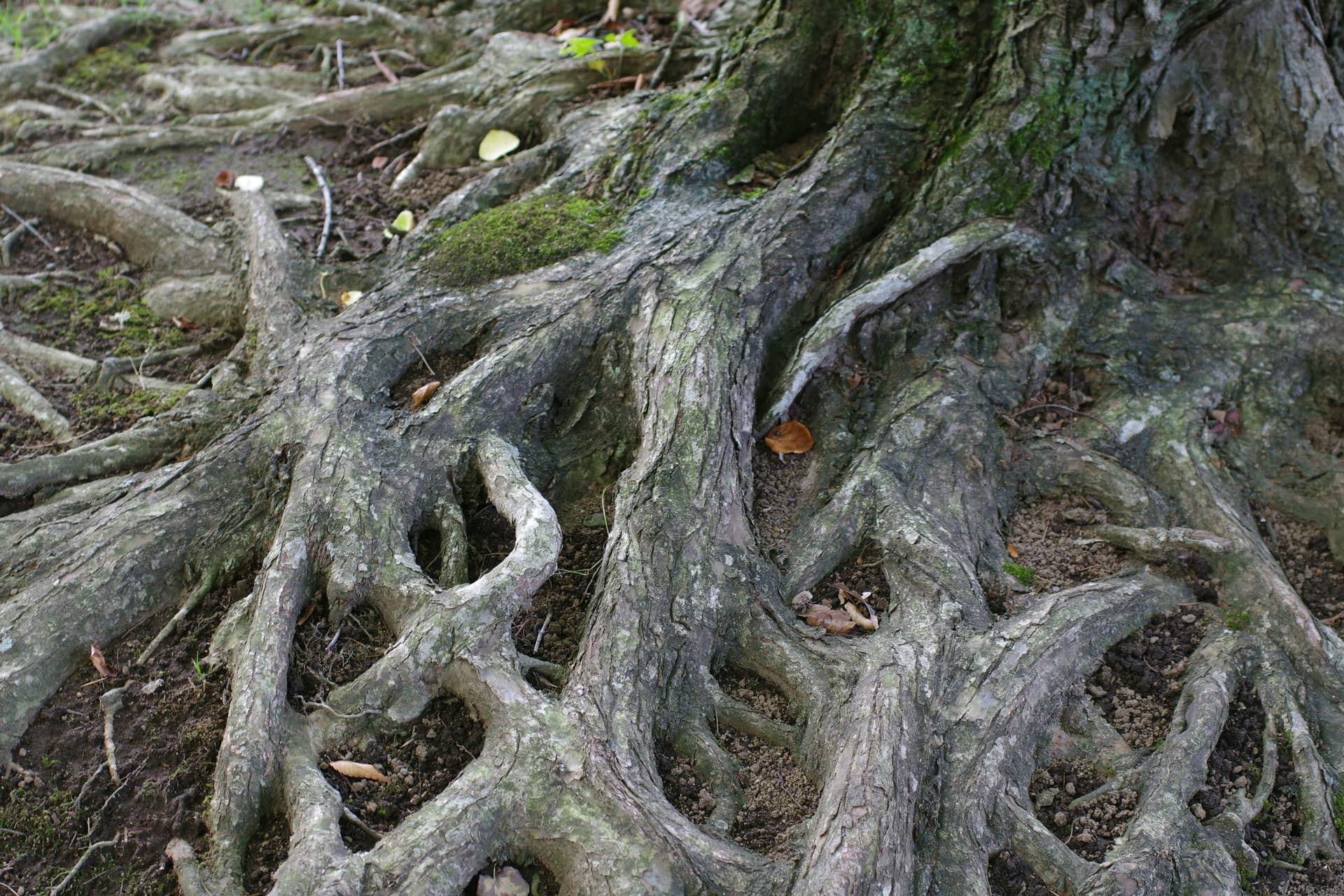
Tree Roots Under Your Villa: When to Worry, When to Act, When to Call Us
A crack in the paving and a mature tree nearby usually triggers panic — and a bad decision. Most 'root damage' is an unrelated failure a curious root exploited. Here is how to tell the difference before you lose a tree.
 Maintenance
The Monthly Villa Garden Maintenance Checklist (The One Professionals Actually Use)
Twelve months, task-by-task, from the atelier's actual maintenance rotation. If you follow this calendar, your garden gets better every year instead of worse.
Editorial & digital direction
Written, designed, and built by MHD ZUHIR MADAMANI · Istanbul