Choosing Stone for a Mediterranean Garden: Travertine, Limestone, or Slate?
The stone you choose defines the garden for forty years. Here is how the atelier picks — by climate, use, and how the stone ages.
Photo: Unsplash
The stone you pick for a Mediterranean garden is not a finish — it is a decision that will define the garden's character for the next forty years. Unlike planting, which evolves, and furniture, which changes, stone is permanent. Pick wrong and you live with it, or rip it up at considerable cost.
This guide is the framework we use at NAS when specifying stone for villa terraces, courtyards, and pathways. It covers the three options that genuinely belong in a Mediterranean garden — travertine, limestone, and slate — and when each is right.
First: concrete is not a contender
Concrete pavers look like stone for about three years. Then the surface wears, the colour fades unevenly, the joints crack, and you are left with a surface that reads as neither stone nor natural. It has its place — service paths, driveways, utility zones — but nowhere a villa client will see or walk barefoot.
If the budget is tight, specify smaller quantities of real stone rather than larger quantities of concrete. A genuine stone path of 8 square metres is more valuable than 30 square metres of concrete pavers.
Travertine — the Mediterranean default
Travertine is limestone that has been deposited by hot-spring mineral-rich water. It is characterised by its warm cream-to-beige colour, subtle banding, and the small natural pores that give it its distinctive texture. Quarries in Turkey, Italy, and Iran supply the world market.
Why it works for the Mediterranean:
- Light colour reflects heat, keeping the surface usable at 35 °C
- Warm tone reads as "classical" and ages gracefully
- High Solar Reflectance Index (65–75 typically)
- Cools quickly in evening, holds less heat than dark stone
- Easy to cut, shape, and replace if damaged
Where it fits:
- Pool surrounds — the light colour keeps the surface cool enough for bare feet
- Main terraces and outdoor dining areas
- Stair treads
- Villa entrance paving
Watch out for:
- Unfilled travertine (where the natural pores are left open) requires sealing annually or it traps dirt. Filled travertine is almost always the right choice for outdoor horizontal surfaces.
- Cheap Chinese travertine exists. It is paler, thinner, and fractures under load. Specify Turkish or Italian travertine and ask to see the quarry certificate.
- Travertine polishes to a glossy finish that is unsafe when wet — always specify a "honed" or "tumbled" finish for outdoor use.
Typical cost in Turkey (2026): 280 to 550 TL per m² delivered and installed, depending on thickness and provenance.
Limestone — the understated choice
A dense-grained limestone is the quieter, often more elegant alternative to travertine. Lighter stones like French Jura or Portuguese Moleanos are slightly harder and denser, with less visual texture. Turkish limestone quarries produce excellent material, sometimes sold under trade names.
Why it works:
- Cleaner, more minimal appearance than travertine
- Less porous, requires less sealing
- Holds a sharper edge at corners and steps
- Wider colour range: cream, grey-cream, even grey-blue stones
Where it fits:
- Modernist or minimalist garden designs where travertine's texture reads as too busy
- Seating walls, pool copings, bench surfaces — places where a sharp edge matters
- Shaded courtyards where the lower SRI is less critical
- Integration with contemporary villa architecture
Watch out for:
- Some soft limestones (Indian Kota, cheaper Spanish varieties) are pretty when new but erode within a decade in a wet climate. Specify a density above 2.5 g/cm³ minimum.
- The colour variation between batches can be significant. Order 10 percent extra in a single delivery to ensure consistency.
Typical cost: 350 to 750 TL per m² installed.
Slate — the wildcard
Slate is a metamorphic stone, usually dark grey to near-black, sometimes with russet or green variants (Welsh, Chinese, and Brazilian slates). It is outside the traditional Mediterranean palette but has a place in specific design contexts.
Why it can work:
- Dramatic contrast with silver-green Mediterranean planting (olive leaves against black slate is striking)
- Excellent durability — a well-laid slate terrace lasts fifty years
- Interesting texture (cleft slate has a natural riven surface)
- Modern design languages often use it well
Why it often fails:
- Dark colour reaches 55 to 70 °C in summer sun. Unwalkable barefoot.
- Absorbs heat and releases it into adjacent planting at night — stressful for many plants
- Reads as "English country garden" or "cold Northern Europe" when used extensively
- Can look funereal in hard Mediterranean light
Where we use it:
- Small accent zones — a slate step between garden levels, a slate-edge water feature
- Shaded interior courtyards where full sun never reaches it
- When the architectural style of the house is Modernist or Industrial — slate supports that vocabulary
- Never as the primary terrace or pool deck in a Mediterranean climate. The heat issue alone disqualifies it.
Typical cost: 300 to 650 TL per m² installed (cleft slate costs more than tiles).
How to decide: the four questions
Before specifying, answer:
1. How much direct summer sun does the surface get? 8+ hours: travertine or very light limestone only. 4 to 8 hours: either works. Less than 4 hours (shaded): any of the three is fine.
2. Will people walk barefoot on it? If yes (pool, terrace, seating area): travertine. Never dark slate.
3. What is the style of the house? Traditional, Mediterranean, or Ottoman revival: travertine or limestone. Modernist/minimalist: limestone or, sparingly, slate. Coastal: travertine (weathers best in salt air).
4. What is the budget per square metre? Under 300 TL/m²: specify less area of real stone rather than concrete. 300 to 500: honed travertine. 500+: premium limestone, dimensional travertine, or slate accents.
The finish matters as much as the stone
Whatever stone you choose, the finish determines its feel and safety:
- Polished — glossy, high-reflection. Indoor use only. Lethal when wet outdoors.
- Honed — smooth but matt. The right default for terraces and floors. Good grip when wet.
- Brushed — slightly textured, natural feel. Works for paths.
- Tumbled — intentionally aged edges. Good for informal paths and gardens meant to look old from day one.
- Split-face / cleft — raw, riven texture. For walls and vertical surfaces, not floors.
- Sandblasted — rough, slip-resistant. Pool surrounds if honed is too slippery.
Installation: where most gardens fail
Even the right stone fails if badly laid. The non-negotiables:
- Bedding: 30 to 40 mm of dry-mix mortar over a compacted sub-base. Sand-only bedding moves; mortar-only cracks. Dry-mix is both.
- Sub-base: 100 mm of compacted crushed stone (20 mm grade) minimum. Twice that on clay soils.
- Joints: 5 to 10 mm, pointed with a lime-based grout. Cement grout cracks; resin is too rigid.
- Slope: 1.5 to 2 percent away from the house, always. Never level.
- Drainage: a continuous drainage channel at the lowest edge or a soakaway at the property boundary.
A stone terrace laid on sand-only base over uncompacted subsoil will fail within three winters. A terrace laid correctly will outlive the client.
Where NAS buys
Our long-standing quarry relationships are in Denizli and Antalya (travertine), Burdur (Turkish limestone), and Afyon (specialty stones). For imported limestone we work with Jura, France, and Moleanos, Portugal. For slate we source from Spain (Galicia) when the project calls for it.
If you are planning a villa garden with significant hardscape, specification matters as much as the planting plan. Send us the project brief on WhatsApp +90 535 422 5227 — a real landscape architect will advise on stone, finish, and installation the same working day.
NAS Landscape has specified and installed stone hardscape across villa gardens, public commissions, and hotel landscapes for three generations. Established 1965, Damascus. Written by MHD ZUHIR MADAMANI, Istanbul.
◆ A real diagnosis, not a guess
Send a photo. Get a plan.
Our specialists handle cases like yours across Istanbul and the wider region. Share a photo on WhatsApp or book a free site visit — whichever is faster for you.
60+ years · 7 countries · 500+ projects · third-generation atelier
◆ More field notes
 Hardscape
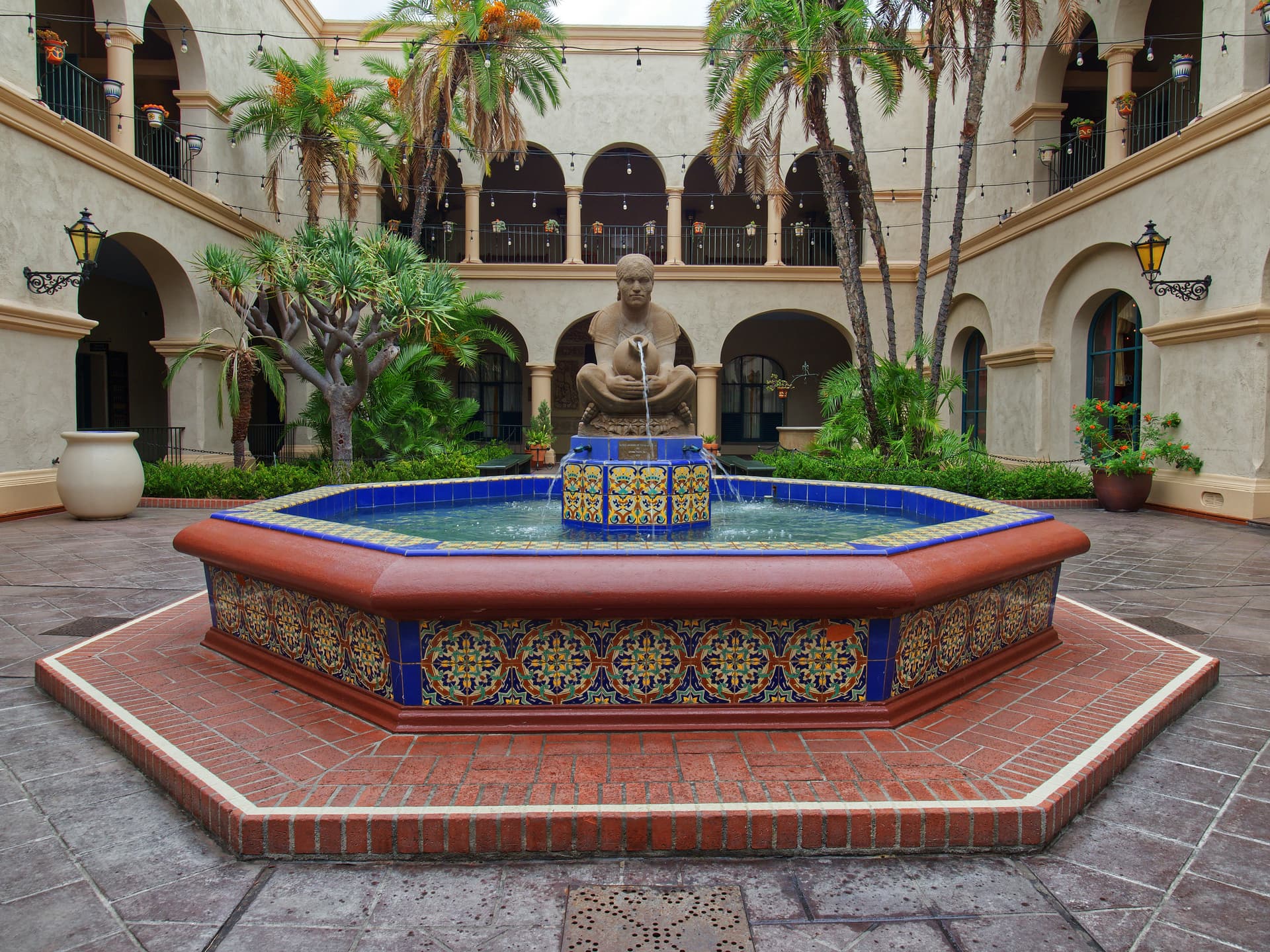
Water Features in the Mediterranean Garden: Fountains, Reflecting Pools, and What Actually Works
The sound of water is the first thing a Damascene, Andalusian, or Moorish garden gives you. Three thousand years of engineering distilled into four classical forms — and why every estate we touch ends up with one.
 Hardscape
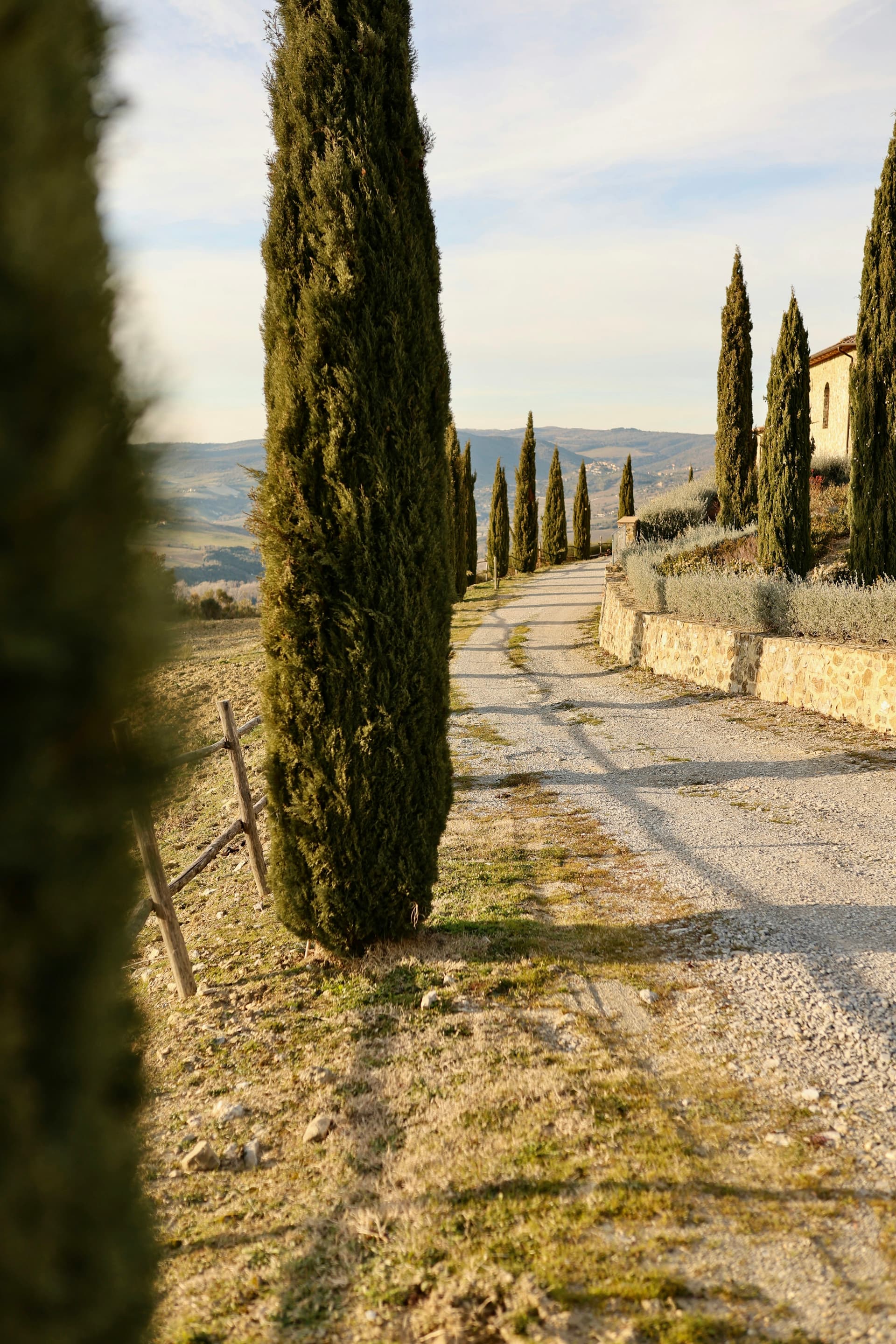
How to Plant a Cypress Hedge That Will Still Be Perfect in Twenty Years
A cypress hedge is a long conversation between a gardener and time. Almost every owner tries to shortcut it — and the hedge dies unevenly ten years later. Nine decisions that determine whether it stands for a generation.
 Hardscape
Garden Lighting That Does Not Scream 'Hotel Lobby': A Villa Design Guide
A villa garden is used at night more than during the day, for six months of the year. Bad lighting turns it into a forecourt. Good lighting makes it a theatre. Here is how the atelier handles it.
Editorial & digital direction
Written, designed, and built by MHD ZUHIR MADAMANI · Istanbul