Garden Lighting That Does Not Scream 'Hotel Lobby': A Villa Design Guide
A villa garden is used at night more than during the day, for six months of the year. Bad lighting turns it into a forecourt. Good lighting makes it a theatre. Here is how the atelier handles it.

Photo: Unsplash
Having this problem in your own garden?
Get a free site visitSix months of the year, a villa garden in our climate is used more in the evening than during the day. Dinner on the terrace, drinks by the pool, a walk through the garden at 10 pm. This is when the garden has to work hardest.
And this is the moment where most villa gardens fall apart. The lighting is wrong. Too bright, too cold, too evenly distributed, aimed from the wrong angles. The result is a garden that reads like a hotel forecourt — functional, corporate, lifeless.
A garden that reads as private, intimate, theatrical requires a specific approach to lighting. The physics is not hard. The taste is. Here is how we approach garden lighting on villa commissions at NAS.
The three lighting mistakes every bad garden makes
Mistake 1: too cold. Garden lights at 4000K or higher (anything labelled "daylight" or "cool white") register as industrial and institutional. They wash out green foliage, make stone look grey, and push the garden visually toward "parking garage" rather than "living space."
For villa gardens, 2700K is the upper limit and 2200 to 2500K is the sweet spot. These warmer temperatures read as candlelight and firelight — colours the human eye associates with safety, intimacy, and relaxation.
Mistake 2: too much light. A garden does not need to be bright. A garden needs selective pools of light, with dark between them. The contrast creates depth, mystery, atmosphere. Flooding the whole garden with uniform brightness destroys all of that.
The rule we work with: illuminate 20 to 30 percent of the visible surface. The rest stays dark or near-dark. The eye finds the lit moments and the unlit space becomes more beautiful, not less.
Mistake 3: light aimed at the viewer, not at the feature. Up-lights at 45° pointing toward where people sit are blinding and kill the garden. Spotlights on a path that shine up into the eyes make walking unpleasant. Pool lights that leak across the garden surface destroy nearby foliage reading.
Every light must be aimed at what it is illuminating, shielded from the viewer. This sounds obvious; we see it ignored constantly.
The six lighting moves that actually work
1. Moonlighting from tree canopies
The single most beautiful garden lighting technique. A fixture is mounted high in a mature tree (6 to 10 metres), pointing straight down through the foliage. The light filters through leaves and branches, creating dappled patterns on the ground below that mimic actual moonlight.
Technical specs: LED downlights at 500 to 1200 lumens, 2700K, mounted to the trunk with non-girdling tree straps. One or two per mature olive, magnolia, or pine. The effect is indescribable in photographs and transformative in person.
2. Uplighting to sculpt, not to flood
Trees with sculptural form (olives, cypress, palm) benefit from uplighting that reveals the trunk structure rather than flooding the canopy. The fixture sits 1 to 2 metres from the trunk, aimed at 15 to 25° off vertical (not straight up), with a glare shield.
The result: the trunk is lit like a piece of sculpture, the canopy stays softly shadowed, the tree reads three-dimensional.
For multi-stem olives and heritage trees, two uplights at different angles catch the structure from multiple sides. One light flattens; two reveals.
3. Wash-lighting on walls and hedges
Long vertical surfaces — walls, tall hedges, pergola supports — take light beautifully when washed with a low-output, wide-beam fixture at the base. The effect creates a luminous background that the planting sits against.
Use this for limestone walls, tadelakt, render, mature hedging. Not for stone that reads too warmly lit (travertine often looks orange under uplight and awful).
4. Path lighting at knee height, never eye level
Path lights should guide the foot, not the eye. Low mushroom-style or bollard fixtures at 20 to 40 cm height, spaced 2 to 3 metres apart, cast light down onto the path surface without glare.
Never tall bollard lights that you see in suburban new-builds. Those flatten all the atmospheric work of the other fixtures.
5. Feature lighting on water
A fountain, a reflecting pool, or a water feature takes one or two precisely aimed fixtures at it. Often submerged, sometimes angled from a nearby plant bed. The water moves; the light reveals the movement. This is the most theatrical moment in a garden and is worth getting right.
Never use lit-from-within pool lighting for evening atmosphere. Pool lights for safety at night are fine; treating the pool as a feature requires additional exterior lighting.
6. Candles and firelight as the completion
After all the electric lighting is done, candles and firelight fill in the rest. A fire pit, a hurricane lamp on a dining table, a row of candles along a low wall. These read differently from electric light and add warmth that LED cannot fully replicate.
We specify candle placement as part of every villa lighting scheme. The garden without them reads as technical; with them it reads as lived.
◆ NAS Landscape
Not sure if this applies to your garden?
The four causes above look alike from a distance but need different treatments. A 30-minute site visit from our specialist gives you the right answer — no guessing.
Request a free diagnosisWhat to avoid absolutely
- Cool white LEDs (anything above 3000K). Always.
- "Solar" path lights in villa contexts. Cheap, die within two years, look pound-shop.
- Uplights with no glare shield aimed toward seating or entertainment areas.
- Coloured lights (blue, green, red). Almost always read as amateur.
- Motion-activated floodlights anywhere in the main garden. Keep these for service zones only.
- Pool lights that leak upward into planting. Ruins the foliage reading at night.
- "Festoon" string lights throughout the garden. They have a place over a defined terrace; draped everywhere they read as budget venue.
- Strip lighting under pool copings or pathway edges. Trend-driven, dates the garden to its decade.
The technical infrastructure
Behind every well-lit villa garden is competent electrical infrastructure:
Low-voltage 12V or 24V system: Safer, easier to change, no need for certified electrician to adjust fixtures. DC-driven LEDs. Use this by default.
Zones on dimmable controllers: At least three zones — path/safety, feature uplighting, terrace/dining. Dimmable so each can be adjusted for mood and occasion.
Waterproofing at IP67 minimum for any fixture near water or exposed to irrigation splash. Lower ratings fail within seasons.
Cable buried at 40 cm minimum, in conduit, to survive future garden work without severing.
Smart control optional, not required. A simple astronomical timer with three dimmable zones on physical switches will outlive any smart system. Only specify app-controlled lighting if the client specifically asks for it and understands it needs updates.
The one-night test
Every villa lighting design we do ends with a commissioning night: the client walks the garden at 9 pm with us, after dark, after the fixtures are in. We adjust every aim, every beam width, every dimmer level in real time. A fixture that looks right at the design stage often wants to be 15 degrees different on site. This night of adjustment is the difference between good lighting and great lighting.
Expect this to take three to five hours. It is tedious. It is also what separates professional lighting from Amazon-bought fixtures assembled in an afternoon.
What villa lighting costs
Honest ranges from recent NAS commissions:
- Small villa garden (200 to 400 m², 15 to 25 fixtures): €5,000 to €12,000 installed
- Medium villa (400 to 800 m², 25 to 50 fixtures): €12,000 to €30,000 installed
- Estate-scale (1,000+ m², 50+ fixtures, multi-zone, smart control): €30,000 to €80,000+
These numbers include the fixtures, cable, transformers, controllers, installation, and the commissioning night. They do not include major trenching for new conduit runs, which is added when the garden is being re-landscaped simultaneously.
Skimping on lighting is the single most common place where villa garden budgets get cut. The garden then works beautifully in daylight and fails every evening. This is the wrong economy — the garden is used more at night than during the day. Budget for the lighting as carefully as for the planting.
The atelier's role
NAS designs lighting as part of every villa commission, with specialist partners where the scale requires it. The goal is not fixture catalogues and effect lists — it is a garden that reads beautifully at 9 pm in July and 5 pm in January, intimately for two people and gracefully for a party of fifty.
If you are planning a villa garden, or your existing garden goes quiet at night, send us photos of the space at dusk and, if you have it, a rough garden plan. WhatsApp +90 535 422 5227. A real landscape architect will propose a lighting approach the same working day.
NAS Landscape integrates lighting into villa, estate, and public realm gardens across seven countries. Established 1965, Damascus. Written by MHD ZUHIR MADAMANI, Istanbul.
◆ A real diagnosis, not a guess
Send a photo. Get a plan.
Our specialists handle cases like yours across Istanbul and the wider region. Share a photo on WhatsApp or book a free site visit — whichever is faster for you.
60+ years · 7 countries · 500+ projects · third-generation atelier
◆ More field notes
 Hardscape
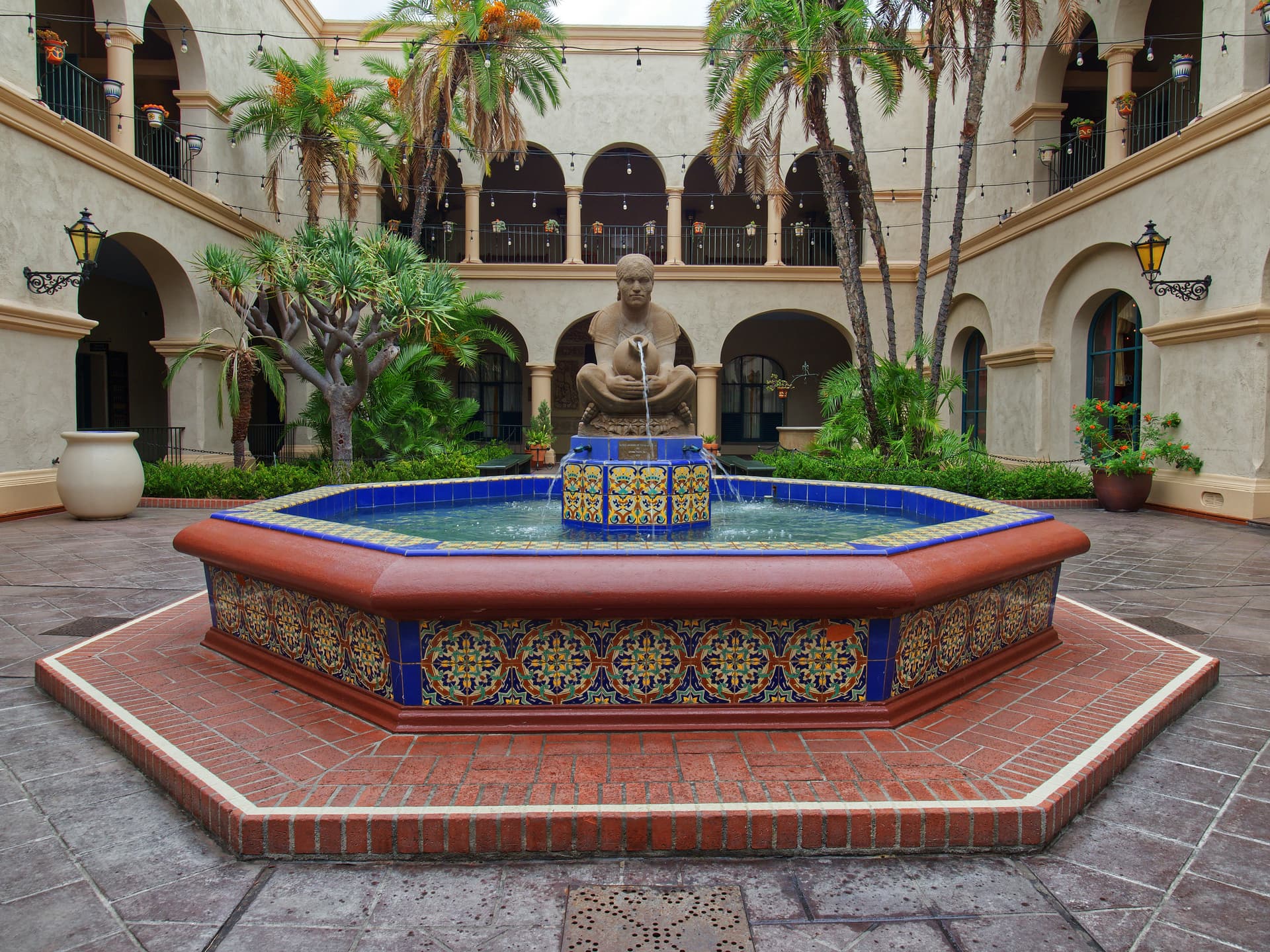
Water Features in the Mediterranean Garden: Fountains, Reflecting Pools, and What Actually Works
The sound of water is the first thing a Damascene, Andalusian, or Moorish garden gives you. Three thousand years of engineering distilled into four classical forms — and why every estate we touch ends up with one.
 Hardscape
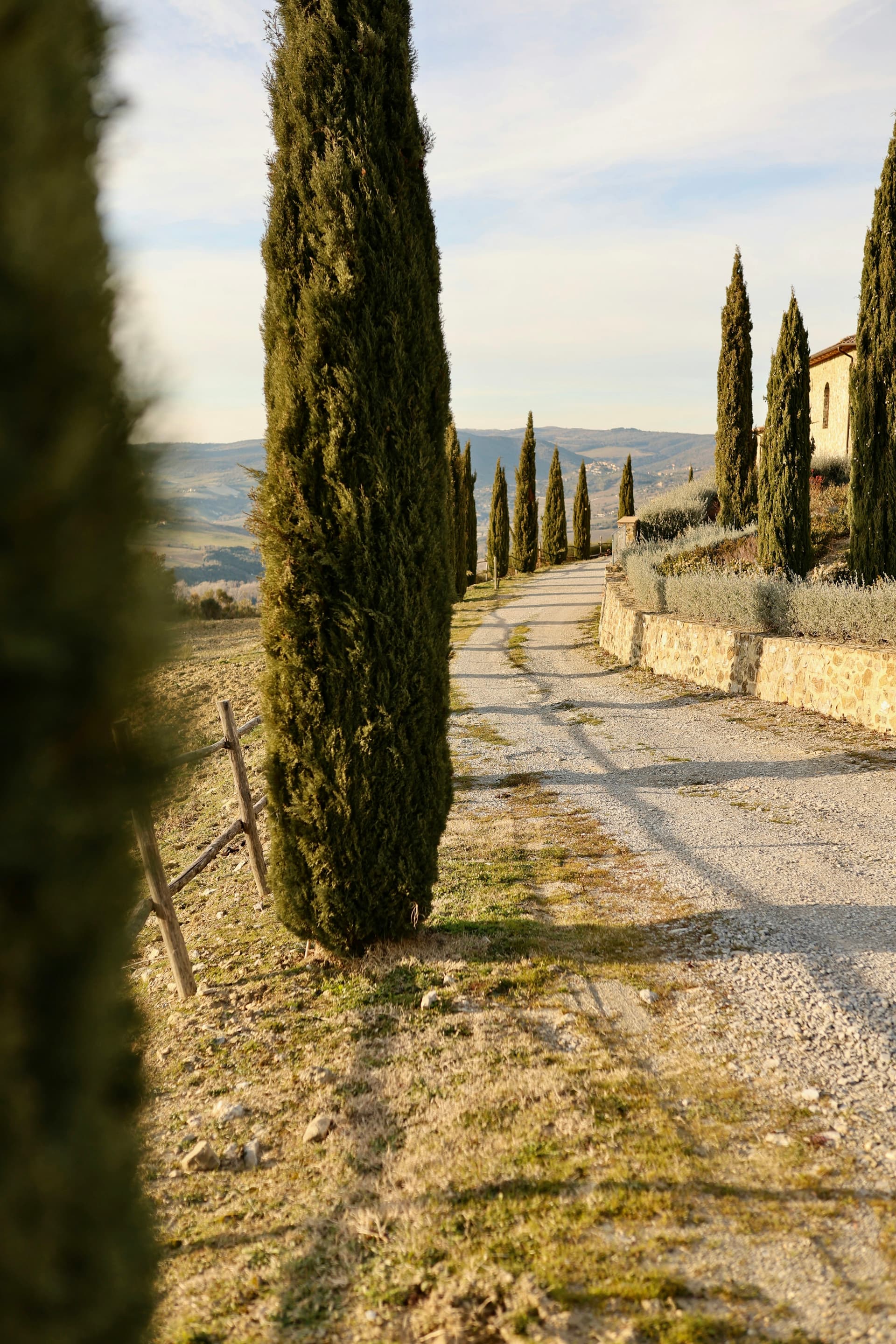
How to Plant a Cypress Hedge That Will Still Be Perfect in Twenty Years
A cypress hedge is a long conversation between a gardener and time. Almost every owner tries to shortcut it — and the hedge dies unevenly ten years later. Nine decisions that determine whether it stands for a generation.
 Hardscape
Choosing Stone for a Mediterranean Garden: Travertine, Limestone, or Slate?
The stone you choose defines the garden for forty years. Here is how the atelier picks — by climate, use, and how the stone ages.
Editorial & digital direction
Written, designed, and built by MHD ZUHIR MADAMANI · Istanbul