Lavender That Doesn't Die: Why Most Mediterranean Plantings Fail in Year Two
Almost every failed lavender is killed the same way: with kindness. Rich soil, regular water, spring care — and two seasons later the plant is woody, brown, and gone. Lavender wants the opposite.
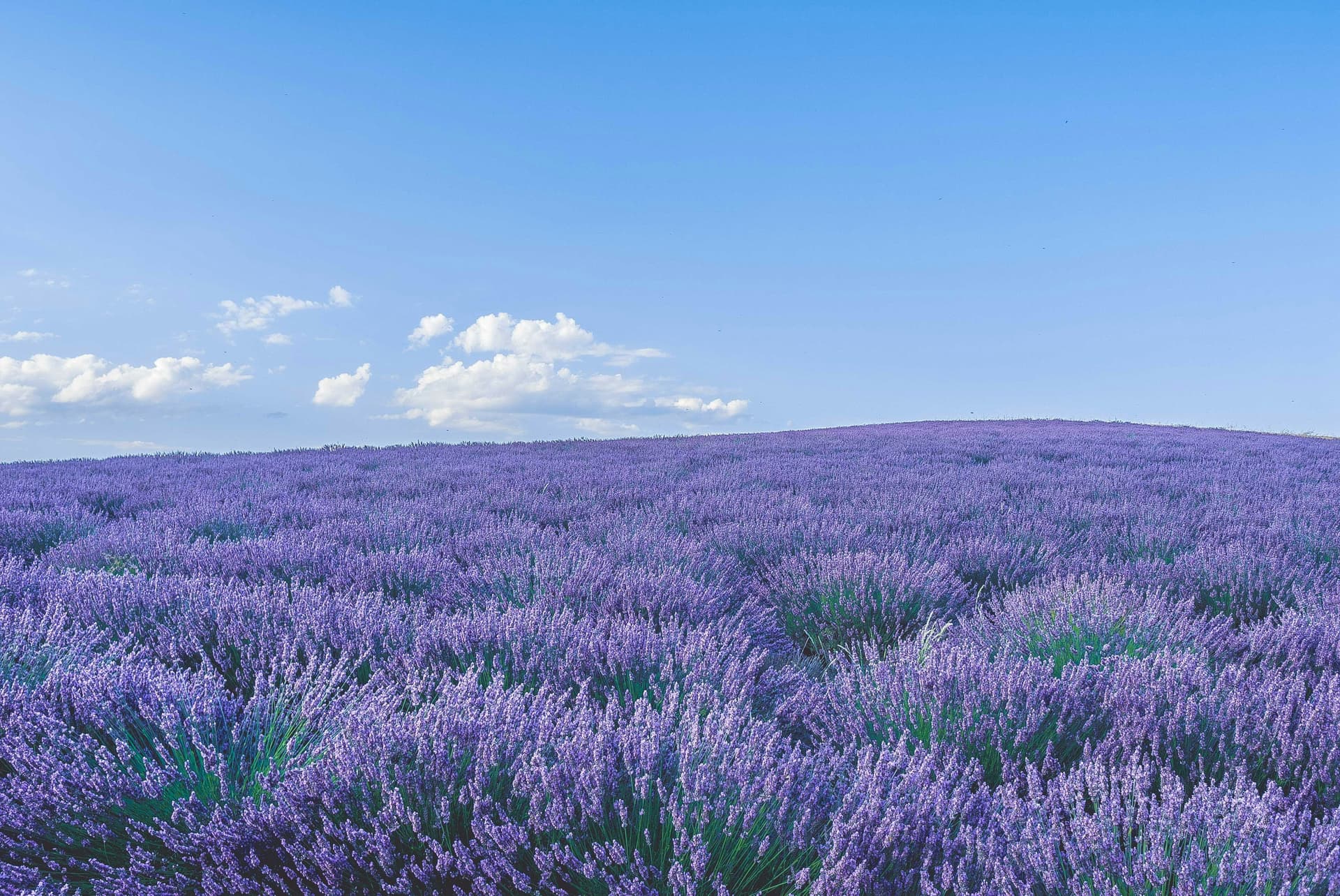
Photo: Unsplash
Having this problem in your own garden?
Get a free site visitA dying lavender is a small Mediterranean tragedy. You bought it at the nursery in March, planted it, watered it faithfully, admired its silvery form and the bees working it in May. By September the plant is woody at the base, half-brown, and sulking. By the following June you are digging it out and reading articles called "why is my lavender dying."
Almost every failed lavender in a Mediterranean or Levantine villa garden is killed the same way: with kindness. The gardener treats it like a lawn shrub — rich soil, regular water, a spring haircut — and the plant does what lavender does when it is pampered. It rots at the crown, turns woody at the base, and gives up within two seasons.
Lavender is a mountain plant. It grows on dry, rocky hillsides in southern France, the Balkans, and the slopes of the Levant. It wants almost exactly the opposite of what a caring gardener gives it. This is the field note for the villa owner who has killed one, two, or three lavender plantings, and wants the fourth one to last fifteen years — which, done right, it absolutely will.
Choose the right species — and the right cultivar
Not all lavender is equal, and the wrong species in the wrong place is already half-dead on day one.
For Istanbul and the Levantine highlands (cold winters, warm summers):
- Lavandula angustifolia (English lavender) — the classical narrow-leaf lavender. Cold-hardy to -20 °C, compact, fragrance is the finest of all lavenders. Cultivars 'Hidcote', 'Munstead', and 'Grosso' all work.
- Lavandula × intermedia (lavandin) — the commercial oil lavender of Provence. Bigger, coarser, showier bloom. Cold-hardy, suits slopes and mass plantings. 'Provence' and 'Grosso' are the reliable cultivars.
For the Aegean and Mediterranean coast (mild winters, hot dry summers):
- Lavandula stoechas (Spanish or French lavender) — distinctive butterfly-like bracts at the top of each flower spike. Bloom starts in April, a month earlier than angustifolia. Cold-tolerant only to about -5 °C. Perfect for Bodrum, Göcek, and coastal Aegean villas.
- Lavandula dentata (French lavender, toothed lavender) — grey-green toothed leaves, fragrant, blooms almost year-round in mild climates. Minimum cold tolerance — zones 8 and up.
For the Gulf and inland Levant (hot dry summers, mild winters):
- Lavandula dentata is the default. L. angustifolia can work in Jeddah in cool microclimates with excellent drainage, but L. dentata is the safer choice.
Buying "lavender" generically from a supermarket nursery without knowing the species is a common root cause of failure — the plant may be wrong for your climate from the start.
The three non-negotiable site requirements
Lavender's needs are famously specific. Get these three right and it thrives for a decade or more. Get any one of them wrong and the plant will decline quickly.
1. Full sun — no compromises
Minimum six hours of direct, unobstructed summer sun. No partial shade. No "bright indirect light". Lavender grown with less than six hours of full sun is sparse, leggy, fails to bloom well, and becomes susceptible to fungal disease.
The atelier's rule: if you cannot give lavender six hours of full sun, plant a different silvery-foliage Mediterranean — artemisia, cineraria, or Stachys byzantina instead.
2. Sharp drainage — the most-failed requirement
Lavender roots cannot sit in wet soil for more than a day or two without the crown rotting. Heavy clay, a compacted lawn soil, a drip irrigation zone designed for thirstier plants — these are the most common executioners.
Our planting protocol:
- Dig a hole twice the pot width
- Test drainage: fill the hole with water. If it stands past four hours, the site fails for lavender as-is
- For heavy clay: excavate 40 cm deeper, backfill the bottom 20 cm with 50/50 coarse grit and free-draining topsoil. Build the planting mound 15 cm above the surrounding grade so the crown is always drying, not sitting wet
- Top-dress with 2-3 cm of fine gravel or decomposed granite — specifically not organic mulch, which retains moisture against the crown
- Never plant lavender in an irrigation zone with thirstier plants
3. Lean soil — not rich, not amended heavily
This is the counterintuitive part that kills lavender planted by experienced gardeners. Rich compost-amended soil produces soft, fast growth on lavender that rots in the first wet winter. Thin, rocky, slightly alkaline soil produces the compact, woody, essential-oil-packed plant that lives for fifteen years.
What to add at planting time:
- A handful of coarse grit mixed into the backfill
- A single handful of well-rotted organic matter — no more
What not to add:
- Heavy compost
- Manure
- Any synthetic fertiliser
- A thick layer of organic mulch
If the soil is acidic, add a handful of garden lime at planting time. Lavender wants slightly alkaline (pH 7.0-8.0).
◆ NAS Landscape
Not sure if this applies to your garden?
The four causes above look alike from a distance but need different treatments. A 30-minute site visit from our specialist gives you the right answer — no guessing.
Request a free diagnosisThe water — less than you think, and less than it tells you
A newly planted lavender needs weekly watering through its first summer to establish. After that, it wants almost nothing. An established L. angustifolia in Istanbul will die from too much water, not too little.
Our post-establishment watering:
- Year one: Once a week in summer, never in winter
- Year two: Twice a month in summer, never in winter
- Year three and beyond: Only during true drought (one or two waterings per summer). Winter rain is all it needs otherwise.
Lavender also gives you diagnostic cues. Slightly wilted foliage at mid-afternoon in August is fine — it recovers overnight and is growing as the plant should. A plant that looks completely wilted by 10 a.m. is genuinely thirsty.
Never, ever water from overhead. A sprinkler spray onto lavender foliage in the evening is an invitation to fungal disease by morning. Drip only, to the root zone.
The pruning — the single most neglected care step
An unpruned lavender gets woody at the base, sparse at the top, and after four to five years looks like a stick with leaves at the tip. A properly pruned lavender stays compact and dense for fifteen years.
The annual protocol:
- After flowering (late August in Istanbul, July in the Gulf): hard-prune all spent flower stalks down to just above the new green growth at the base. Take at least one-third of the plant's height off. This looks aggressive. Do it anyway.
- Early spring (March): light tidy-up of any winter-damaged stems. Never cut into the woody, leafless base — lavender does not regenerate from old wood. Always leave some green on the stem.
Skipping the August prune for two years in a row is the beginning of the end for most lavender plantings.
The mass planting — where lavender really works
A single lavender plant in a mixed border is fine. A mass planting of 30 to 200 lavenders is where the plant becomes an architectural and sensory event.
For villa slopes and informal garden edges:
- Lavandula × intermedia 'Grosso' at 60 cm on centre, in bold rows or drifts
- Plant in October or March, never summer
- The bloom and bee-life in May-July is the reason to do this
For formal parterres and low hedges:
- Lavandula angustifolia 'Hidcote' at 35 cm on centre
- Trim lightly twice a year to maintain a low compact form
- Classical Provence-style planting, also works in Damascene courtyards
For pot culture on terraces:
- Terracotta pots 40 cm diameter minimum
- L. angustifolia 'Munstead' (compact) or L. dentata (evergreen in the Gulf)
- Maximum sun exposure, lean soil mix (one-third coarse sand mixed with potting mix), minimal watering
When lavender actually has no place
There are villa sites where lavender simply will not thrive, and forcing it is the path to the three-year failure cycle. Those sites:
- Gardens with less than six hours of direct summer sun
- Sites with heavy clay or perennially wet soil
- Gardens on irrigation schedules that cannot be zoned
- Rooftop terraces with no drainage management
- Areas within 2 metres of any lawn sprinkler
In those gardens, plant artemisia, Santolina chamaecyparissus, Perovskia atriplicifolia (Russian sage), or Stachys byzantina for the silvery-Mediterranean look. All three are more forgiving than lavender of imperfect sites.
Where the atelier fits
NAS has specified, sourced, and planted lavender on villa projects across Türkiye, the Levant, and the Gulf for three generations. We plant lavandins on slope plantings, English lavender in formal parterres, and Spanish lavender in Aegean coastal gardens. Most importantly, we plant it correctly — on amended drainage, in the right position, at the right spacing, and we include the first two years of pruning in our maintenance protocol because skipping it produces the same decline every time.
When to call us
Call the atelier when:
- You have killed two or more lavender plantings and want to understand what is failing before trying again
- You are planning a slope planting, a parterre, or a bee-garden feature and want the right species sourced and spaced correctly
- Your lavender hedge has gone woody in year four and you want an assessment of whether it can be rejuvenated or should be replaced
- You want a mass planting of lavender on a Bodrum, Çeşme, or Antalya coastal villa and want the right species for salt air
A mass of lavender in full bloom in June is one of the signature experiences of a Mediterranean garden. It is not complicated to achieve — it just has specific rules. Send a photo of the site and the soil, to WhatsApp +90 535 422 5227 — a real landscape architect will look at it the same working day. No charge for the first read.
NAS Landscape has planted lavender across villa and estate gardens in Türkiye, the Gulf, and the Levant since 1965. Written by MHD ZUHIR MADAMANI, Istanbul.
◆ A real diagnosis, not a guess
Send a photo. Get a plan.
Our specialists handle cases like yours across Istanbul and the wider region. Share a photo on WhatsApp or book a free site visit — whichever is faster for you.
60+ years · 7 countries · 500+ projects · third-generation atelier
◆ More field notes
 Design
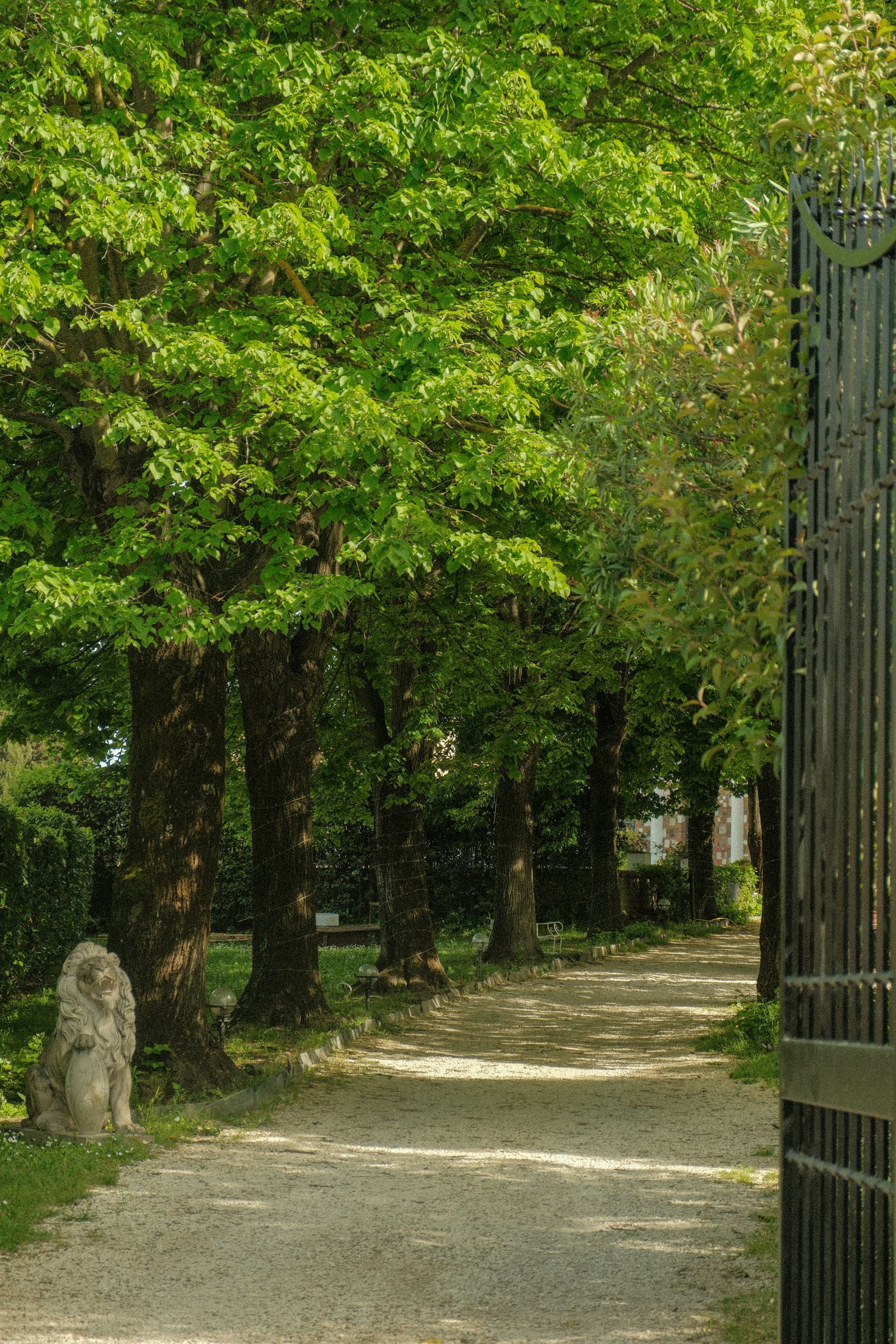
The Villa Entrance: How the First Thirty Metres Decide the Whole Garden
The garden a villa owner spends most of their budget on is rarely the one a visitor remembers. The entrance — the first thirty metres — carries every first impression, and is almost always treated as an afterthought.
 Design
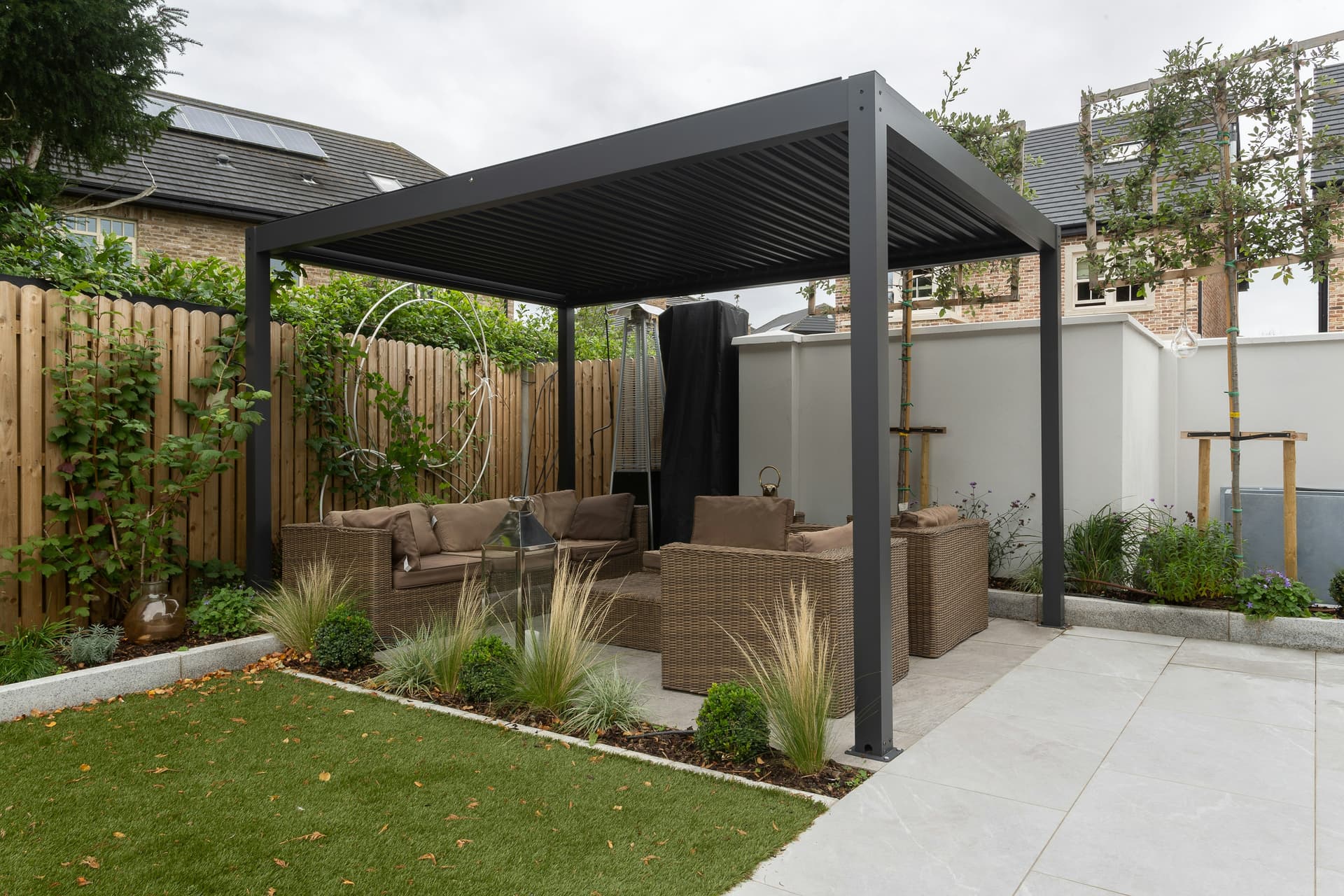
The Quiet Art of Garden Shade: How to Build a Villa Garden You Can Actually Use in August
The most expensive mistake a Mediterranean villa garden can make is to be unusable in August. Shade is a 10 °C climate intervention — the single most important design element — and it should be planned first, not last.
 Design
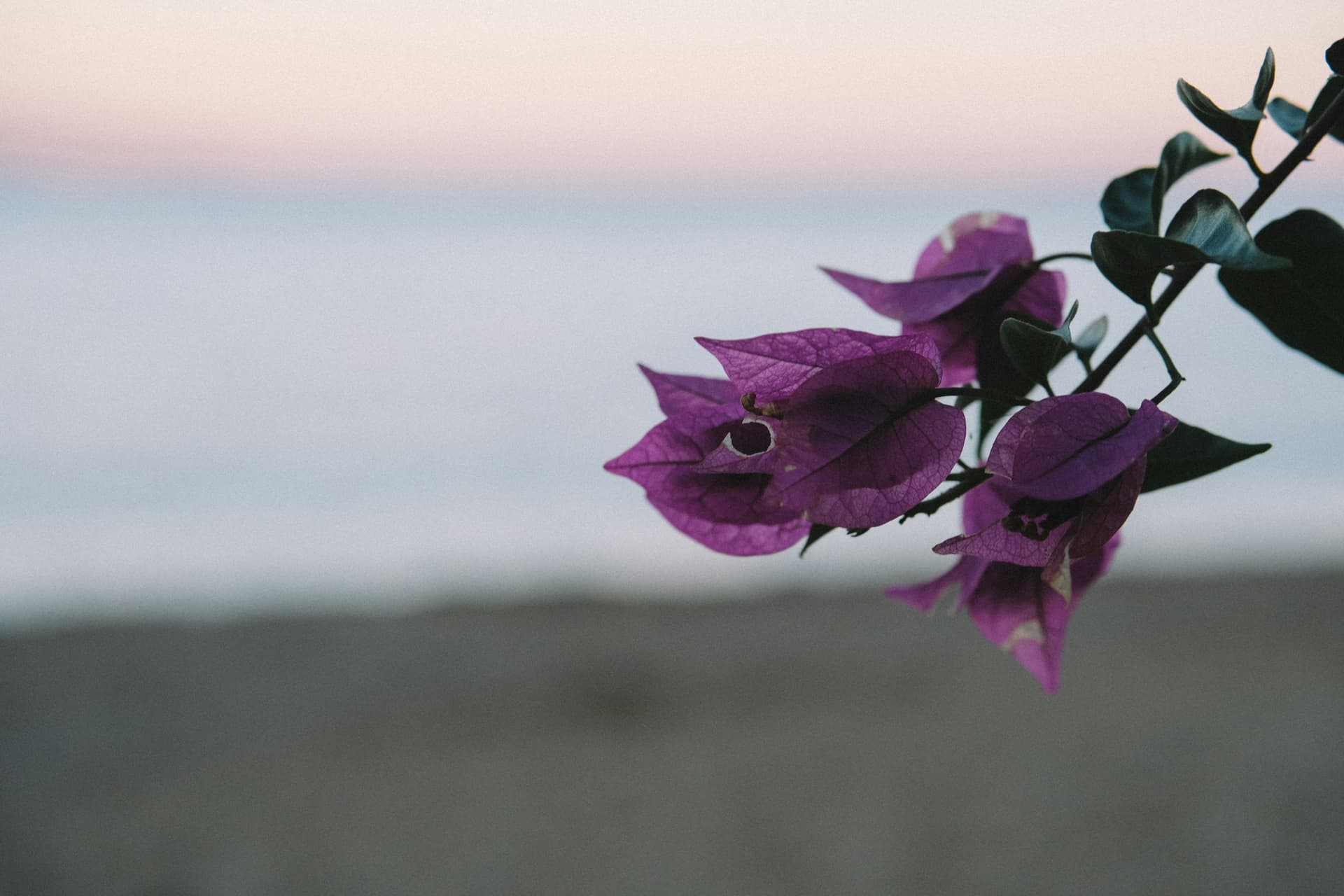
Why Your Bougainvillea Won't Bloom: The Counter-Intuitive Rules for Coaxing the Colour Back
Bougainvillea is a bloom-on-stress plant. Everything you would do for a normal flowering shrub — rich soil, steady water, regular feeding — tells it to stay in leaf. Here is how to do the opposite.
Editorial & digital direction
Written, designed, and built by MHD ZUHIR MADAMANI · Istanbul