Roses Without Blackspot: A Mediterranean-Climate Protocol That Actually Holds
Black spot is the single most mistreated disease on Mediterranean rose borders. Most owners spray, see nothing, and spray harder. Here is what actually works — starting with the water, not the fungicide.
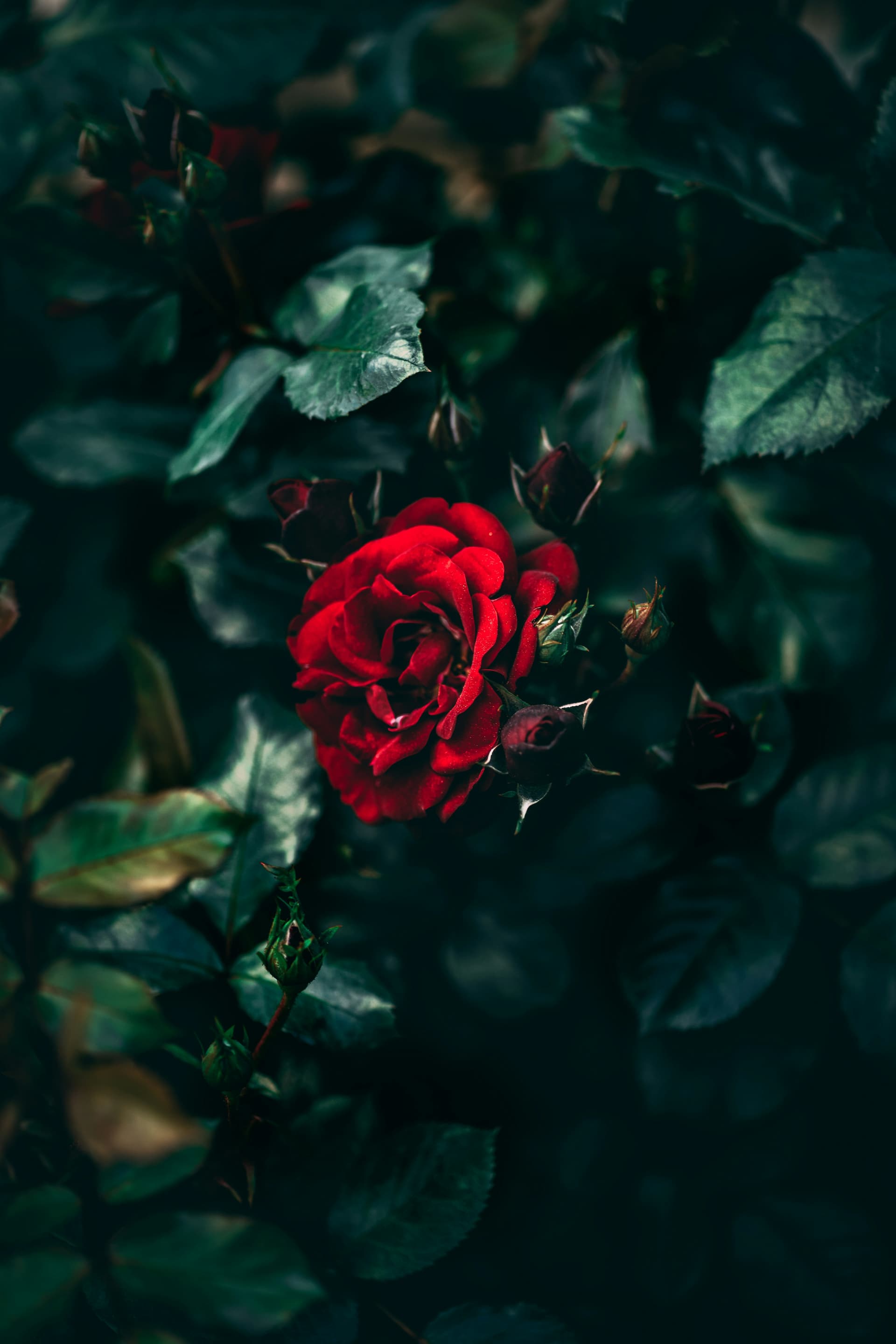
Photo: Unsplash
Having this problem in your own garden?
Get a free site visitRoses in a Mediterranean villa garden are a particular kind of statement. They carry a memory of Damascus courtyards, of Isfahan walled gardens, of every grand terrace from Andalucia to Beirut. When they are covered in black spots and their leaves are yellowing and dropping by midsummer, that statement becomes something else — embarrassment.
Black spot is a specific fungal disease (Diplocarpon rosae), and on the Mediterranean coast it is the single most persistent, most misdiagnosed, and most mistreated garden problem we see on rose borders. Most owners spray, see no improvement, spray harder, and either lose the rose or end up running a chemical regimen that they resent. There is a quieter, more effective way to do this.
This is the protocol we follow on rose borders across villas in Çekmeköy, Damascus courtyards, and Amman estates — tuned for the specific conditions of the Mediterranean and the Levant, not imported wholesale from English garden manuals.
What you are actually looking at
Black spot is easy to identify once you know what to look for:
Diagnostic signs: Dark circular spots, 5 to 12 mm across, with irregular feathered edges (not clean circles). Spots appear only on the upper surface of the leaf, never underneath. Around each spot, the leaf turns yellow. Infected leaves drop early — often the bottom half of a bush is bare while the top is still trying to flower.
The fungus needs seven continuous hours of wet leaf surface to infect. This is why dew-heavy mornings in Istanbul's May and late September, and the humid shoulders of the Levantine year, are the peak risk windows. Above 29 °C the disease stops spreading — pure Mediterranean summer actually protects you.
The first and biggest fix: change the watering, not the spray
Nothing — no fungicide, no organic protocol, no pampering — matters as much as keeping rose leaves dry.
The rule: Water at the root, at dawn, never overhead, never at evening.
Roses planted inside a lawn irrigation zone are the classic setup for black spot. The sprinklers wet the foliage every morning, the leaves stay damp past the seven-hour threshold, and the fungus wins. The fix is simple and not always popular — move the roses out of the sprinkler zone onto their own drip irrigation line, delivering water only to the soil.
In NAS's rose borders across the Gulf and Mediterranean: we specify drip every time. A client who switches from overhead to drip on their existing rose bed usually sees a 70–80% reduction in black spot over one season, with zero chemicals added.
◆ NAS Landscape
Not sure if this applies to your garden?
The four causes above look alike from a distance but need different treatments. A 30-minute site visit from our specialist gives you the right answer — no guessing.
Request a free diagnosisThe second fix: breathing room
Roses that are planted too close together hold humidity between them long after dawn. Airflow is medicine.
Diagnostic check: Can you put a flat hand between two adjacent rose bushes without touching either? If no, they are too close. Standard garden roses need 80 to 100 cm between plants, climbers 150 cm apart, and shrub roses 120 cm.
If your roses are already planted too close, thinning out a third of the canes at the base each winter opens up the centre of each bush, which helps even more than spacing alone.
The third fix: the cleanest housekeeping you have ever done
Black spot overwinters on fallen leaves. A single infected leaf left on the ground in autumn carries enough spores to seed the entire border the following spring.
The protocol:
- Rake up every fallen rose leaf through the growing season, at least weekly during infection periods
- Remove infected leaves still on the bush — hand-pick them, do not shake them
- Never compost rose leaves; bag them and put them out with the rubbish
- Replace the top 3 cm of mulch under rose beds each late winter, which physically buries any leaf debris the rake missed
This one step, done rigorously, is worth more than any fungicide.
When to spray, what to spray, and when to stop
If you have done the three fixes above and the disease pressure is still too high — common in humid coastal Gulf or the Istanbul spring — a targeted spray protocol works. Keep it minimal.
Preventive spray, used only during high-risk conditions (warm wet weather, April-May in Istanbul, dew-heavy autumn in the Gulf):
- A bicarbonate solution (potassium bicarbonate 5 g per litre) with a few drops of horticultural oil as a sticker, sprayed on both sides of the leaves every 10 to 14 days
- Or a sulphur-based product (wettable sulphur 2 g per litre), never applied above 27 °C or it burns foliage
- Or, for organic gardens, a weekly neem oil spray (1% dilution) at dusk, which also controls aphids
If infection is established, a copper-based fungicide (copper hydroxide 2 g per litre) works as a curative, but never use copper more than three times per season — it builds up in the soil and harms earthworms.
What we specifically do not recommend: systemic synthetic fungicides like tebuconazole on a calendar schedule. Fungus resistance builds within two or three seasons and the cure ends up worse than the disease.
Choose resistant varieties and stop fighting
Not every rose is worth defending. Modern disease-resistant rose varieties — bred specifically to shrug off black spot — make the whole protocol easier.
For the Mediterranean and Levant, varieties we plant and stand behind:
- Rosa 'Rose de Resht' — Persian origin, disease-resistant, magnificent fragrance, perfect for Istanbul and the Levant
- Rosa 'Ispahan' — historical Damask, resistant and drought-tolerant once established
- Rosa 'Knock Out' series — American-bred, almost immune to black spot, less historic fragrance but exceptionally reliable
- Old Rosa damascena selections — the foundational damask rose, bred in Syria over centuries for the exact climate
Ripping out a disease-prone modern hybrid and replanting with a historic Damask or resistant shrub rose is cheaper, easier, and more beautiful than three years of spray programmes.
When to call us
The atelier handles rose work across Türkiye and the Levant — from villa borders in Beykoz to restored Damascene courtyards and commercial hotel gardens in Amman. Call us when:
- You have been fighting black spot for two consecutive seasons with no progress
- Your roses are part of a heritage courtyard or renovation and you want them saved, not replaced
- You are planning a new rose border and want disease-resistant varieties sourced and spaced correctly from the start
- A gardener is recommending heavy systemic fungicide and you want a second opinion
A healthy rose border is a garden's best signature. NAS has planted, rescued, and replaced rose borders across three generations of villa and courtyard work. Send a photo to WhatsApp +90 535 422 5227 — a real landscape architect will look at it the same working day. No charge for the first read.
NAS Landscape has designed and maintained rose gardens across Damascus, Istanbul, Amman, and the Gulf since 1965. Written by MHD ZUHIR MADAMANI, Istanbul.
◆ A real diagnosis, not a guess
Send a photo. Get a plan.
Our specialists handle cases like yours across Istanbul and the wider region. Share a photo on WhatsApp or book a free site visit — whichever is faster for you.
60+ years · 7 countries · 500+ projects · third-generation atelier
◆ More field notes
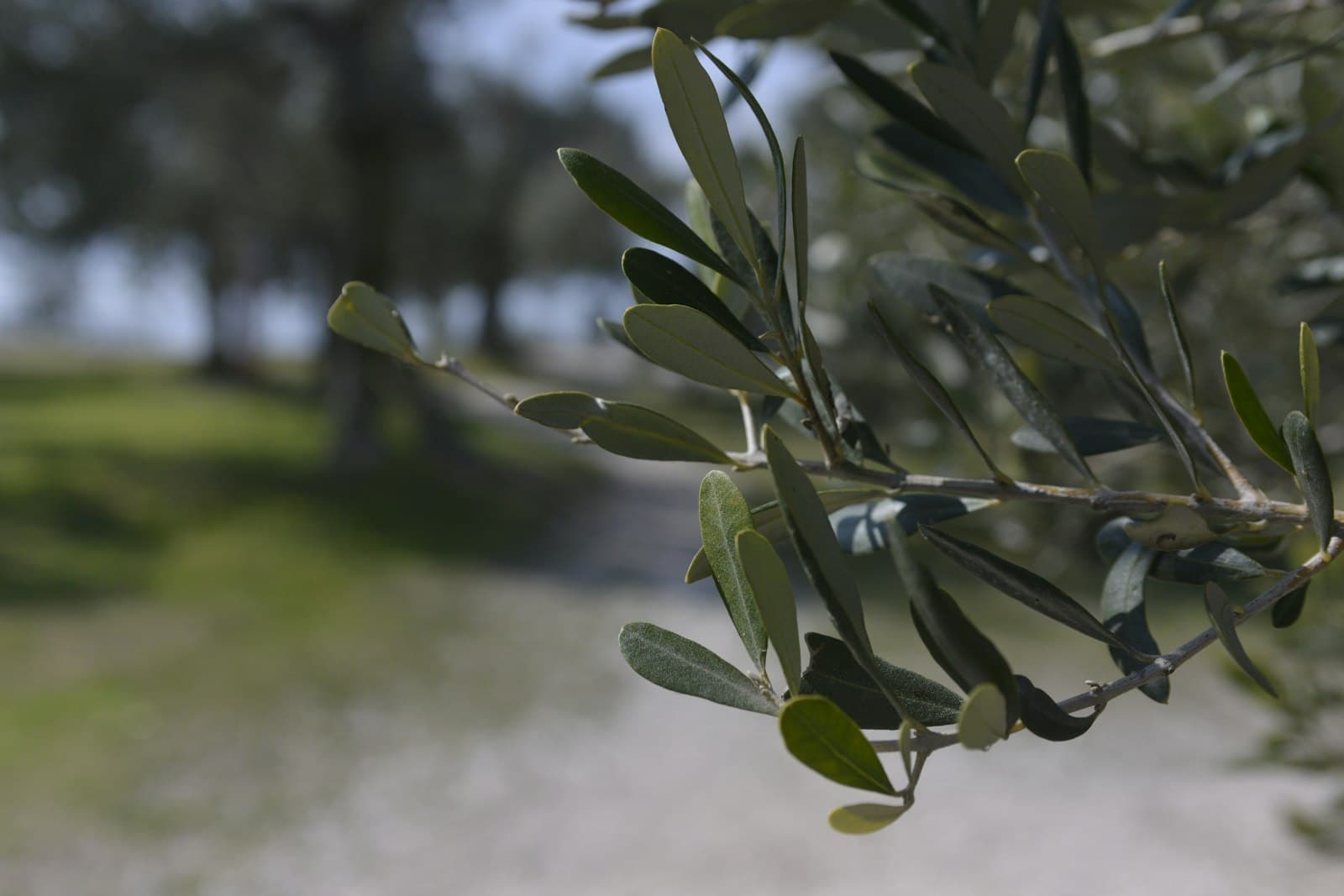 Pests & Disease
Is That a Scale Insect on Your Olive Tree? A 3-Step Check
Small bumps on the bark, sticky leaves, a dusting of black. Here is how to tell a harmless blemish from an infestation that will kill a tree in one season.
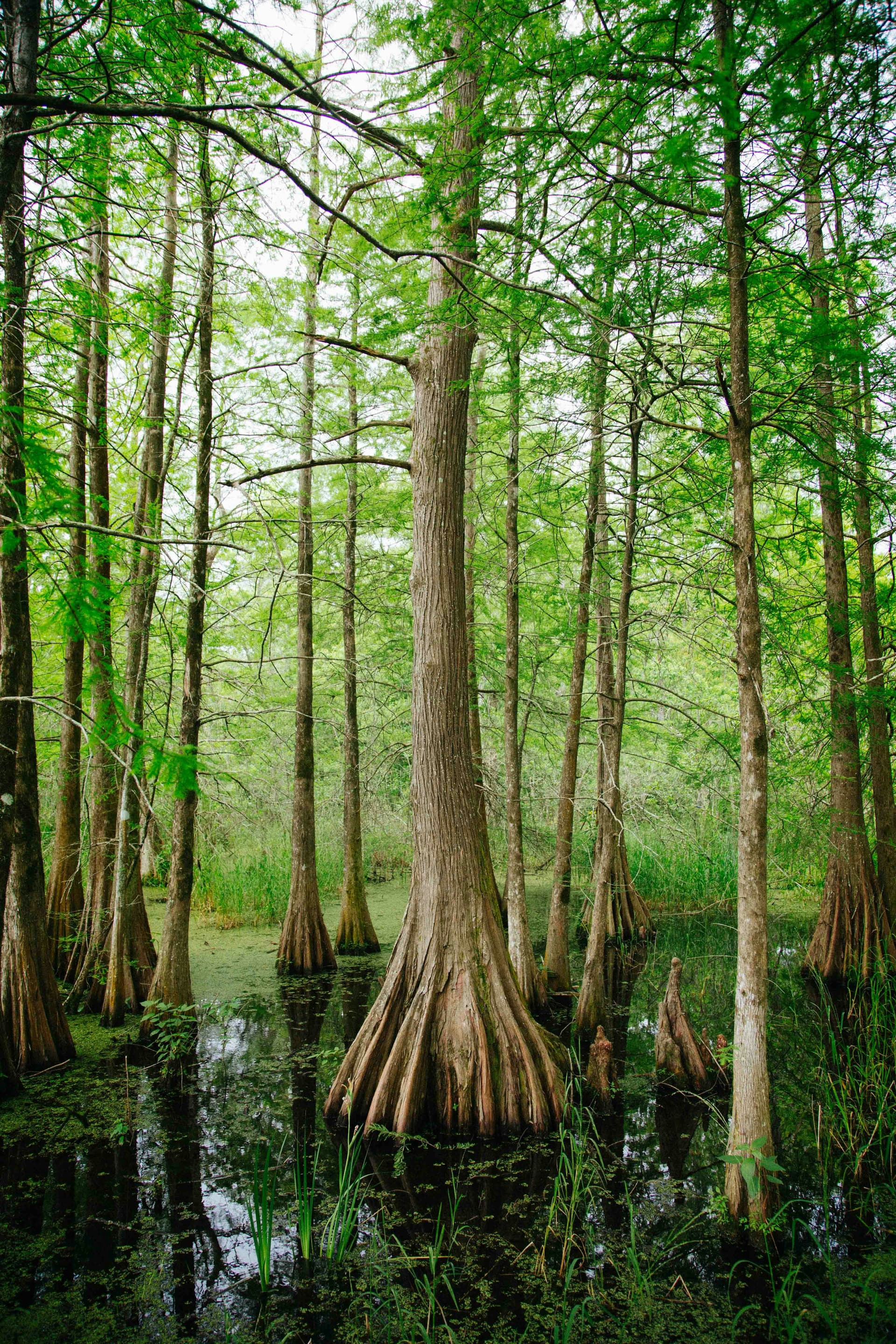 Pests & Disease
Why Is My Italian Cypress Turning Brown? 5 Causes and the Fix for Each
A browning Italian cypress is not one problem — it is five. Most home treatments make the tree worse because the diagnosis is wrong. Here is the order we work through at the atelier.
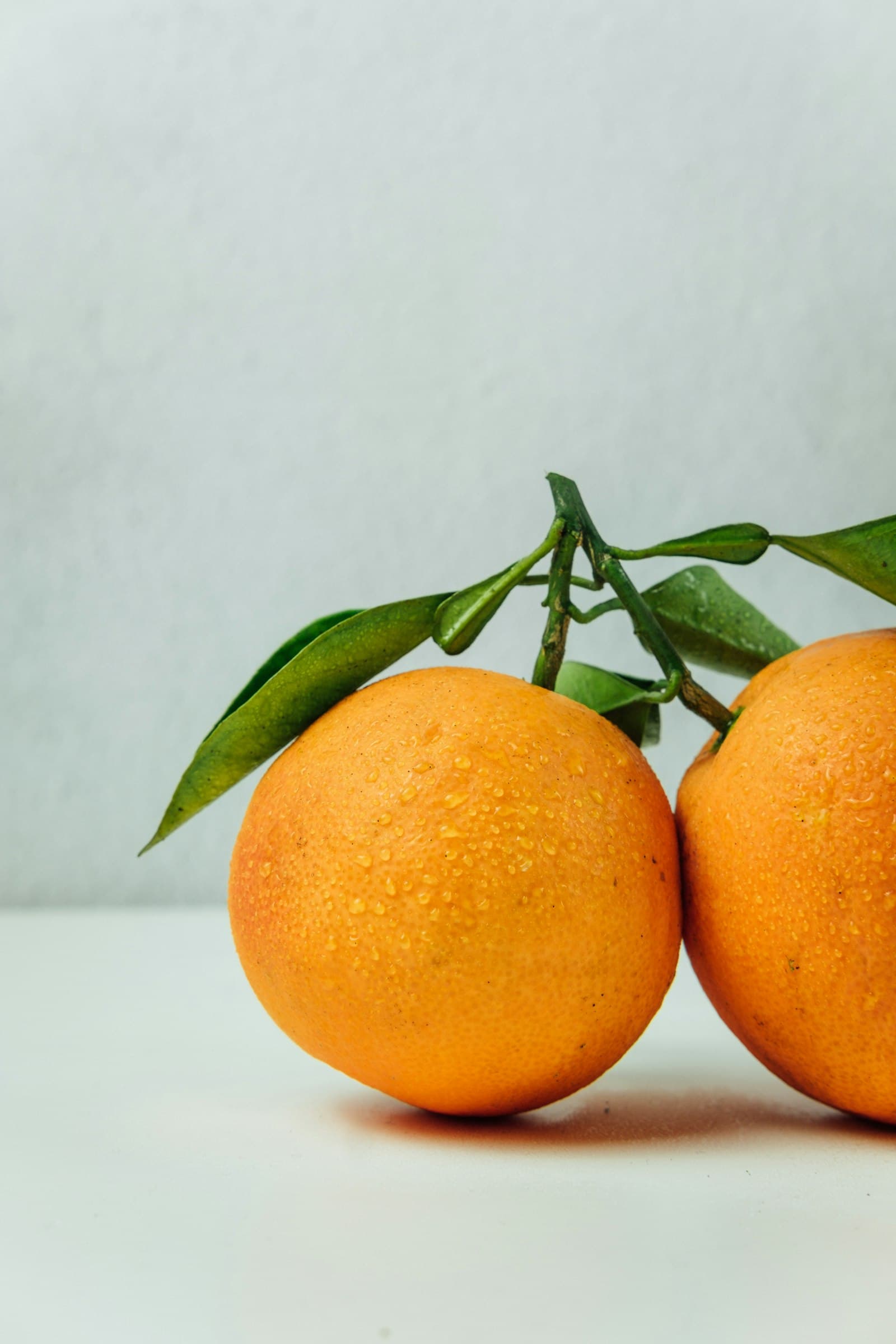 Pests & Disease
White Scale on Citrus: A 7-Day Treatment Protocol That Actually Works
Cottony white tufts on your lemon, orange, or mandarin branches? Here is the exact week-long protocol the atelier uses to clear a severe infestation without killing the tree.
Editorial & digital direction
Written, designed, and built by MHD ZUHIR MADAMANI · Istanbul