What Actually Dies in an Istanbul Winter (and What Only Pretends To)
Every March we get the same panicked calls. Half of it is a misdiagnosis — the plant is not dead, only dormant. Here is what truly does not survive an Istanbul winter, and what does.

Photo: Unsplash
Having this problem in your own garden?
Get a free site visitEvery March, without fail, we get a wave of panicked calls from Istanbul villa clients. "The garden is destroyed. The olive is dead. The lavender is gone. The lemon tree is skeletal."
Almost always the client is wrong. Around 70 percent of what looks dead in March is simply dormant and will leaf out within six weeks. The remaining 30 percent is genuinely lost — and understanding which is which, before you dig up a live tree or walk away from a dead one, is the entire point of this guide.
This is what three generations of NAS field experience in Istanbul gardens has taught us.
What Istanbul winter actually is
Istanbul's winter is misleading. Average lows are 3 to 6 °C, which sounds mild. But the city experiences 2 to 4 "cold events" per winter where temperatures drop below −2 °C for 24 to 72 hours, sometimes with wind and occasional snow. Coastal Bosphorus districts (Sarıyer, Beykoz, Rumeli Hisarı) are warmer by 2 to 3 degrees; inland and higher-elevation districts (Çekmeköy, Kemerburgaz, Göktürk) are colder by the same margin.
This is the climate band where "tender Mediterranean" meets "hardy temperate." It sits on the edge of many plants' tolerance. Some of what survives fine in Bodrum or Antalya marginally fails in Istanbul.
What actually dies (the real losses)
From our field records across Istanbul villa commissions, these are the plants with genuine losses in typical winters:
Citrus (planted out, not in pots):
- Lemon, orange, and mandarin in the ground in Istanbul have a survival rate around 40 to 60 percent. One cold event below −4 °C often kills them outright, or kills the canopy to the graft union.
- The fix: always plant citrus in large containers that can be moved to a sheltered position (against a south-facing wall under eaves, or into a cool greenhouse) for December to February. Never plant an ornamental citrus in open ground in Istanbul unless you are prepared to lose it.
Bougainvillea (planted out):
- Routinely killed to the ground. Often recovers from the root by June if the root zone is mulched heavily, but by then the visual structure is a season behind.
- The fix: container-grown, overwintered indoors. Or accept it as a summer-only plant and use evergreen structure for the winter garden.
Tender tropicals (hibiscus, plumeria, bird of paradise):
- Rarely survive Istanbul in open ground. Conservatory or greenhouse only.
Avocado, papaya, mango:
- These are not Istanbul plants. We see occasional attempts; we see occasional survival in sheltered microclimates. Not worth the investment unless the garden can guarantee frost-free conditions.
Young / first-year plantings of anything tender:
- Even plants that eventually become hardy in Istanbul (rosemary, bay laurel, some roses) lose first-year plantings to winter if unprotected. Root systems need 2 to 3 years to establish enough reserve to survive serious cold.
◆ NAS Landscape
Not sure if this applies to your garden?
The four causes above look alike from a distance but need different treatments. A 30-minute site visit from our specialist gives you the right answer — no guessing.
Request a free diagnosisWhat pretends to die (dormant, not dead)
These cause 70 percent of the March panic calls. They look dead. They are not.
Deciduous trees — everything, all of them:
- Maple, ash, walnut, fruit trees, plane tree, magnolia (deciduous species), wisteria, crape myrtle. Bare branches from December to April is normal. Do not cut them down in February because they "did not make it."
Herbaceous perennials — most of them:
- Echinacea, daylilies, hostas, peonies, most ornamental grasses, most perennial salvias. They die back to the ground and regrow from the crown in spring. Cutting them to 10 cm in autumn and waiting is correct.
Lavender, rosemary, sage:
- Look scruffy and grey in February. Some tip-die-back is normal. Do not cut back hard until you see active new growth. Then prune.
Olive trees:
- May drop a significant portion of leaves in a cold winter. The tree is fine. Do not panic. New leaf emerges in April to May. Never cut an olive for "cold damage" before June.
Hydrangea (mophead and lacecap):
- The canes look dead through winter. Many buds are actually fine if you scratch the bark. Cut only dead wood (brittle, brown throughout) in March.
Large established perennials in beds:
- Agapanthus, kniphofia, crocosmia — foliage dies back in cold winters. Mulch heavily, wait.
The winter-safe plant palette
For clients planning a garden that looks good in every month — including January and February — this is the palette we work with on Istanbul commissions:
Evergreen trees:
- Olive (Olea europaea), cypress (Cupressus sempervirens), cedar of Lebanon (Cedrus libani), holm oak (Quercus ilex), strawberry tree (Arbutus unedo)
Evergreen shrubs:
- Bay laurel (Laurus nobilis), myrtle (Myrtus communis), Viburnum tinus, Photinia, Prunus lusitanica, Japanese aucuba, box (Buxus sempervirens)
Evergreen structure at ground level:
- Euonymus japonicus, Lonicera pileata, Pachysandra terminalis, ivy (Hedera helix), Sarcococca confusa (winter scent)
Winter-interesting deciduous:
- Red-stemmed dogwood (Cornus alba 'Sibirica'), witch hazel (Hamamelis), winter jasmine (Jasminum nudiflorum), Japanese apricot (Prunus mume)
Winter-flowering:
- Helleborus (Christmas rose, Lenten rose), Viburnum tinus, Mahonia, winter-flowering honeysuckle (Lonicera fragrantissima)
Winter protection, what works and what doesn't
Works:
- Heavy organic mulch (8 to 10 cm) around the root zone of borderline-hardy plants. The roots are usually what survives; protect them and the plant recovers even if the top dies back.
- Burlap wraps on young evergreens exposed to cold wind. The issue with cold wind is desiccation (leaves drying out faster than roots can replace moisture in frozen ground), not the cold itself.
- Moving containers against a south-facing wall or into a garage.
- Planting tender specimens where a wall or evergreen windbreak blocks cold northerlies.
Doesn't work:
- Plastic sheeting. Traps moisture, promotes rot, the plant ends up worse.
- "Anti-freeze" sprays. Minimal effect, rarely worth the money.
- Covering with blankets during the day. Without sun access the plant stresses more than from the cold. Covers should be removed when the temperature rises above freezing.
When you do lose a plant
In a bad winter you will lose some things. This is normal. The approach:
- Wait until April or May before declaring anything dead. Give it a full chance to leaf out.
- Scratch the bark on main stems and branches. Green underneath = alive. Brown throughout = dead.
- Cut back progressively — start with the tips and work down until you find live wood.
- Replace in autumn, not spring. Autumn-planted trees and shrubs establish deeper roots through winter rain and are more drought-resistant the following summer.
The atelier's approach
On our Istanbul villa commissions, we design for the winter reality, not against it. The garden has evergreen bones that carry it through December to February; tender specimens are contained or sited against protection; the overall composition is beautiful in every month.
If your garden is losing plants every winter, the problem is rarely the winter — it is the planting choices. Send us photos of what is failing, the location of your villa, and your expectations, on WhatsApp +90 535 422 5227. A real landscape architect will propose a winter-robust plan the same working day. No charge for the first read.
NAS Landscape designs year-round villa gardens across Istanbul, the Turkish coast, and the interior. Established 1965, Damascus. Written by MHD ZUHIR MADAMANI, Istanbul.
◆ A real diagnosis, not a guess
Send a photo. Get a plan.
Our specialists handle cases like yours across Istanbul and the wider region. Share a photo on WhatsApp or book a free site visit — whichever is faster for you.
60+ years · 7 countries · 500+ projects · third-generation atelier
◆ More field notes
 Seasonal
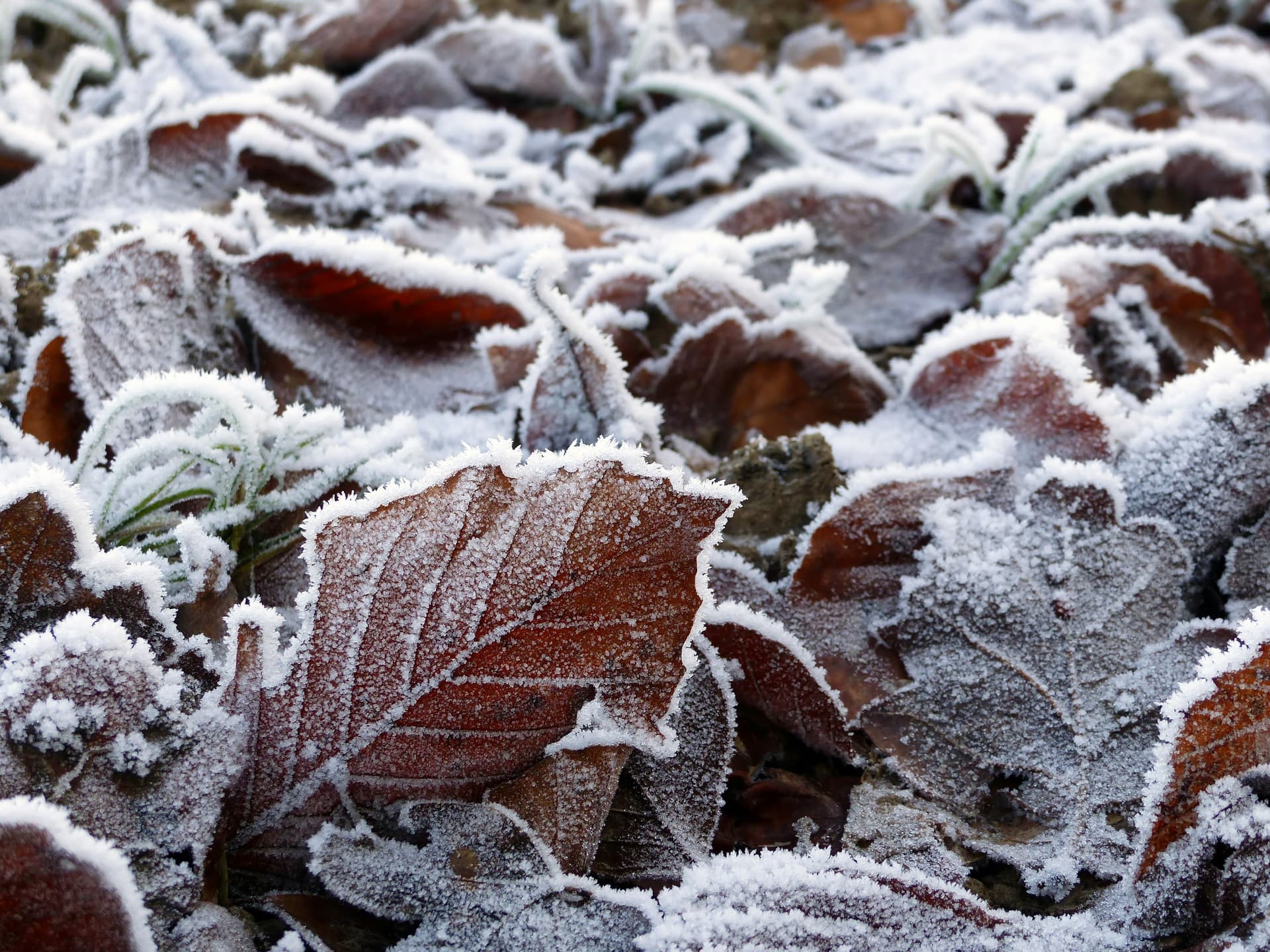
Frost Protection for Villa Gardens: The Playbook We Follow Every February
One night at minus three in February can undo a year of careful villa garden work. The six-step protocol we run every winter — forecast, prepare, cover, survive, recover — with the exact materials and timing.
 Seasonal
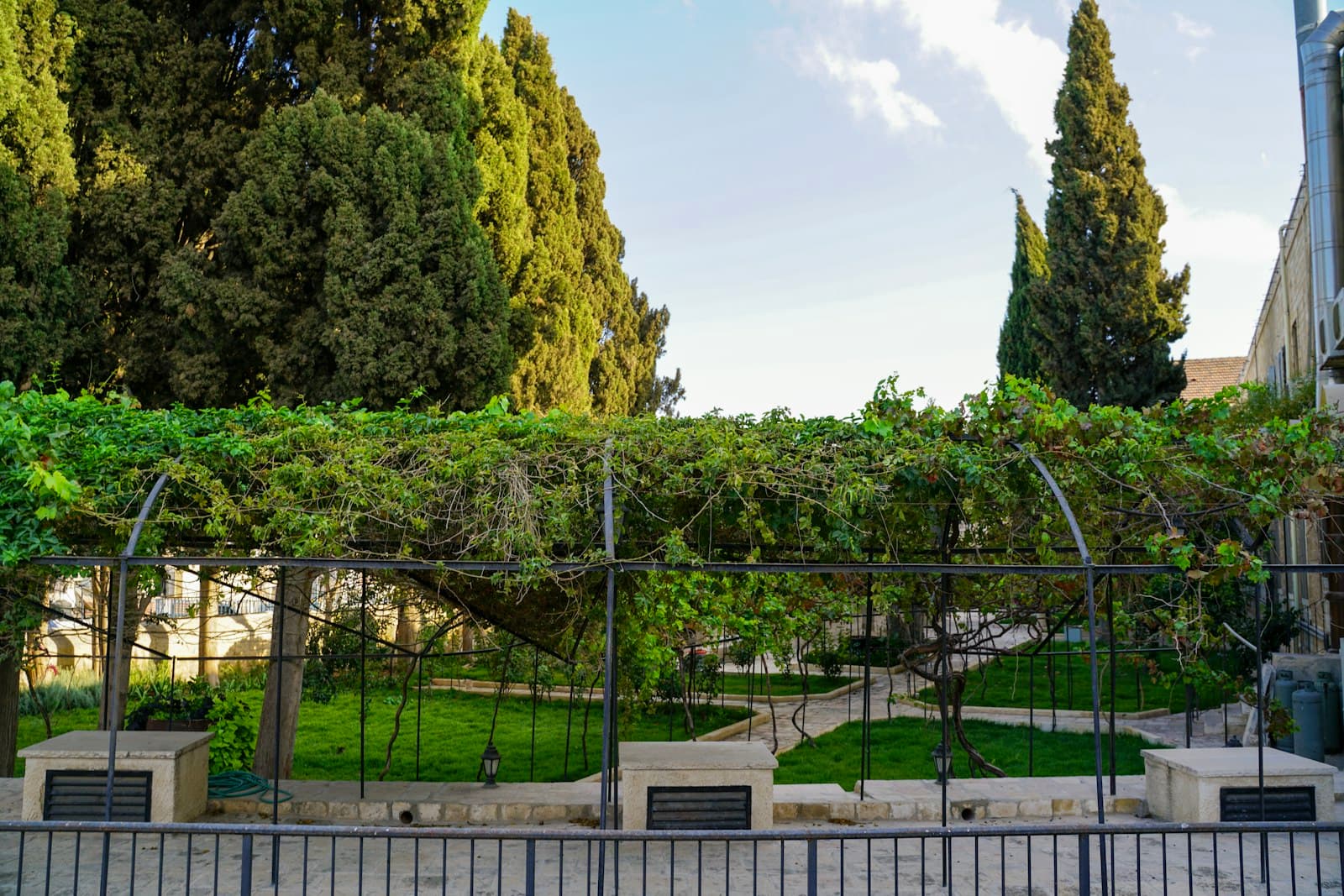
When to Plant in Istanbul: A Seasonal Guide
Istanbul sits where the Black Sea, the Marmara, and the Balkan air all bargain over the weather. A practical month-by-month planting calendar from an atelier that has worked the city's gardens since 2000.
 Seasonal
What to Plant in April in Istanbul: A Week-by-Week Atelier Guide
April in Istanbul is the most productive planting window of the year. Miss it by a week and you are planting into summer stress. Here is the week-by-week calendar we keep on the nursery wall.
Editorial & digital direction
Written, designed, and built by MHD ZUHIR MADAMANI · Istanbul