When to Plant in Istanbul: A Seasonal Guide
Istanbul sits where the Black Sea, the Marmara, and the Balkan air all bargain over the weather. A practical month-by-month planting calendar from an atelier that has worked the city's gardens since 2000.
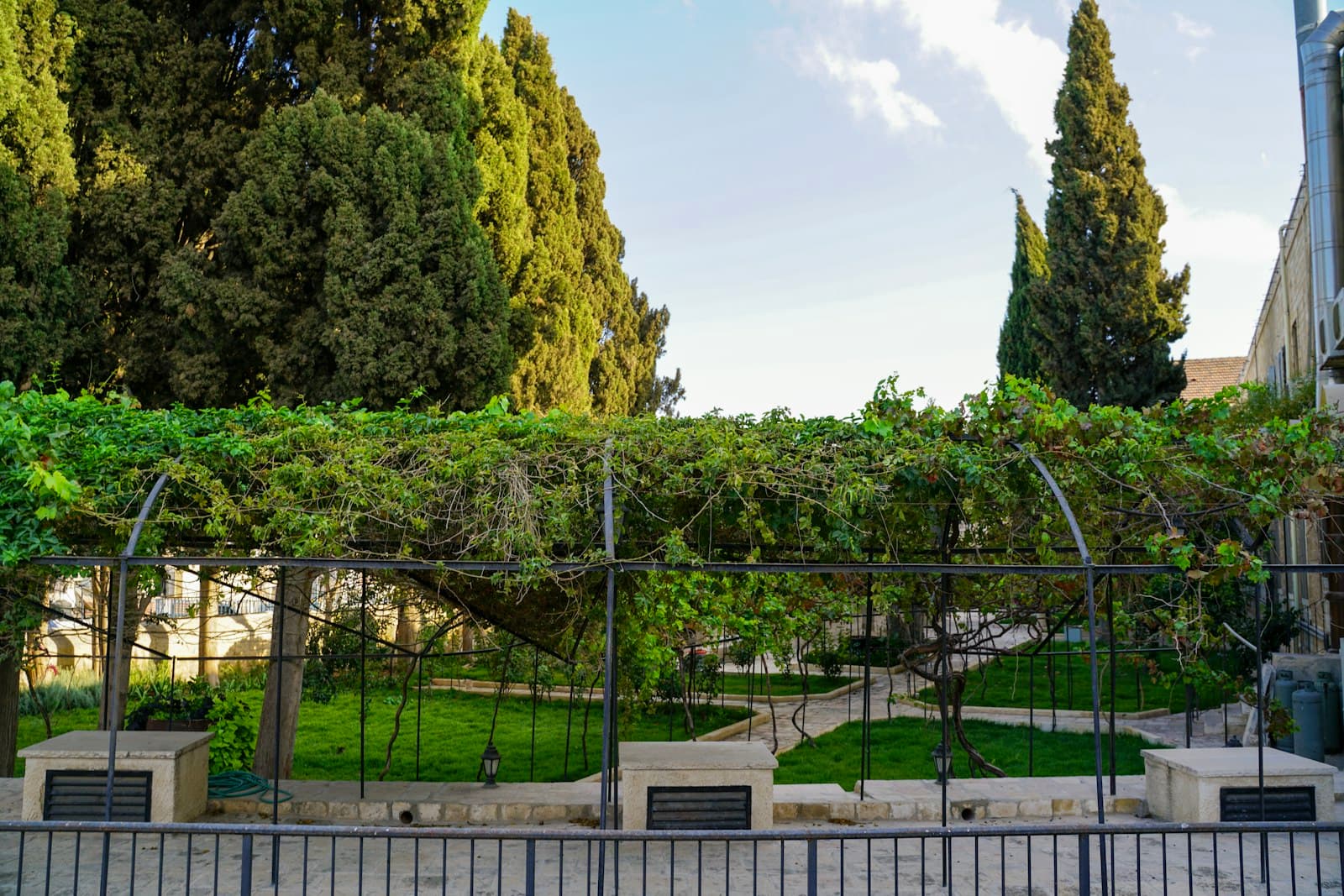
Photo: George (@geox3) · Unsplash
Most global gardening calendars are written for one of two climates — the cool English garden or the dry Mediterranean. Istanbul is neither, and both. The city sits on the meeting line between three weather systems: humid Black Sea air from the north, the drier Marmara basin from the south, and continental Balkan pressure arriving from the west. A tulip in Beyoğlu can be two weeks behind a tulip in Zekeriyaköy. A frost on the Princes' Islands will not always make it to Sarıyer.
This guide is the working calendar we actually use. It is not borrowed from a book. It is what sixty years of practice — from a family that landscaped Damascus, Amman, and now the Bosphorus — has written into a single season of notes. Read it as a starting point; your own garden will edit it.
January — Dormancy and the first almond
Nothing grows visibly. That is a good thing. Under the surface, root systems consolidate; this is the season in which trees you planted in October are deciding whether they will be friends.
- Plant: bare-root roses, fruit trees (apricot, fig, pomegranate), and — if the weather gives you a mild week — bare-root olives. The last frost on the European side is usually late January; on the Anatolian side, mid-February.
- Tend: hard-prune deciduous fruit trees and grape vines. Apply dormant oil to any tree that had fungal problems last year.
- Watch for: the almond tree. If your neighbour's almond blossoms before the end of the month, expect an early spring. If it waits until February, winter has more in store.
February — The bees return
The garden's first signal that the year is turning. If you garden consistently in one place for five years, you will notice that bees return to the almond tree within a window of about ten days, year after year. Track this date; it will tell you everything else.
- Plant: lavender, rosemary, thyme cuttings (the soil is crumbly but not frozen); hardy perennials.
- Tend: give roses their first compost. Mulch anything you will regret mulching in August. Clean and sharpen your tools — you will make three hundred cuts this month.
- Watch for: iris noses pushing through mulch. If you see them, resist the urge to brush the mulch aside. Give them one more week.
March — The opening
Spring does not arrive in Istanbul. It breaks, in a single week, sometime between the 8th and the 20th. You cannot predict the day, but you will know when it has happened: the light changes, the air loses its weight, and every shop on İstiklal puts chairs back on the pavement.
- Plant: this is the main spring planting window. Olive trees (root-ball, well-mulched). Citrus, if on the warmer Anatolian coasts. Herbaceous borders. Summer annuals in cold frames.
- Tend: first lawn rake. Cut back ornamental grasses to hand-height. Do not prune spring-flowering shrubs until after they have finished — forsythia, Judas tree, early lilac.
- Watch for: the Judas tree (erguvan). When Istanbul goes pink for a week, you have your seasonal signal. Everything that was waiting to be planted should already be in the ground.
April — Jasmine begins
The month of the most work. A well-tended April garden is the foundation of the whole year.
- Plant: late bulbs (ornamental onions, late tulips). Roses (if not already done). First summer bedding — once the night temperature holds above 10°C.
- Tend: deep irrigation setup. Test and clean every drip line before the hoses go live. Stake peonies before buds swell; a peony that flops in a May rain will flop every May thereafter.
- Watch for: the first jasmine to open on a south-facing wall. Smell it at dusk. If the scent carries, the garden has settled; if it sits heavy, you have too much foliage close to the wall — open it up.
May — Roses and the last cool week
Istanbul's most generous month. It is also the month in which first-time gardeners make the most optimistic mistakes.
- Plant: bougainvillea, plumbago, honeysuckle — anything that will be grateful for a long summer. Summer bulbs (dahlias, lilies).
- Tend: cut roses in the cool of the early morning; plunge stems in cold water the moment they are cut. First deep lawn feed. Refresh mulch to a hand's depth; you will thank yourself in August.
- Watch for: the moment the oleander opens. From that day, stop fertilising anything you do not want to keep growing. Summer is coming.
June — Dawn watering begins
The first month of the summer rhythm. Everything you do now is about preparing for July.
- Plant: palms (in coastal gardens). Drought-tolerant shrubs. Avoid planting soft-leafed perennials — they will not establish before the heat.
- Tend: shift all watering to just before dawn. Evening watering invites fungal problems; midday watering is a waste of water and wastes the plant's afternoon recovery. Thin the fruit on fig, pomegranate, and apricot — one fruit per spur gives better size than three fighting for it.
- Watch for: the underside of olive leaves. If the silver does not move in the light on a still morning, your tree is stressed. Check mulch depth before you check irrigation.
July — The garden holds
The month of discipline. Do nothing at noon. The earth drinks before dawn and breathes after sunset — the gardener who forgets this loses a season in a week.
- Plant: almost nothing. Exception: if a client absolutely must plant, we do it at dusk, with the plant pre-soaked for an hour, and we shade it with burlap for the first three days.
- Tend: weekly inspection of every drip line. One clog ruins a row. Light pruning only — no hard cuts during peak heat. Deadhead roses daily; they read the cut as a call to bloom again.
- Watch for: pests. July heat brings aphids on roses, scale on citrus, and red spider on anything dusty. A strong jet of water at sunrise, three days in a row, fixes most of it.
August — Night jasmine
The city leaves; the garden stays awake. Gardens in Istanbul are nocturnal in August — the most beautiful hour is 9 p.m., when the night jasmine opens and the bitter orange releases its daytime heat.
- Plant: nothing. Begin seed-saving from your strongest plants — label everything today, not tomorrow.
- Tend: repair pergola shade cloth. Oil any exposed woodwork before the first September rain. Divide bearded iris rhizomes when the foliage starts to yellow.
- Watch for: the first autumn crocus. When it appears, the season has turned, even if the weather hasn't admitted it yet.
September — The first olives
The single most important month of the year for a Mediterranean garden. Autumn rain arrives; the soil becomes workable again; roots that are planted now will have three warm weeks of establishment before the cold.
- Plant: autumn roots outperform spring roots by half. Trees, especially. Spring bulbs — tulips pointed up, three times their height deep, six fingers apart. Winter vegetables (spinach, lettuce, chard).
- Tend: begin olive harvest when the first three olives fall of their own weight. Seed-saving continues. First compost application.
- Watch for: the first olive to fall. That is the signal. We beat the lower branches at dawn onto a blue cloth — the traditional colour in our family's groves, going back to Daraya in the 1960s.
October — The earth in gold
If April is the most generous month, October is the most beautiful. The light is lower, the shadows are longer, and the leaves of the plane trees along Nişantaşı turn the exact colour of the city's older stonework.
- Plant: final spring-bulb window. Trees (deciduous, root-ball). Hedges. Garlic cloves (pointed up, six fingers apart, two fingers deep).
- Tend: rake leaves onto garden beds, not off them — free winter mulch. Cut back dead perennial foliage but leave some seed-heads standing for the birds.
- Watch for: first frost warning. Bring tender pots into the shade before the first cold night — never after.
November — The pencil sketch of winter
The garden puts on its warm clothes. Everything you do now protects you from February.
- Plant: olive trees in their root-ball season (last window before January). Cypress. Winter hedging.
- Tend: wrap young citrus trunks in burlap on their north-facing sides. Oil wooden pergolas. Drain all hoses and irrigation lines before the first hard frost.
- Watch for: the persimmon. When the last leaf falls and the fruit hangs alone against the bare branches, the winter light is about to start.
December — Ember beneath ash
The quietest month in the garden. The most useful one in the notebook.
- Plant: olive, citrus, hardy evergreens. Paperwhite narcissus in bowls for January windows.
- Tend: hard pruning (dormant fruit trees). Review this year's notes. Clean and oil tools. Order seeds — the best varieties sell out by January.
- Watch for: the bitter orange against a cream wall. It will hold its fruit until February and is the gift the garden gives you for doing the other eleven months well.
A note on microclimates
The calendar above is calibrated to a European-side garden, between 5 and 50 metres above sea level. If you garden on the Asian side, add three to five days to most dates; the continental influence is stronger. On the islands, subtract a week in spring and autumn; the sea buffers both. Above 200 metres (Belgrad Forest, Beykoz ridges), add two weeks in spring; winters last longer.
We maintain garden calendars on a per-client basis — no two are the same after the second year, because the garden itself begins to edit them.
NAS Landscape designs, builds, and maintains private gardens and public landscapes across Istanbul and the wider Middle East. A consultation begins with a conversation: info@naslandscape.com · +90 535 422 5227.
◆ A real diagnosis, not a guess
Send a photo. Get a plan.
Our specialists handle cases like yours across Istanbul and the wider region. Share a photo on WhatsApp or book a free site visit — whichever is faster for you.
60+ years · 7 countries · 500+ projects · third-generation atelier
◆ More field notes
 Seasonal
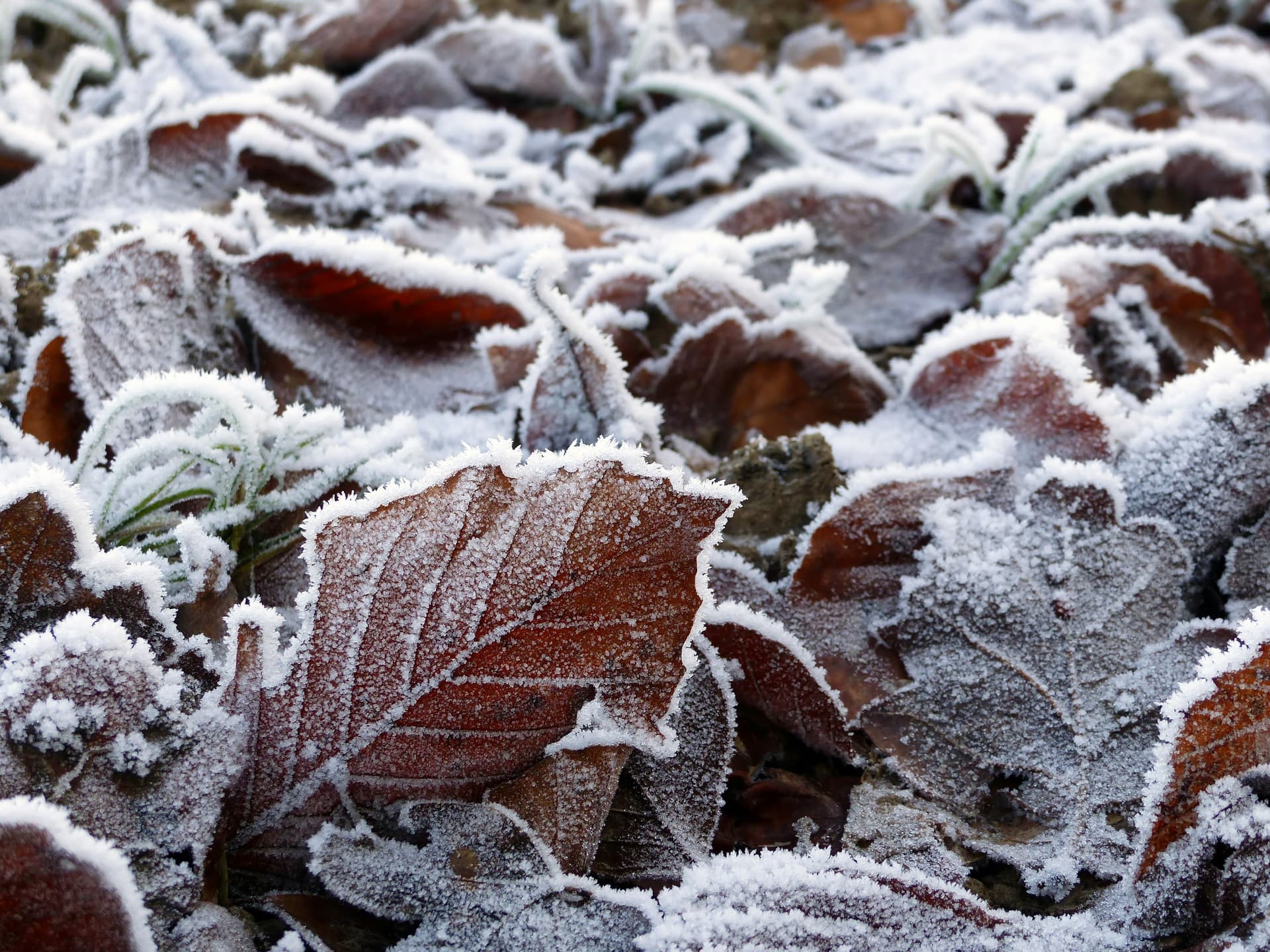
Frost Protection for Villa Gardens: The Playbook We Follow Every February
One night at minus three in February can undo a year of careful villa garden work. The six-step protocol we run every winter — forecast, prepare, cover, survive, recover — with the exact materials and timing.
 Seasonal
What to Plant in April in Istanbul: A Week-by-Week Atelier Guide
April in Istanbul is the most productive planting window of the year. Miss it by a week and you are planting into summer stress. Here is the week-by-week calendar we keep on the nursery wall.
 Seasonal
Preparing a Garden for the First Heatwave: A 4-Week May Checklist
Summer does not kill gardens — a garden entering summer unprepared does. Four weeks of work in May protects the entire season. Here is the week-by-week plan.
Editorial & digital direction
Written, designed, and built by MHD ZUHIR MADAMANI · Istanbul