How to Choose the Best Landscape Atelier in Istanbul: A Decision Framework
A villa garden is a fifty-year promise. The wrong atelier costs you twice — once in the planting, again in the replanting. Here is the framework we wish every villa owner used before signing the contract — five markers of a real atelier, four questions to ask, and the red flags that should send you walking.
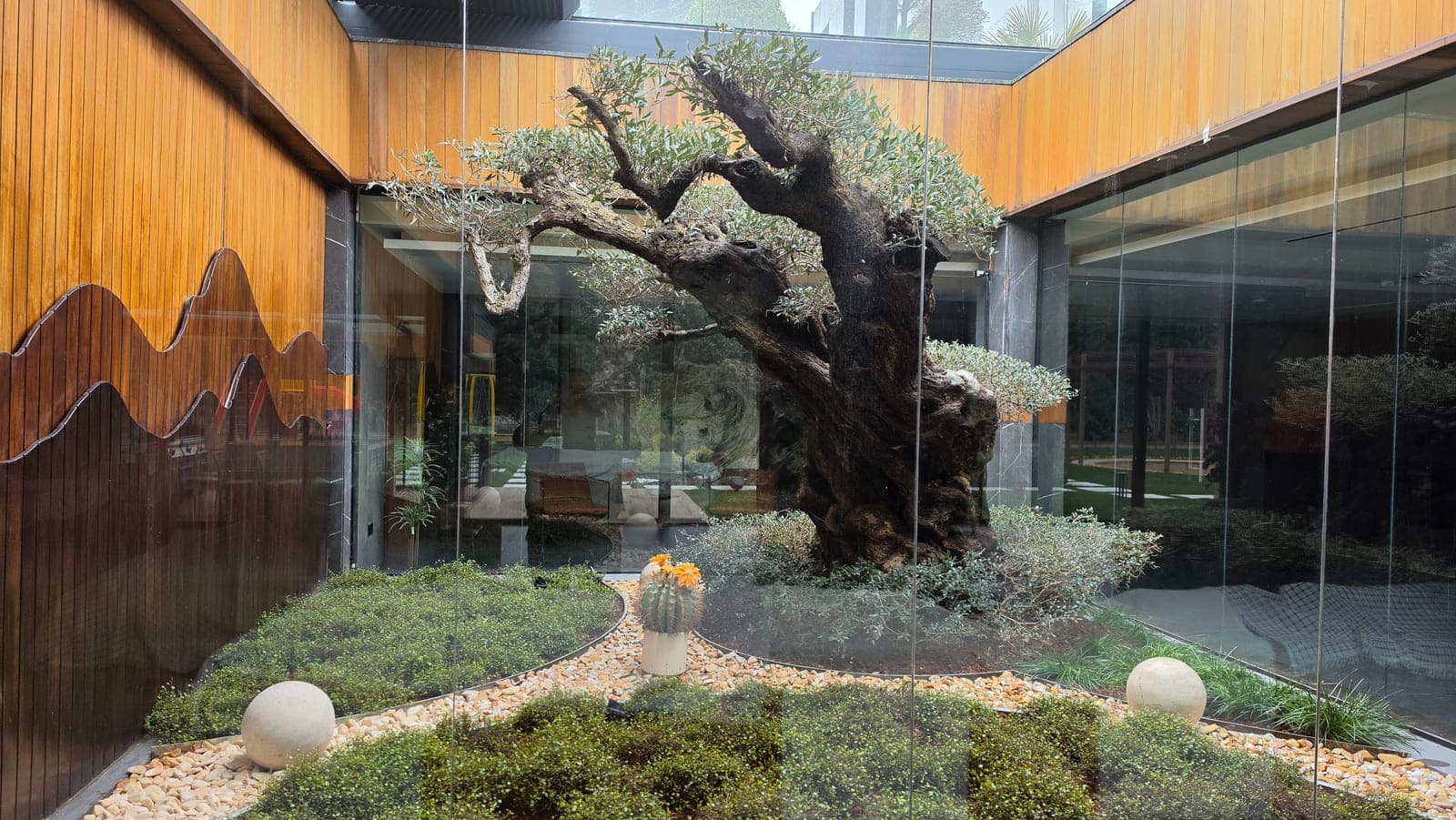
NAS Landscape archive
A villa garden is a fifty-year promise. The Italian cypress you plant this autumn will outlive the kitchen renovation, the children, perhaps the marriage. The mature olive that arrives by crane on a flatbed has already been alive for a century before it reaches your hillside; whoever installs it is responsible for whether it lives another century, or whether it dies in its second summer because the root ball was never given the time to settle.
This is why choosing the best landscape atelier in Istanbul is not a procurement decision. It is a generational decision, and the cost of getting it wrong is paid twice — first in the original installation, then again in the replanting after year three or year five, when the underbuilt irrigation fails, the cheap stone heaves, the imported trees that were never properly acclimatised begin to die in succession.
Sixty years and seven countries of work have given our atelier a clear picture of how the wrong choice happens. Almost always it begins the same way: the homeowner asks the wrong questions in the first call, gets seductive answers, and signs the contract before they understand the difference between a landscape contractor and a landscape atelier. This essay is the framework we wish every villa owner used before that first contract — five markers of a real atelier, four questions to ask, the test we run on every nursery we visit, and the five red flags that should send you walking.
What separates a landscape atelier from a contractor
A landscape contractor assembles a project. They take the brief, hire subcontractors for masonry, planting, irrigation and lighting, mark up the invoices, and deliver. The trees come from whichever wholesaler is cheapest this week. The masons are the cheapest available next month. The lighting team is somebody's brother-in-law. Every craft is rented; nothing is owned. When something fails in year two, no one is responsible — every sub points at the next.
A landscape atelier owns its trades. The masons cut the stone. The planters trained inside the nursery. The irrigation team programmed the system they laid. The same company that signs the design also signs the build, also signs the maintenance contract, also signs the warranty. There is no "they" to point at when something fails — there is only "we".
This distinction is not a marketing line. It is the operational difference that determines whether your garden looks like a garden or like a stage set, whether it lives for fifty years or rots in five.
The five markers of a real atelier
These are the markers we look for when we evaluate the work of others — they are also the markers a careful villa owner can verify in two phone calls and one site visit.
1. They own the trades, full-time
Ask directly: "Do your masons, planters, irrigation team, and lighting team work for you full-time, or are they subcontracted per project?" A real atelier answers the first; a contractor disguised as an atelier answers the second. Subcontracted teams change every project, lose the design intent, and disappear when the warranty period starts.
2. They have their own nursery
The single most important test. An atelier with a nursery has skin in the game; the trees you'll plant in your garden have already lived in their care for years before delivery. A "designer" without a nursery sources from auction lots and unknown wholesalers — quality is gambled tree by tree. The nursery visit is also where you will see the real character of the team: how they walk between the rows, how they touch the leaves, whether the irrigation is uniform, whether the soil under the bonsai pots is fresh or stale.
3. Their portfolio is named, dated, and verifiable
Real projects have real addresses, real years, real clients. A serious atelier will name them — "the 8th Gate, Damascus 2019; Marrakech Park, 2021; Tepekent Garden, Istanbul 2023" — and you can drive past most of them. A contractor's portfolio is render-only, with stock photos and vague captions like "private villa, Türkiye". If the work cannot be located, it cannot be verified, and you cannot trust it.
4. They sign the maintenance contract themselves
The garden you receive at handover is 30% of the garden you'll have in five years. The other 70% comes from maintenance. A real atelier offers a multi-year maintenance contract performed by the same crew that built the garden. If the proposal is silent on maintenance, or hands you off to a "partner", the atelier doesn't believe in its own work past delivery day. Our Amman Municipality contract has run continuously since 2014 — that, more than any photograph, is the evidence of confidence.
5. The principal designer is a person, not a logo
A real atelier has a face. Behind the brand is a principal designer or a family that has signed the work for a generation, usually two or three. They walk the site with you on the first visit. They are the one who hands you the keys at the end. If the only contact you have is a marketing manager and an account exec, you are not buying landscape architecture — you are buying landscape sales.
The four questions to ask in the first call
Before you invite anyone to your site, three minutes on the phone will tell you most of what you need to know.
-
"How many trees on your last villa project came from your own nursery?" A real atelier will give you a number — sometimes 100%, sometimes 70%. A contractor will deflect ("we work with several trusted suppliers").
-
"Who will be on site daily during the build?" The right answer is a named project lead with a CV. The wrong answer is "our project manager" with no name, or worse, silence.
-
"What's your planting guarantee, in months?" Twelve months minimum is standard for a real atelier. Anything less means they expect a percentage to die and have priced their warranty exposure cheap.
-
"What's the longest maintenance contract you currently hold?" A serious atelier will name it — "ten years with Amman Municipality"; "twelve years with a private estate in Riyadh." A contractor will not have one to name; their answer will be vague or evasive.
The five red flags that should send you walking
If you encounter any of these, the conversation is over.
- Catalogue-only photos. No portfolio of completed projects you can verify. Stock images, render libraries, no addresses.
- No nursery, no transparency on plant sourcing. When you ask where the trees come from, the answer is a brand name (a wholesaler) rather than a place.
- No maintenance offering or "we'll partner with someone for that". They don't believe in their own work past delivery day.
- The only reference is the website. No client testimonials, no press placements, no industry directory listings, no Wikipedia mention, no LinkedIn presence for the principal.
- The price is 30% or more below the others. They are cutting somewhere, and it will appear in materials, plant maturity, or labour skill within two years. The cheapest landscape contract is always the most expensive after five years.
Why heritage matters more than reputation
The Istanbul villa landscape market is full of new firms — three years old, five years old, with confident websites and aggressive pricing. Some of them will become serious ateliers in twenty years. None of them have the institutional memory yet to know which Cappadocian limestone fractures in a winter freeze, which heritage olive sources are real and which are forgeries, how a Damascene rose actually settles into Bosphorus humidity in its third year, why the same drip emitter that works in Riyadh fails in Istanbul.
A landscape atelier in its third generation has watched gardens it planted thirty years ago, fifty years ago, sixty years ago, evolve into themselves. It has seen which decisions held and which collapsed. That memory is the difference between a garden that "looks finished" and a garden that "is finished" — and it is not something a five-year-old firm can buy or shortcut.
When you choose a landscape atelier for an Istanbul villa garden, you are not choosing a service. You are choosing a fifty-year partner. Choose accordingly.
If you would like NAS Landscape's principal designer to walk your land — Istanbul site visits are complimentary, and we fly for projects abroad — send a few photos and a short message via WhatsApp. A real architect reads it the same working day.
◆ A real diagnosis, not a guess
Send a photo. Get a plan.
Our specialists handle cases like yours across Istanbul and the wider region. Share a photo on WhatsApp or book a free site visit — whichever is faster for you.
60+ years · 7 countries · 500+ projects · third-generation atelier
◆ More field notes
 Craft & Heritage
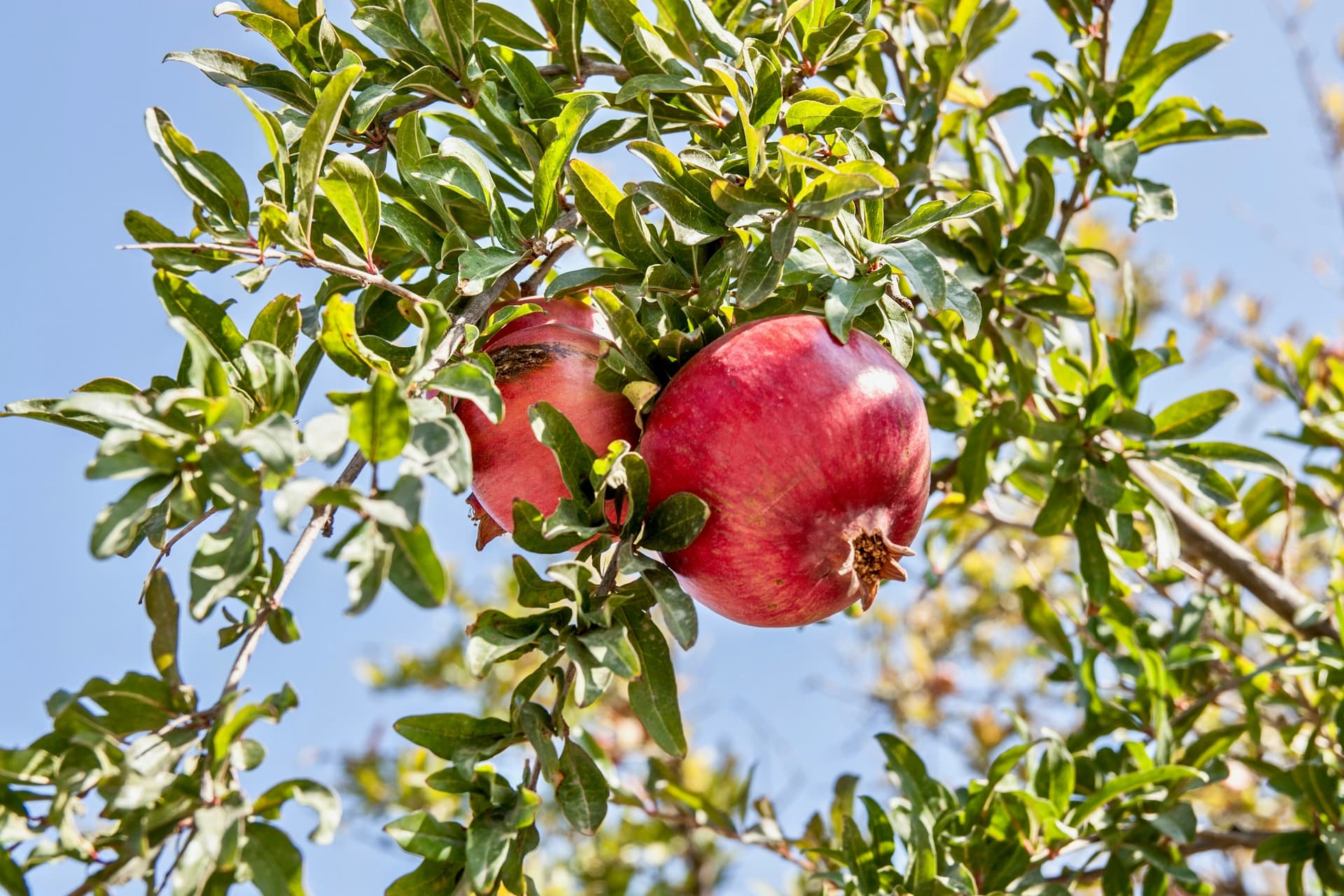
The Pomegranate Tree: Heritage, Symbol, and the Fruit on Your Table
The pomegranate is not a tree for landscaping. It is a decision about where a family sits in relation to its memory. Seven thousand years of domestication, twelve centuries of Andalusian selection, and why we still plant it on every villa commission.
 Craft & Heritage
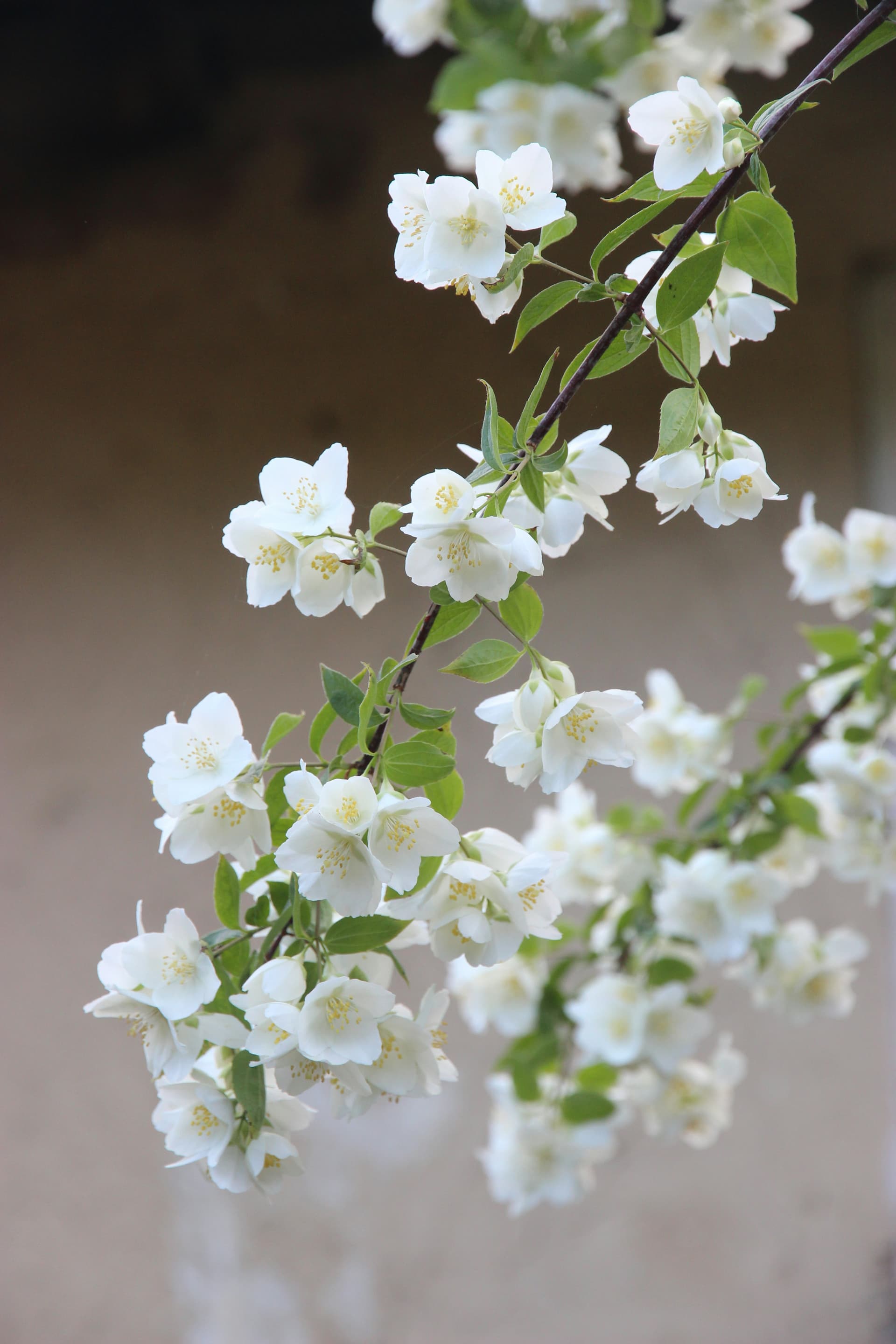
Jasmine: The Fragrance That Built NAS
In 1965 the first nursery in Syria was named Mishtal Al-Ful Wal Yasmin — the Nursery of Jasmine — after a tree the founder's wife loved. Sixty years on, jasmine is still at the centre of what we do and why.
 Craft & Heritage
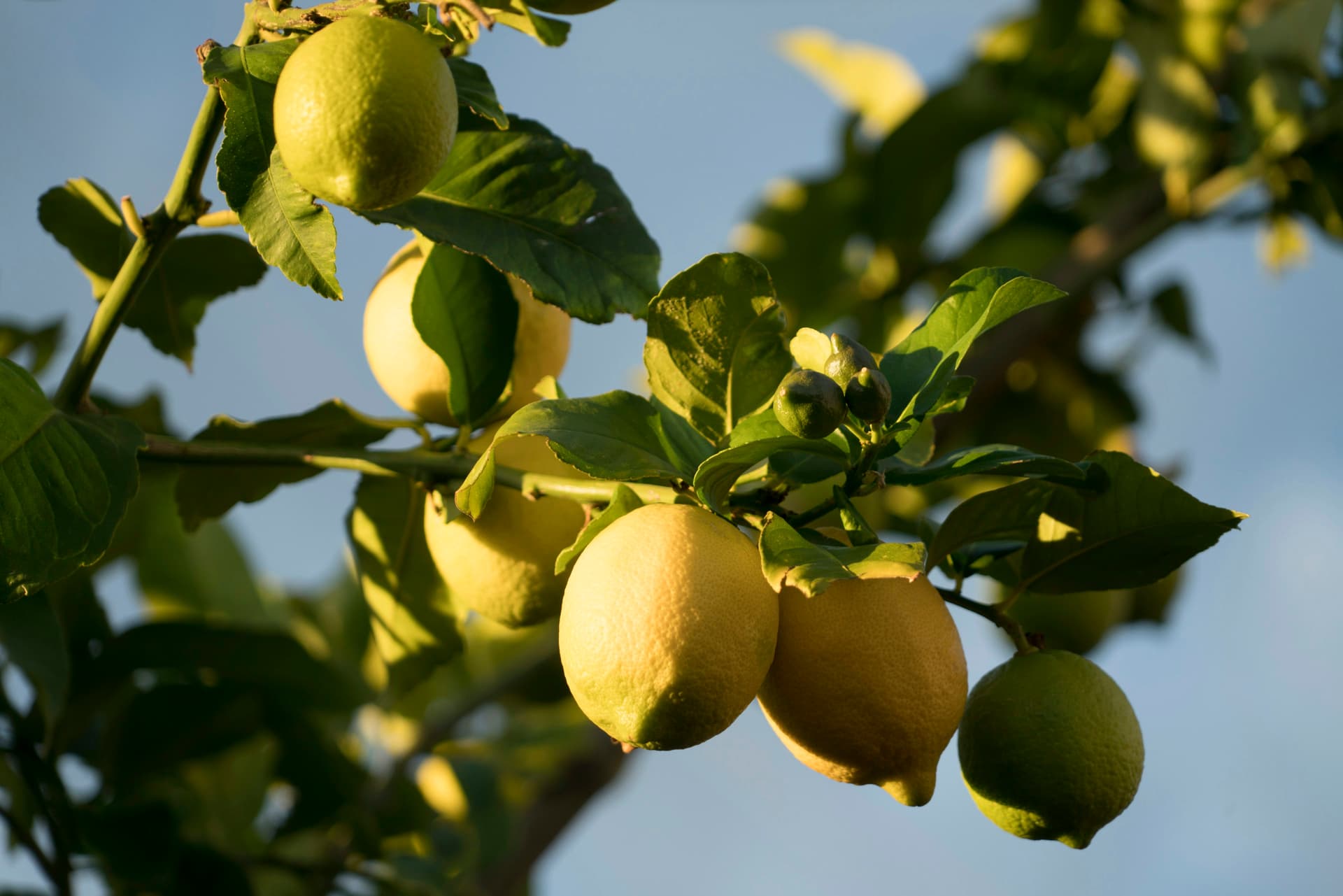
Citrus Trees for Villa Gardens: Planting, Problems, and the Varieties That Actually Work
A lemon tree in a Mediterranean villa is either a small domestic miracle or a sad yellow thing dropping leaves. The difference is knowing what citrus actually want — and recognising the five patterns when they don't get it.
Editorial & digital direction
Written, designed, and built by MHD ZUHIR MADAMANI · Istanbul