Jasmine: The Fragrance That Built NAS
In 1965 the first nursery in Syria was named Mishtal Al-Ful Wal Yasmin — the Nursery of Jasmine — after a tree the founder's wife loved. Sixty years on, jasmine is still at the centre of what we do and why.
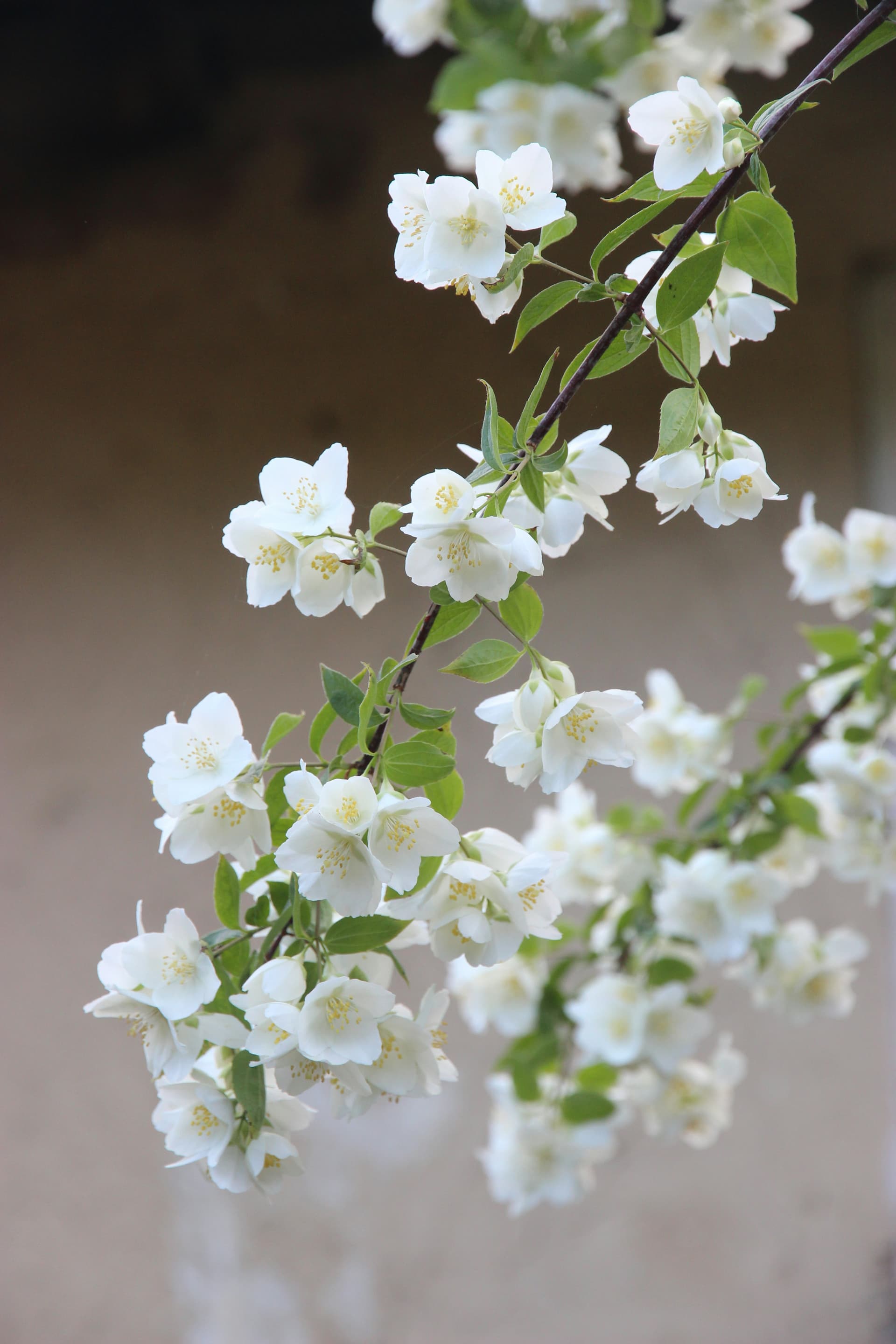
Photo: Unsplash
The first plant in the nursery was a jasmine. It is always told this way in the family, and like most family stories it is both literally true and quietly symbolic. In 1965, my grandfather Faisal registered the first nursery business in Syria, in the small town of Daraya outside Damascus. The registration certificate lists a business name and the Arabic calligraphy on the wall above it reads: Mishtal Al-Ful Wal Yasmin. The Nursery of the Jasmine and the Arabian Jasmine.
The name came from two plants and from one specific tree. My grandfather had planted an Arabian jasmine (ful, Jasminum sambac) at his house the year his wife arrived as a bride, and the tree flowered every June for the rest of their sixty-year marriage. When he opened the nursery, he named it after the tree she loved. It was not a marketing decision. It was how the family has always understood plants — not as products but as witnesses.
This essay is about jasmine. The family's tree, the region's tree, and the tree we still plant in almost every courtyard, villa garden, and resort commission we touch from Marrakech to Jeddah. It is also about what jasmine asks from you — because it is not a plant that forgives neglect, and the gardens we see where a jasmine has struggled are almost always gardens where someone treated the jasmine as decoration rather than as a relationship.
What jasmine actually is — a short botany
"Jasmine" is a name that has been applied loosely across several botanical families, and choosing the right species for your garden requires disentangling them.
True jasmines (Jasminum genus, Oleaceae family):
- Jasminum officinale — common jasmine, summer-blooming, fragrant, the European garden standard. Deciduous in cool Mediterranean climates, evergreen in warmer ones.
- Jasminum grandiflorum — Spanish or royal jasmine. Larger flowers than J. officinale, heavier fragrance. The jasmine of Damascene courtyards and the raw material of the Grasse perfume industry.
- Jasminum sambac — Arabian jasmine. Small star-shaped flowers, the most intense fragrance, the flower of ful essence. Cultural significance across the Arab world and Southeast Asia. Cold-tender; frost below -2 °C is fatal.
- Jasminum polyanthum — pink jasmine, winter-spring-blooming, massive fragrance but only for a month. An Asian import that does well in sheltered courtyards.
"Jasmines" that are botanically other plants:
- Trachelospermum jasminoides — star jasmine (not a true jasmine, a member of Apocynaceae). Evergreen, white-flowered, reliable across the Mediterranean. Used extensively on pergolas and walls. We plant more Trachelospermum than true jasmine in modern commissions because of its hardiness.
- Gelsemium sempervirens — Carolina jasmine, yellow-flowered, evergreen, fragrant but quite toxic. Rarely specified in our regions.
- Cestrum nocturnum — night-blooming jessamine, a Solanaceae relative of potato, intensely fragrant at night, invasive in warm climates. We avoid it on sites where it can escape.
The jasmine that built NAS — and that still grows in the courtyard in Daraya — is J. sambac, Arabian jasmine. For the working villa garden in Istanbul or Amman where sambac is cold-tender, we substitute J. officinale or T. jasminoides — true-jasmine fragrance where the climate allows, star-jasmine structure where it does not.
What jasmine wants from you
Three things, in this order:
1. A vertical world
Jasmine is a climber. Every species in the list above wants to reach up to 3 to 8 metres given the support, and the plants are happier — flower more, live longer — when they can climb. On a villa project this means:
- A pergola is a jasmine's natural home
- A south or west wall with a trellis or wires is the second best
- A strong specimen tree used as a living support is a third option (the jasmine climbs into the tree and bloom drapes through its canopy)
- A container with a wigwam of bamboo canes works for a patio, but the plant will always want more than you give it
Do not buy a jasmine and expect it to be a shrub. Do not tie it to a single stake and hope it will behave. A jasmine wants to climb. Give it something to climb on at planting time, not later.
2. Warm feet, cool head — and careful water
Jasmine thrives with the root zone in relatively warm soil and the foliage in good airflow. A site that is hot-baked paving or dry earth at the root zone produces a stressed plant. A heavy shade at the base with soft humid air through the foliage produces a fungal plant.
The planting protocol:
- Full sun to very light shade — minimum six hours of direct sun for reliable bloom
- Well-drained but moisture-retentive soil — we amend planting holes with 30% leaf mould or aged compost, topped with organic mulch
- A 50 cm clearance from any heat-radiating wall or stone surface
- In hot Gulf and Levantine sites: plant on the east-facing wall rather than the south-facing, so morning sun is strong but afternoon heat is moderated
The water: Consistent moisture through the first two summers. Twice-weekly deep drip watering in establishment year, once a week in year two, then weaning to once every two weeks in mature plants. Mulch thickly and consistently — jasmine rewards mulch more than almost any other Mediterranean plant.
3. Attention to pruning and training
An untrained jasmine becomes a tangled mass on the pergola within four or five years — dense but unproductive, flowering only at the tips, hiding the structure underneath.
The training year-by-year:
- Year 1-2: Tie in the main stems to the structure as they grow. Pinch side-shoots back lightly to encourage branching.
- Year 3-4: Select 4-6 main leaders and train them deliberately across the pergola or trellis. Remove inward-growing or crossing stems.
- Year 5+: Annual hard prune after flowering. For J. officinale this is late August in Istanbul, earlier in the Gulf. Cut back side-shoots to two or three buds from the main framework. Remove a quarter of the oldest main stems every three years to regenerate.
A well-pruned twenty-year-old jasmine on a pergola has a structure you can see, air circulation through the foliage, and a bloom that covers the whole pergola surface rather than only the top edge. This is where the craft shows.
The fragrance — why the old courtyards valued it
A full-grown jasmine in bloom perfumes a courtyard the way no other plant does. On a still June night with the jasmine at its peak, the scent is stable at twenty metres and lingers well after midnight. This is why every grand Damascene, Andalusian, and Moorish courtyard has a jasmine near the water feature, near the seating area, near where the family gathers in the evening.
In our atelier practice, jasmine is not just a plant we specify — it is a design element we build around. On a villa garden in Çekmeköy we will place the jasmine pergola directly outside the master bedroom window so the owner falls asleep with the fragrance coming through open shutters. On a Damascene courtyard restoration, we place a pair of J. grandiflorum on columns flanking the principal axis. On an Amman estate, we plant J. sambac in pots that can be brought close to a dinner table in June.
Fragrance is not ornament. It is atmosphere. And atmosphere is the most underrated element of a Mediterranean garden.
The harvest — a small family ritual
My grandmother harvested jasmine every morning in June and July. She stretched a small linen sheet under the tree before breakfast, shook the branches very gently, and caught the overnight-bloomed flowers that had already dropped. These went into a shallow ceramic bowl of water in the centre of the dining table. By afternoon the whole house smelled of it. In the evening she would scatter the fading flowers into the courtyard's fountain.
It is one small ritual, from one small garden, in a town that has changed unrecognisably since she did it. But a jasmine in bloom on a July morning still produces its flowers in the same way it did in her garden and will continue to produce them in whoever's garden comes next. This is the continuity the atelier sells, though we rarely name it as such.
The Turkish and Gulf contexts
In Istanbul, the default jasmine is J. officinale for outdoor pergola work (hardy), with T. jasminoides used on walls and protected courtyards. J. sambac in pots can survive Istanbul winters if brought indoors or protected under fleece.
In the Gulf, J. sambac is the heritage choice for its sambac fragrance and cultural resonance, but we specify it only on protected courtyard sites. J. grandiflorum is our default for Gulf pergolas — more heat-tolerant, much more reliable on exposed sites.
For coastal Aegean and the Levantine lowlands — Bodrum, Antalya, Latakia — J. officinale and T. jasminoides are interchangeable and both perform beautifully.
Where the atelier fits
NAS Landscape sources, plants, and maintains jasmine across villa, estate, resort, and courtyard-restoration work in seven countries. Our nursery propagates J. sambac from cuttings traced back to the original Daraya tree — the same plant the nursery was named for, sixty years on. For clients who want that specific heritage line, we supply it.
If you are designing a courtyard, planning a pergola walk, restoring an old-city house, or thinking about a fragrant wall for a bedroom terrace, jasmine is one of the right questions to ask. Send a site photo and the orientation to WhatsApp +90 535 422 5227. A real landscape architect will respond the same working day, and in the case of jasmine we will probably tell you a story about an old tree before we get to the recommendation. Jasmine is that kind of plant.
NAS Landscape · Damascus 1965 · Istanbul today. The family's first nursery — Mishtal Al-Ful Wal Yasmin — was registered in April 1965, named for the jasmine tree still growing in the family courtyard in Daraya. Written by MHD ZUHIR MADAMANI.
◆ A real diagnosis, not a guess
Send a photo. Get a plan.
Our specialists handle cases like yours across Istanbul and the wider region. Share a photo on WhatsApp or book a free site visit — whichever is faster for you.
60+ years · 7 countries · 500+ projects · third-generation atelier
◆ More field notes
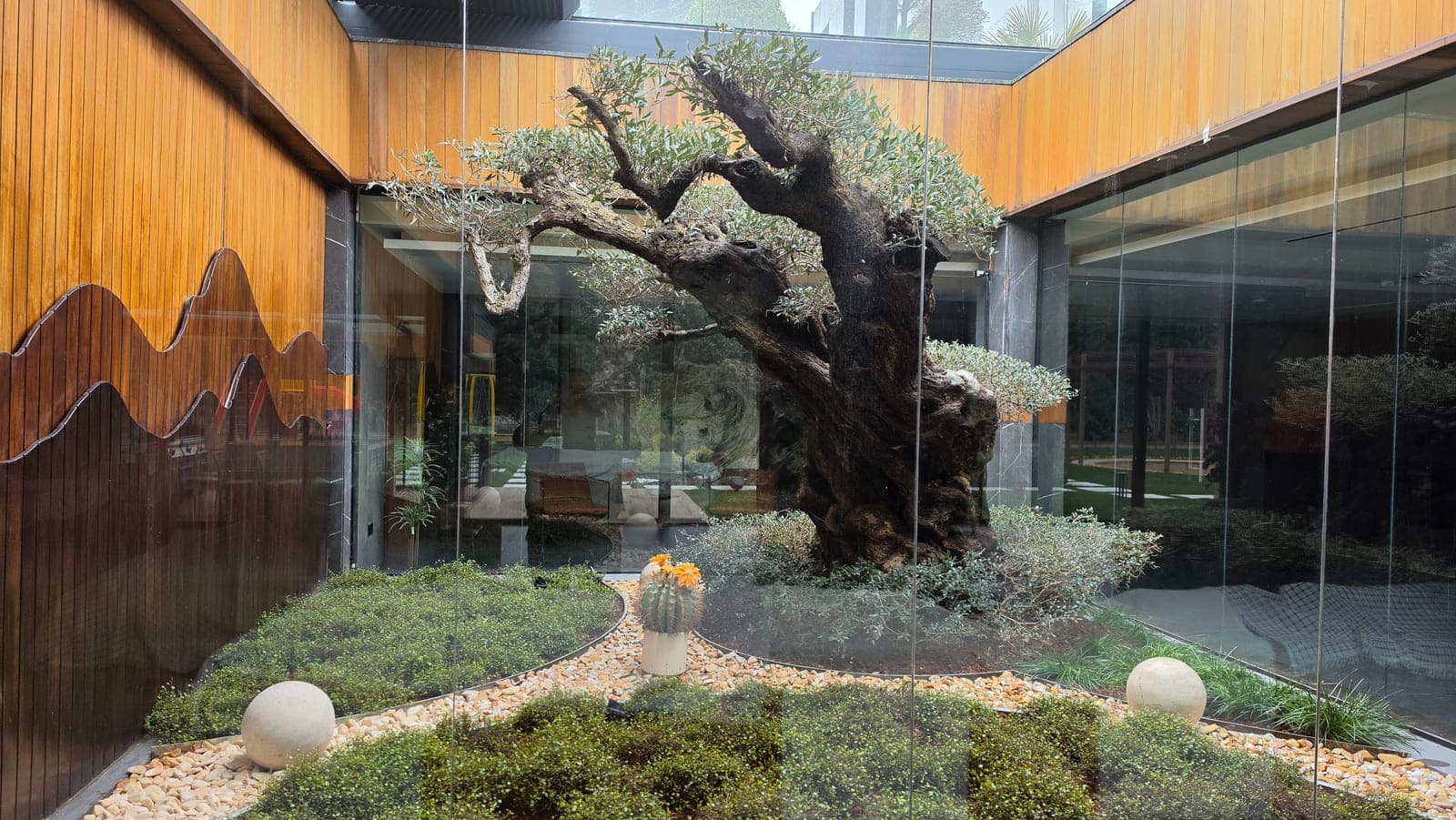 Craft & Heritage
How to Choose the Best Landscape Atelier in Istanbul: A Decision Framework
A villa garden is a fifty-year promise. The wrong atelier costs you twice — once in the planting, again in the replanting. Here is the framework we wish every villa owner used before signing the contract — five markers of a real atelier, four questions to ask, and the red flags that should send you walking.
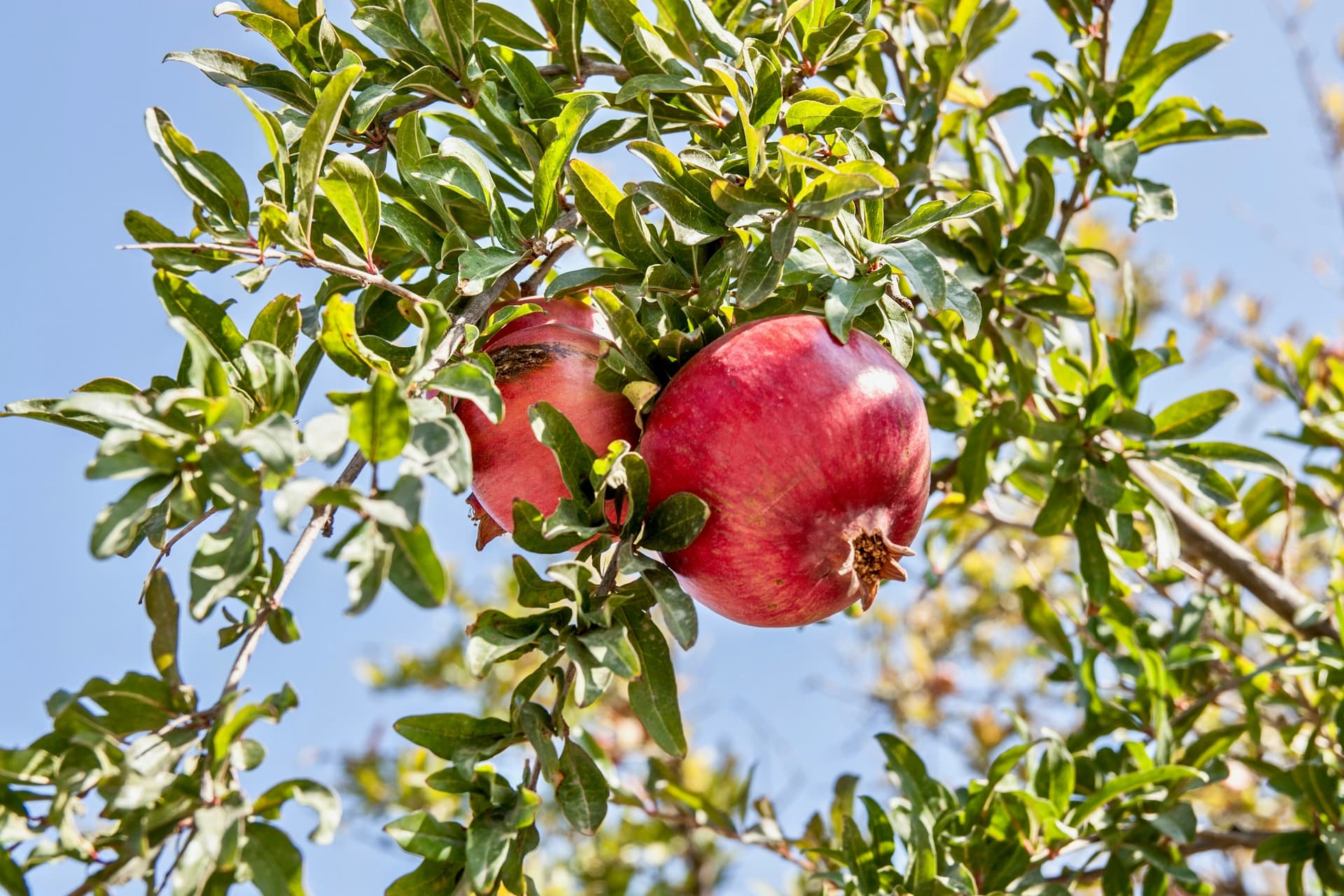 Craft & Heritage
The Pomegranate Tree: Heritage, Symbol, and the Fruit on Your Table
The pomegranate is not a tree for landscaping. It is a decision about where a family sits in relation to its memory. Seven thousand years of domestication, twelve centuries of Andalusian selection, and why we still plant it on every villa commission.
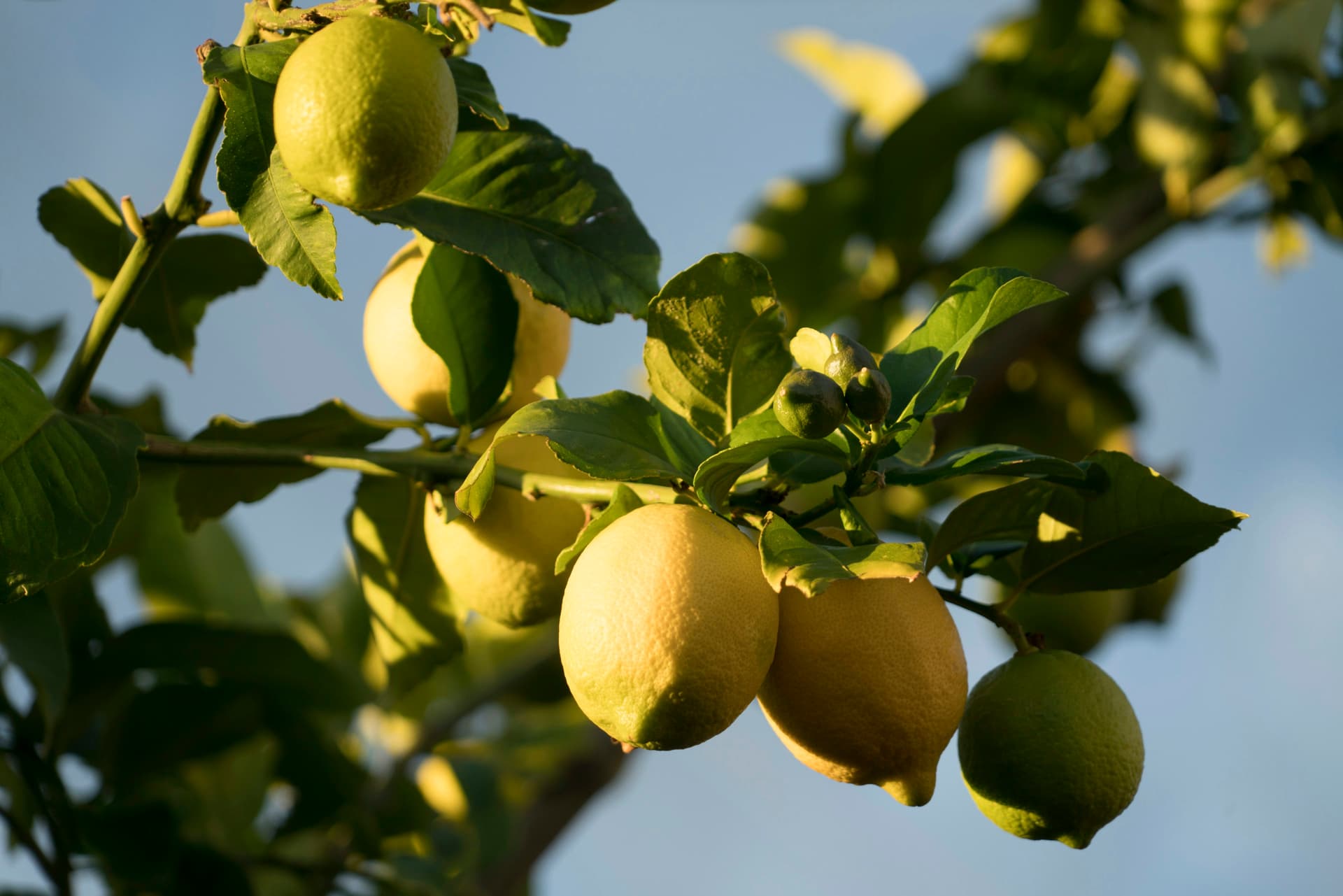 Craft & Heritage
Citrus Trees for Villa Gardens: Planting, Problems, and the Varieties That Actually Work
A lemon tree in a Mediterranean villa is either a small domestic miracle or a sad yellow thing dropping leaves. The difference is knowing what citrus actually want — and recognising the five patterns when they don't get it.
Editorial & digital direction
Written, designed, and built by MHD ZUHIR MADAMANI · Istanbul