Buying a Bonsai Olive: A Collector's Guide from a Third-Generation Nursery
A real bonsai olive has a history. Here is how to tell one that does from one that does not — and what to actually pay for.
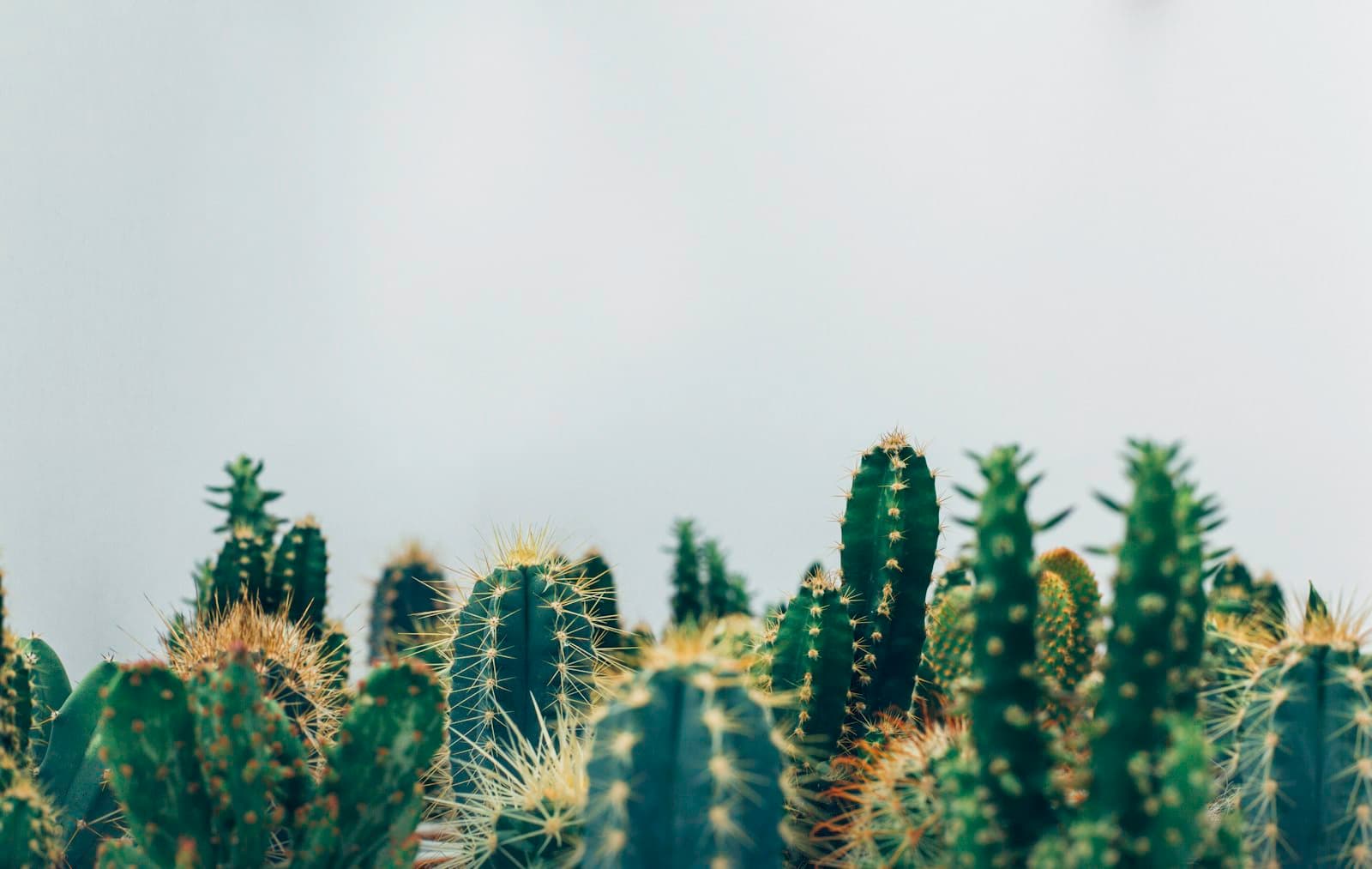
Photo: Unsplash
A good bonsai olive is the closest thing horticulture has to a sculpture signed by time. The species lends itself perfectly to the form — silver leaves, gnarled bark, wood that twists and hollows with age — and a century-old specimen in a well-made ceramic pot will be the most patient, beautiful object in a room.
But the market is full of bad bonsai olives. Young field-grown trees dressed up as heritage; stolen wild specimens with no provenance; shallow root systems that will collapse within two years of purchase. This guide is written from the atelier's own nursery experience, across three generations of olive work. The aim is simple: if you buy a bonsai olive, buy one that will still be beautiful in 2070.
What you are actually paying for
Price varies wildly. We have seen bonsai olives on sale from €150 in Istanbul flower markets to €45,000 at specialist auctions in Italy. The legitimate drivers of price are these four:
Age. A true century-old olive cannot be created in a greenhouse. It has to be collected — usually from old agricultural terraces in Spain, Italy, Greece, the Levant, or the Maghreb — and then slowly converted to bonsai form over ten to thirty years of work. The older the original tree, the more trunk character it has, the rarer and more valuable it is.
Trunk character. "Nebari" — the root flare at the base — and the hollowing, twisting, and scarring of the trunk are what give a specimen its presence. A trunk that reads as an ancient olive at glance is worth more than one that looks like any young sapling in a pot.
Proportion and balance. A bonsai olive has to read as a complete, in-scale miniature of an ancient tree. Branches placed in unconvincing ways, foliage pads that do not balance the trunk, pots that fight the tree — all reduce value no matter how old the specimen.
Provenance. Legitimate bonsai olives come with documented sourcing: the region the tree was collected from, the year, the grower who developed its bonsai form, any export or phytosanitary paperwork. This documentation is a major driver of price in the legitimate market — and its absence is a red flag.
The five checks before you buy
If you are considering any bonsai olive, walk these five checks before paying:
1. The root system
Ask to see the base of the pot. A mature bonsai olive has a dense, fibrous root mass filling the container. If the roots are sparse, visible soil is dark and loose, or the tree wobbles in its pot when nudged, the tree has been recently dug and potted — it is not an established bonsai and has a high failure risk.
2. The cambium colour
Lightly scratch the bark of a small branch with a fingernail. Living wood shows bright green cambium beneath. Dead wood shows dry brown. A genuine old bonsai will have living branches and also some deliberately preserved dead wood (shari, jin) — these deadwood features are part of the aesthetic and should have sculptural intent, not look accidental.
3. The leaf size
A well-developed bonsai olive has small leaves — reduced in size by years of careful pruning and root work. A newly-dug tree still has full-sized leaves. If the leaves look like those of a regular garden olive, the tree has not been in bonsai cultivation long enough to have matured.
4. The surface roots and moss
Mature bonsai have a developed root surface — visible nebari, moss colonies, and often small companion plantings. This takes a decade to develop. A specimen without it is either very young or has been recently repotted from a field.
5. Documentation
Ask: where was this tree collected? When was it potted? Who styled it? A legitimate seller answers all three confidently and can show paperwork. A seller who cannot answer is either ignorant or hiding something.
Common frauds in the market
A few things to watch for that we see regularly:
- "Yamadori" sold without provenance — yamadori (collected wild specimens) should come from legally licensed sources, not stolen from protected Mediterranean groves. If a seller cannot say specifically where the tree came from, do not buy.
- Stacked roots — some sellers dig a young tree, glue it into a pot full of bark chips, and present it as bonsai. The clue is the base: no nebari, just a trunk that disappears straight into the soil.
- Grafted specimens — sometimes a young bonsai-trained canopy is grafted onto an old stump. Look carefully at the transition zone; a fresh graft line (a visible ring of different bark colour) is a tell.
- Fake age labels — "100+ years" with no paperwork. Press for documentation. Many olives are 40 years old and beautiful; that is different from 100 years and beautiful.
Care after purchase
Once you own a bonsai olive, the rules are:
- Sun: full sun outdoors. Bonsai olives kept indoors die within two years. They need direct light all day.
- Water: the soil should dry almost completely before the next watering. Overwatering kills more bonsai olives than any other mistake.
- Winter: can tolerate -5 °C briefly, but for safety, protect below freezing. In Istanbul they live outdoors year-round if sheltered from wind.
- Feeding: balanced fertiliser from March to October, none in winter.
- Pruning: light shaping in early summer; major structural work in late winter only, by someone who knows the species. Do not take advice from generalist bonsai YouTube — olives are specific.
- Repotting: every three to five years for a mature specimen, in late winter, root-pruned by at least 25 percent.
NAS and the bonsai olive tradition
Bonsai olives — and heritage olives more broadly — are one of the three pillars of NAS's practice, alongside landscape design and maintenance. We run our own nurseries in Türkiye and the Levant, we collect and convert field-grown specimens, and we hold a working inventory of mature, documented bonsai olives at any given time.
When clients buy from us, they receive full provenance: origin of the original tree, year of potting, notes on stylistic development, and phytosanitary certification. Each specimen is photographed annually. We offer return-to-atelier repotting and restyling services for owners who want their tree to evolve with expert hands.
If you are considering a bonsai olive — whether a single specimen for a private room or a collection for a hospitality project — tell us what you are looking for. Send a message to WhatsApp +90 535 422 5227. A real landscape architect will reply the same working day.
NAS Landscape · Third generation, 1965 · Damascus · Istanbul. Written by MHD ZUHIR MADAMANI.
◆ A real diagnosis, not a guess
Send a photo. Get a plan.
Our specialists handle cases like yours across Istanbul and the wider region. Share a photo on WhatsApp or book a free site visit — whichever is faster for you.
60+ years · 7 countries · 500+ projects · third-generation atelier
◆ More field notes
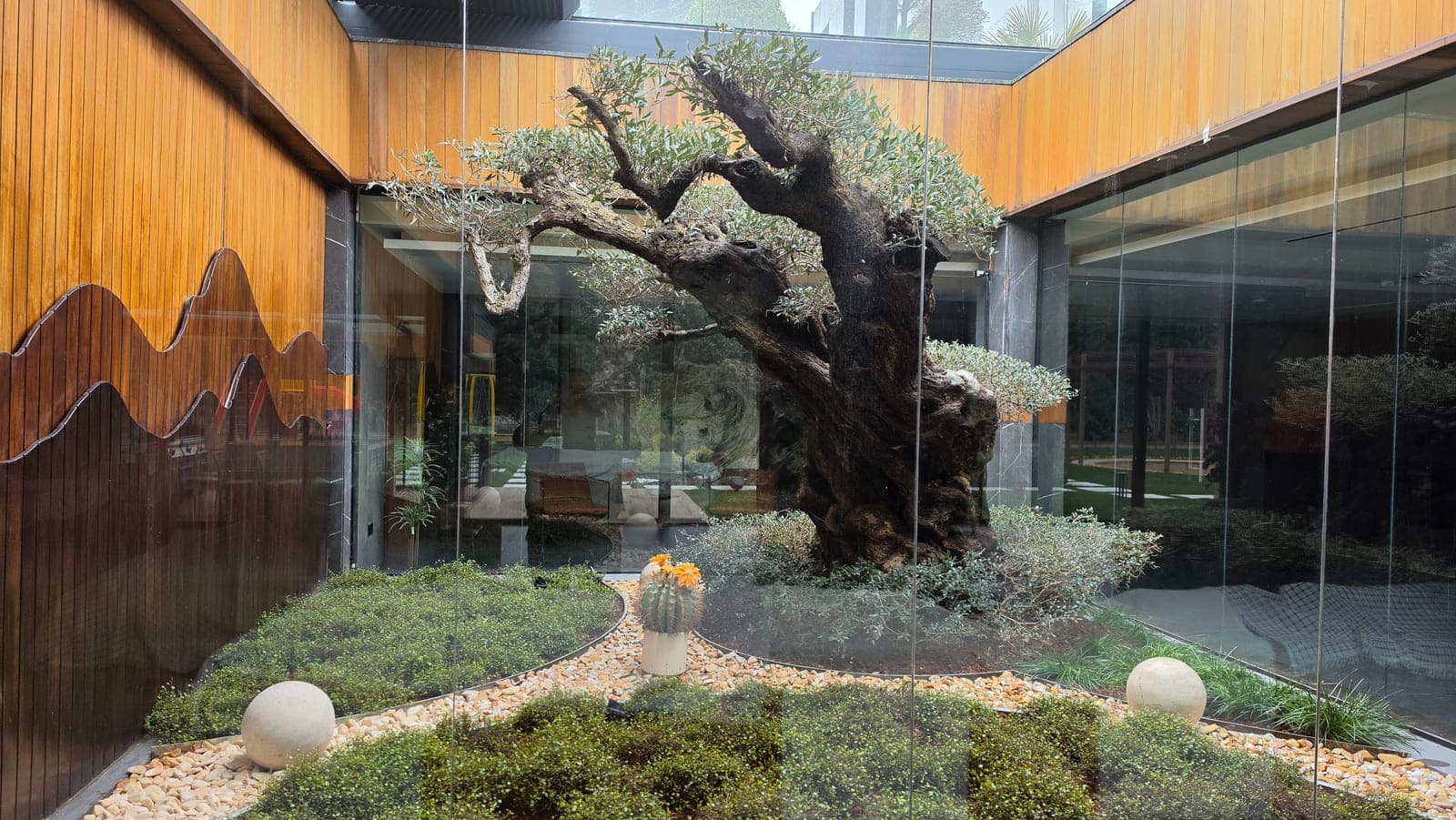 Craft & Heritage
How to Choose the Best Landscape Atelier in Istanbul: A Decision Framework
A villa garden is a fifty-year promise. The wrong atelier costs you twice — once in the planting, again in the replanting. Here is the framework we wish every villa owner used before signing the contract — five markers of a real atelier, four questions to ask, and the red flags that should send you walking.
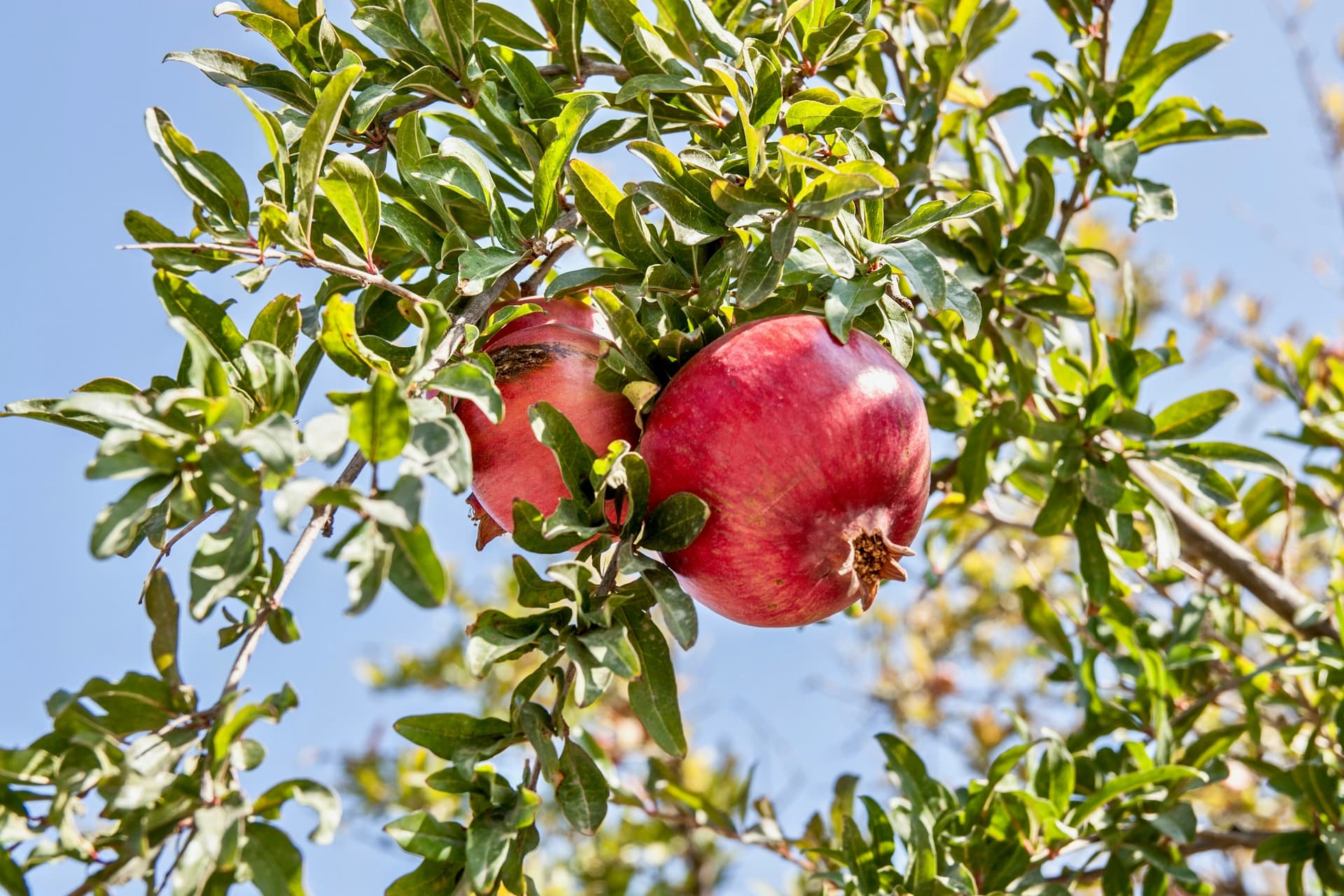 Craft & Heritage
The Pomegranate Tree: Heritage, Symbol, and the Fruit on Your Table
The pomegranate is not a tree for landscaping. It is a decision about where a family sits in relation to its memory. Seven thousand years of domestication, twelve centuries of Andalusian selection, and why we still plant it on every villa commission.
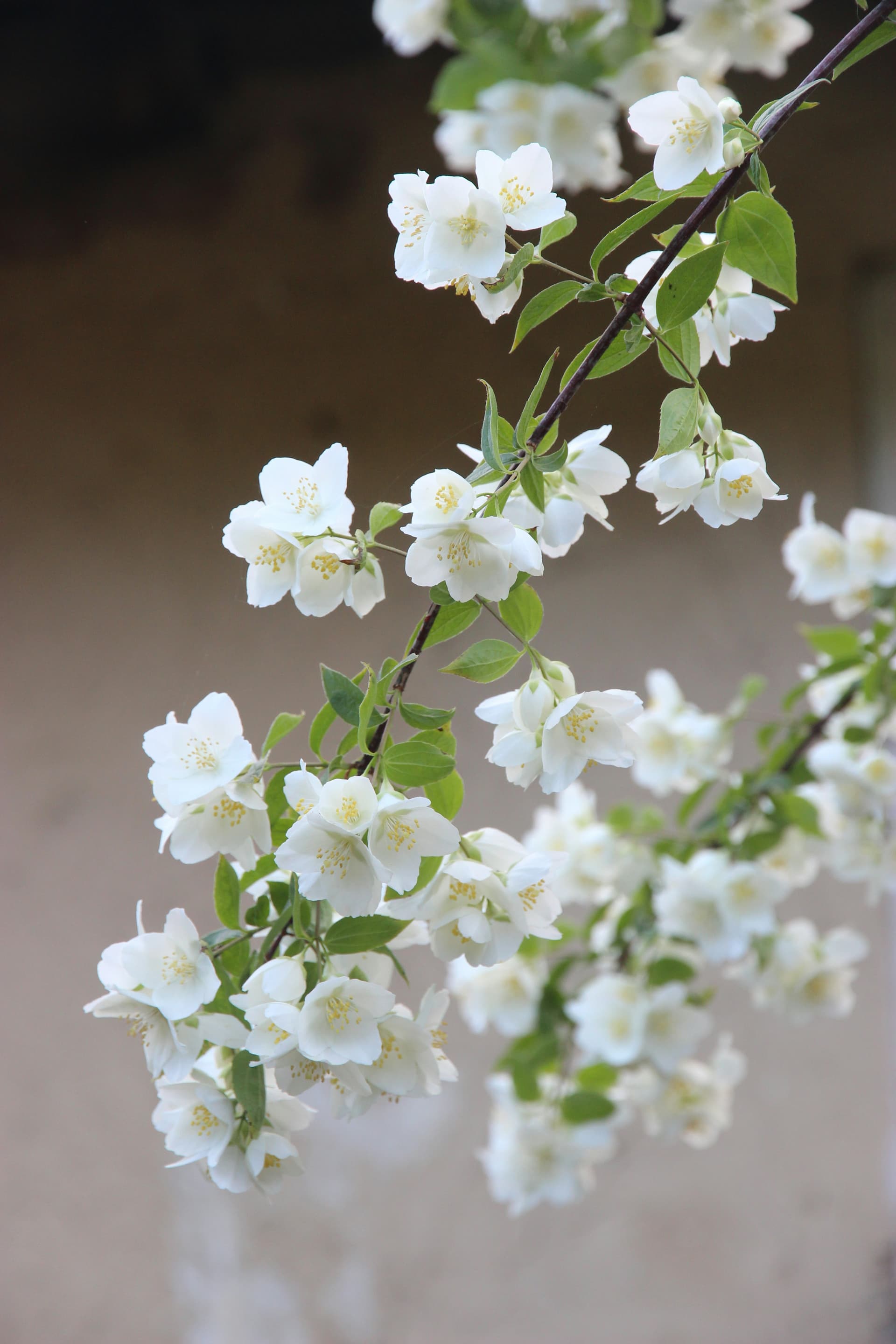 Craft & Heritage
Jasmine: The Fragrance That Built NAS
In 1965 the first nursery in Syria was named Mishtal Al-Ful Wal Yasmin — the Nursery of Jasmine — after a tree the founder's wife loved. Sixty years on, jasmine is still at the centre of what we do and why.
Editorial & digital direction
Written, designed, and built by MHD ZUHIR MADAMANI · Istanbul