How to Spot a Real Century-Old Olive Tree (and Avoid a Forgery)
"400 years old" is the most over-claimed phrase in the heritage-tree market. Here are the physical signs of a truly ancient olive — and how to verify a tree before it arrives at your garden.

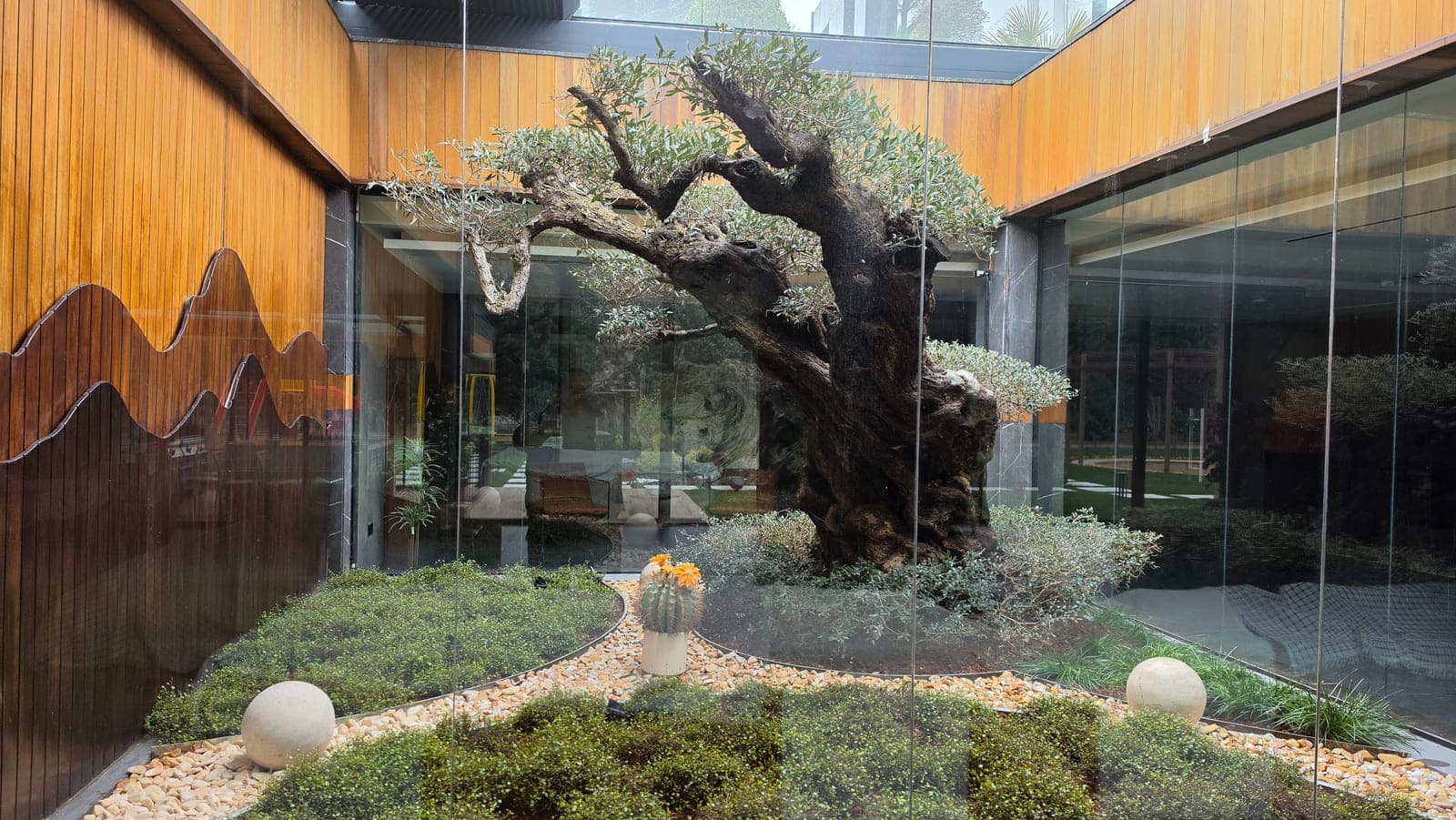
Photo: Unsplash
The market for heritage olive trees has a problem. Any seller with a twisted trunk and a price tag can claim the tree is "400 years old" and there is usually nobody stopping them. We have lost count of the times clients have sent us photos of newly-purchased "ancient" olives that, on inspection, turn out to be 60 years old at most.
Truly ancient olives do exist — trees of 300, 500, even 1,000 years are known — and they are among the most extraordinary objects a garden can hold. But they are rare, and they carry physical signatures that forgeries cannot reproduce. This is the guide we use at NAS when authenticating a heritage tree, distilled from three generations of working with olive specimens across seven countries.
Why age is so hard to verify
Unlike most trees, olives do not produce neat annual rings. The species forms irregular growth bands, hollows its trunk as it ages, and can regenerate from root suckers that obscure the original wood. You cannot simply cut a core and count.
What you can do is read the tree. An olive that has genuinely lived for centuries shows it in specific, verifiable ways. None of them, on its own, is conclusive. But together they build a picture that a forgery cannot assemble.
The eight physical signs
1. Scale of the trunk base (without pruning distortion)
A genuine century-old olive has a trunk that measures, at the widest point near the base, at least 1.5 metres in circumference (roughly 50 cm in diameter). A 400-year-old tree is commonly 3 to 5 metres in circumference, sometimes more. Be aware: sellers sometimes graft a young canopy onto an old stump, so check the bark transition zone carefully.
2. Hollowing of the trunk
Old olives hollow. This is not damage — it is the species' response to ageing, as heartwood decays and the tree continues living through its outer cambium ring. A genuine 200-year-old olive almost always has visible hollowing, often large enough to step inside at the 400-year mark. An olive with a solid, uniform trunk and no hollowing, regardless of how twisted the bark looks, is almost certainly under 100 years old.
3. Multiple trunks merging at the base ("polystem")
Many very old olives present as a cluster of trunks that share a common base. This is the result of decay in the original trunk followed by new shoots from the root crown over decades or centuries. A single, clean, vertical trunk without this clustering is typical of younger trees.
4. Bark structure
On a truly ancient olive, the bark is deeply fissured, with bands of rough grey-brown vertical ridges separated by darker crevices. The ridges can be 3 to 5 cm deep on a 300-year-old tree. On a younger tree (even a 60-year-old one shaped to look old), the bark is smoother, with shallower, more uniform fissures.
5. Lichen and moss ecology
A tree that has stood in one place for centuries accumulates a specific ecology — crustose lichens in multiple species, moss in sheltered crevices, sometimes small plants growing in the bark folds. A recently transplanted tree loses much of this within a year. A seller offering a heritage tree that looks scrubbed clean is offering something that either was not ancient or has been pressure-washed for sale.
6. Root crown character
The nebari (root flare) of an ancient olive is vast and complex. Roots rise out of the soil at the base of the trunk, spread two or three metres in radius, and often form visible buttresses. This takes centuries to develop. A tree with a narrow, clean root zone is not ancient regardless of how the canopy is shaped.
7. Canopy reduction and wound healing
Old trees have lived through many storms, prunings, and injuries. The canopy of a genuine 200-year-old olive will show multiple large healed wound sites — stubs where major branches were removed decades or centuries ago, now closed over by the tree's own bark. A canopy of uniformly young branches without these wound sites is suspect.
8. Documentation of provenance
This is the non-visual sign. A legitimate heritage olive arrives with paperwork: the terrace or grove it was removed from, the year, the arborist who supervised the removal, and the certificates required to move mature trees across borders. EU trees require phytosanitary certification. Trees from Spain, Italy, and Greece often have documented provenance through the rural-heritage protection schemes in those countries.
A seller who cannot answer "where was this tree standing five years ago" is selling something either stolen or fabricated. Walk away.
How NAS authenticates
When we source a heritage olive for a client, our own process includes:
- On-site visit to the grove or nursery to inspect the tree before removal
- Photographic dating — we compare current photos with historical aerial or ground photography where available
- Bark and trunk documentation — measurements, circumference at three heights, photograph record of hollowing and root crown
- Provenance paperwork — the contract with the grower or landowner, the phytosanitary certificate, the export permit if required
- Client briefing — we show the buyer the tree in the ground, or at our nursery, before final commitment
This is the difference between buying a tree and buying a story. The tree must match the story.
What a heritage olive should cost
As with any rare object, "cheap" should be a warning. A genuine 200-year-old olive, properly documented and containerised for transport, starts around €5,000 at the nursery gate for a moderate specimen. Exceptional 400 to 500-year-old specimens can reach €30,000 to €60,000 for unique trees. A tree offered at €800 and labelled "400 years" is almost certainly neither 400 years old nor legitimate.
We understand this is a lot of money for a plant. The value is in what the tree is: a sculpture by time that will, in a well-designed garden, outlive everyone involved. Buying one wrong is expensive. Buying one right is a multi-generational investment.
If you are considering a heritage olive
Contact the atelier. We source, document, and plant heritage olives for private villas, estates, hotels, and public commissions across Türkiye, the Gulf, the Levant, and Morocco. Every tree we sell comes with full provenance, photographic record, and our own arborist's written condition report. We plant, and we return to maintain. A heritage olive from NAS is not a transaction — it is a relationship with the tree that spans generations.
Send a brief to WhatsApp +90 535 422 5227. A real landscape architect will reply the same working day.
NAS Landscape · Nurseries in Türkiye and the Levant · Active in heritage olive supply since 1965 · Written by MHD ZUHIR MADAMANI, Istanbul.
◆ A real diagnosis, not a guess
Send a photo. Get a plan.
Our specialists handle cases like yours across Istanbul and the wider region. Share a photo on WhatsApp or book a free site visit — whichever is faster for you.
60+ years · 7 countries · 500+ projects · third-generation atelier
◆ More field notes
 Craft & Heritage
How to Choose the Best Landscape Atelier in Istanbul: A Decision Framework
A villa garden is a fifty-year promise. The wrong atelier costs you twice — once in the planting, again in the replanting. Here is the framework we wish every villa owner used before signing the contract — five markers of a real atelier, four questions to ask, and the red flags that should send you walking.
 Craft & Heritage
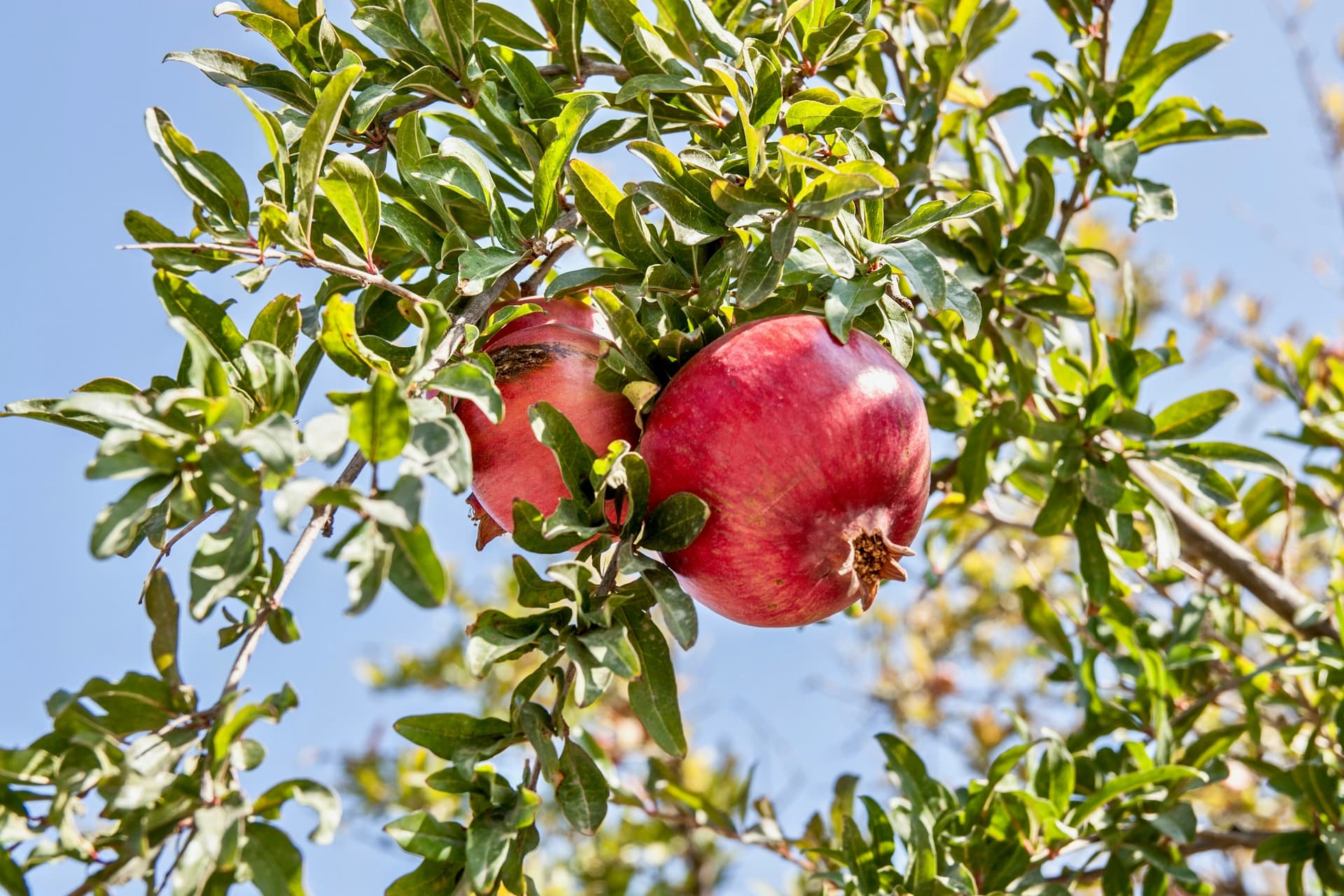
The Pomegranate Tree: Heritage, Symbol, and the Fruit on Your Table
The pomegranate is not a tree for landscaping. It is a decision about where a family sits in relation to its memory. Seven thousand years of domestication, twelve centuries of Andalusian selection, and why we still plant it on every villa commission.
 Craft & Heritage
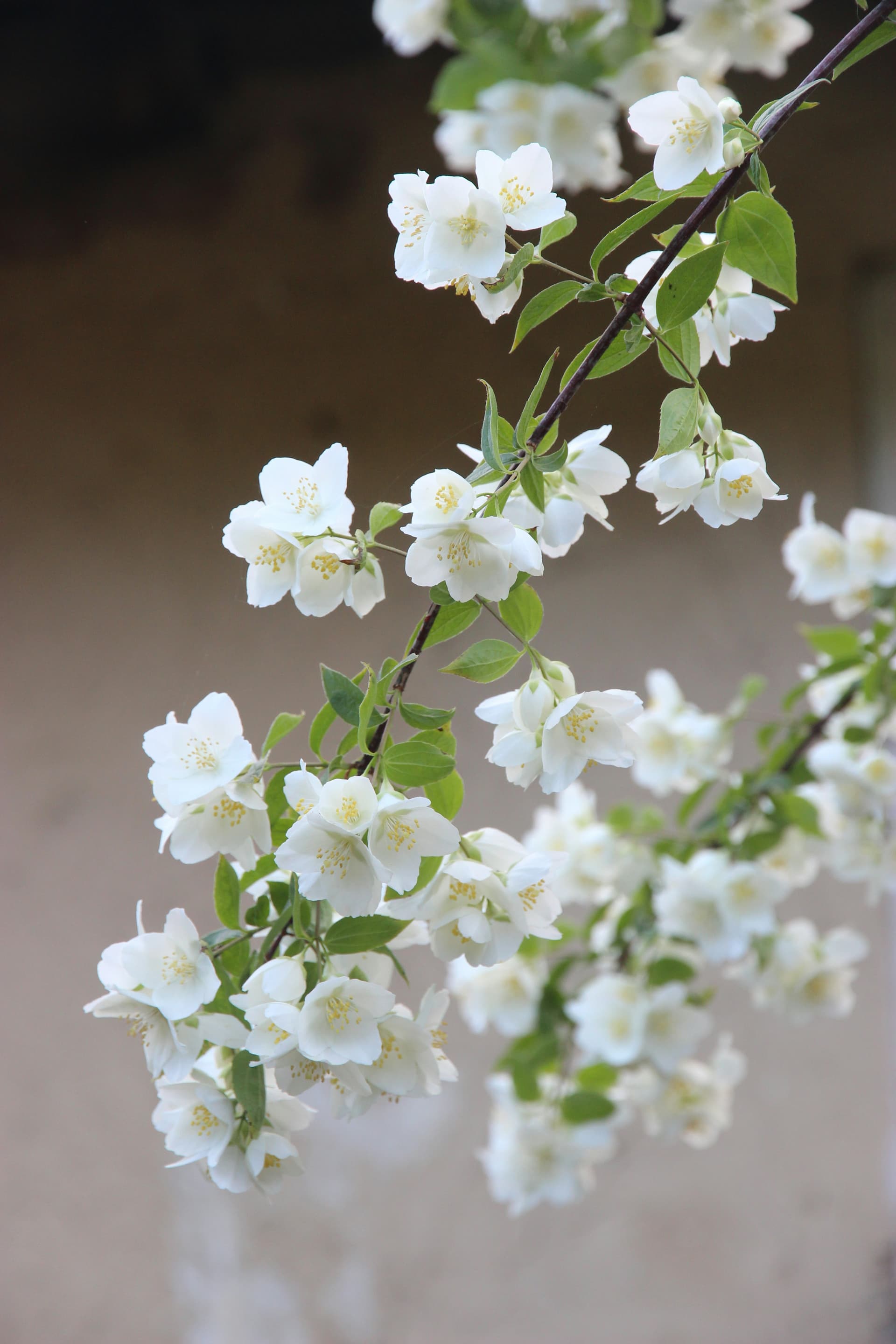
Jasmine: The Fragrance That Built NAS
In 1965 the first nursery in Syria was named Mishtal Al-Ful Wal Yasmin — the Nursery of Jasmine — after a tree the founder's wife loved. Sixty years on, jasmine is still at the centre of what we do and why.
Editorial & digital direction
Written, designed, and built by MHD ZUHIR MADAMANI · Istanbul