The Quiet Craft of Olive Trees
On why a tree that can live for a thousand years asks you to slow down — and what we have learned, over three generations, about earning its trust.
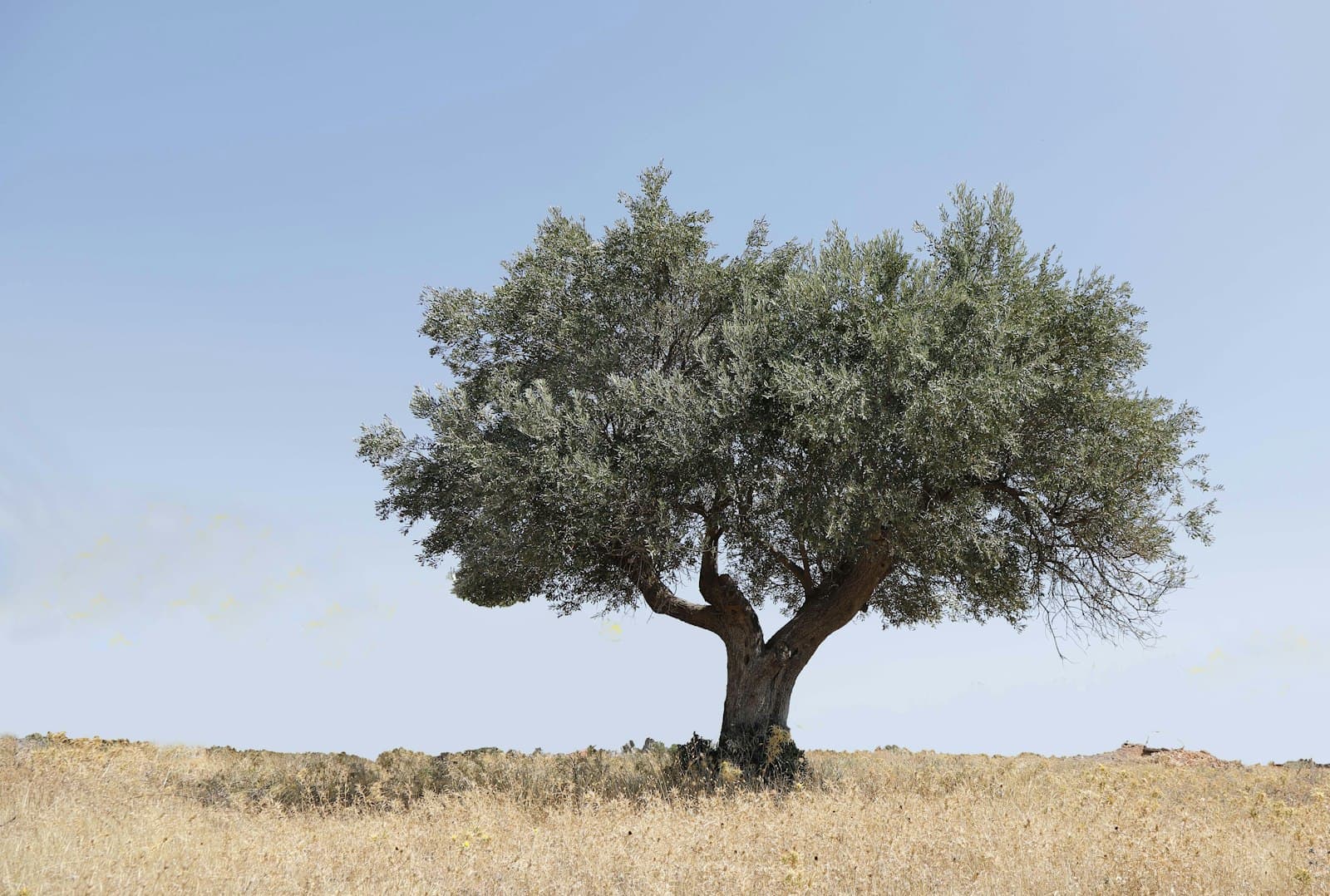
Photo: Vasilis Caravitis · Koropi, Greece · Unsplash
In our grandfather's notebook from 1968, there is a single line, underlined twice in pencil: "An olive tree does not reward a hurried hand." Sixty years and several hundred trees later, we still read that line before we plant.
Why olives are different
Most garden trees are patient. An olive is more than patient — an olive is old. The specimens we source for private estates and public courtyards are sometimes older than the borders of the country they come from. A four-hundred-year-old olive was a sapling when the Ottomans were still debating the Renaissance. By the time it arrives at a Gulf villa or an Istanbul garden, it has already outlived everyone who will ever stand in its shade.
This is not romance. It is a technical fact that changes everything about how you work with the tree.
A young plane tree will forgive a rough replanting. An olive will not. Its root system has quietly mapped decades of soil chemistry, drainage patterns, and mycorrhizal partnerships — a knowledge base the tree cannot re-acquire in its new home in anything less than two seasons. Move it badly, and it does not die; it simply refuses to flourish. For ten years. Twenty.
What "bonsai olive" actually means
The term travels faster than its meaning. In common use, "bonsai olive" gets applied to any olive under two metres with a dramatic trunk. In the atelier, we reserve the term for specific specimens: trees whose crown has been reduced — over generations, by successive caretakers — to sit in architectural balance with the trunk's mass.
A true bonsai olive is not small because it is young. It is small because it has been trained to be. That training is ninety percent absence: removing what does not belong, letting the trunk thicken and the silver-grey canopy tighten. It is ten percent presence: a single summer pinch, a winter cut to open the centre, a decision every third year about which leader stays.
We rarely cut in the first year a tree joins us. We watch.
The three habits we pass along
Clients who take delivery of a heritage olive receive, with the tree, three habits that our grandfather wrote into the first nursery ledger in 1965. They are not grand horticultural theory. They are the small disciplines the tree asks for.
Water once, deeply. An olive's roots follow water downward. A shallow daily sip trains the root system to stay at the surface, where the summer sun will kill it. One slow, deep watering — until the soil is wet to the first knuckle's depth, then dry between — teaches the tree that it must look down for what it needs. Every mistake with an olive begins with excess kindness.
Prune in late winter. The tree is dormant; you can see its architecture. Remove inward-pointing branches, open the centre so a dove could fly through it, cut nothing that is still pliable. The sap will rise in three weeks; whatever you leave will be the tree for the rest of the year.
Let the silver do its work. The underside of an olive leaf is silver for a reason: it reflects heat, conserves moisture, and glows a specific colour only in still air. When you place the tree, stand where you will eat your dinner and look at it. If the silver moves in the light, the position is right. If it sits dull, try six feet to the west.
The longer view
We maintain a small private grove outside Istanbul — thirty-one trees, the oldest almost six hundred years old, the youngest forty. None of them are for sale. Some were gifts from clients who were moving; others were rescued from developments where the alternative was the chipper. We do not water them daily. We do not fertilise them. Once a year, in the first week of March, a small team of four spends three days among them, and then leaves them alone until September.
The grove is how we train new hands. Before anyone on our team plants a client's olive, they have sat under these trees for at least one full season. It is a slow apprenticeship, but the trees themselves are the teacher. They reward patience; they punish hurry; they ask you — in the silence of an afternoon in May — to become someone a garden can trust.
A closing note
People sometimes ask us why the atelier works with so few clients a year, relative to the industry. The honest answer is this: the trees choose the pace. We could plant three times the gardens we do. We would also, within a decade, be planting three times the dead olives.
The trees we plant today will, if we have done our work carefully, be alive in the year 2226. That is not a marketing line. It is an obligation, and it is why we still sign every garden by hand.
NAS Landscape supplies heritage and bonsai olive trees from our own nurseries for private gardens, hospitality projects, and public commissions across Türkiye, the GCC, and North Africa. Enquiries: info@naslandscape.com.
◆ A real diagnosis, not a guess
Send a photo. Get a plan.
Our specialists handle cases like yours across Istanbul and the wider region. Share a photo on WhatsApp or book a free site visit — whichever is faster for you.
60+ years · 7 countries · 500+ projects · third-generation atelier
◆ More field notes
 Craft & Heritage
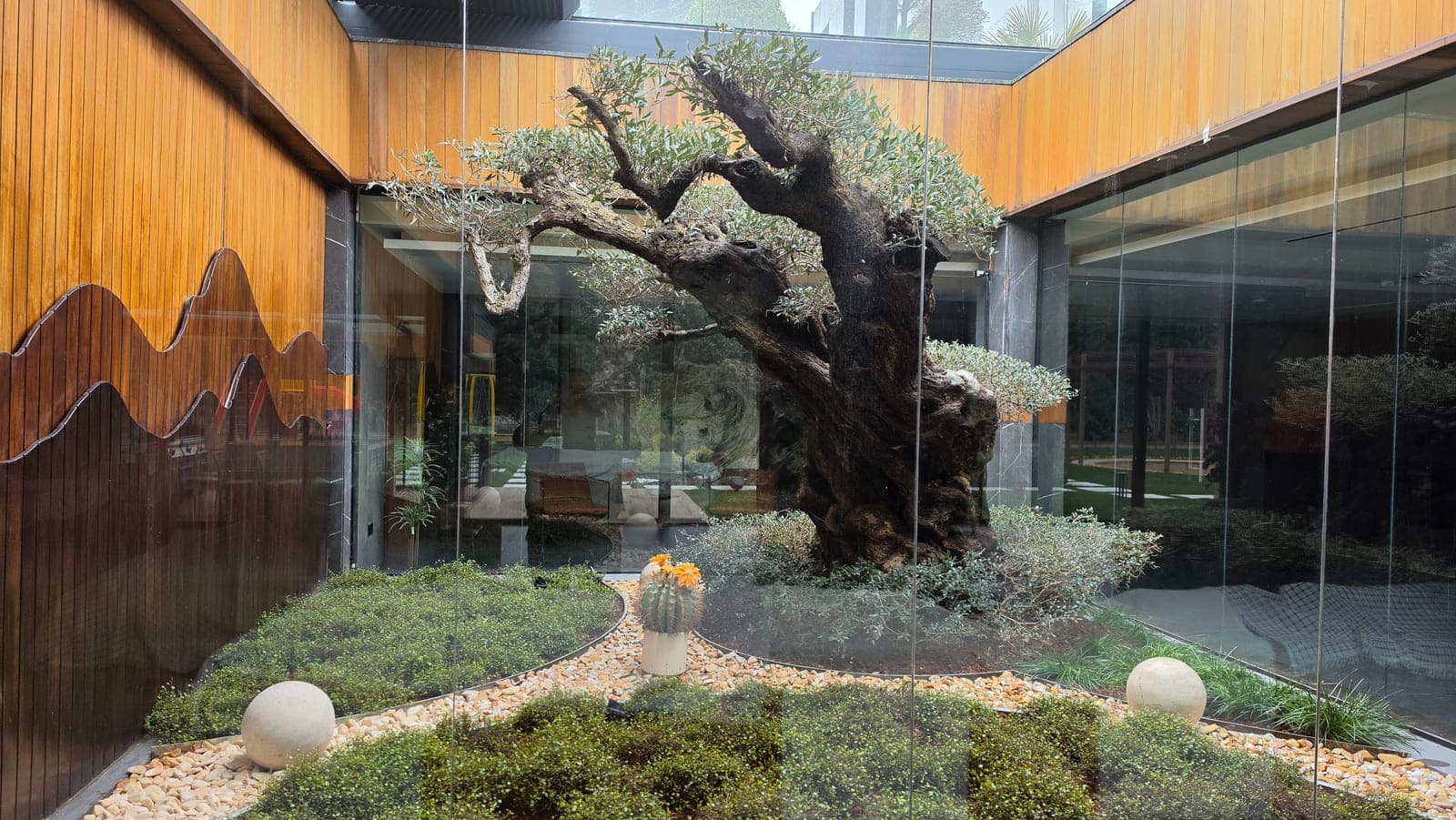
How to Choose the Best Landscape Atelier in Istanbul: A Decision Framework
A villa garden is a fifty-year promise. The wrong atelier costs you twice — once in the planting, again in the replanting. Here is the framework we wish every villa owner used before signing the contract — five markers of a real atelier, four questions to ask, and the red flags that should send you walking.
 Craft & Heritage
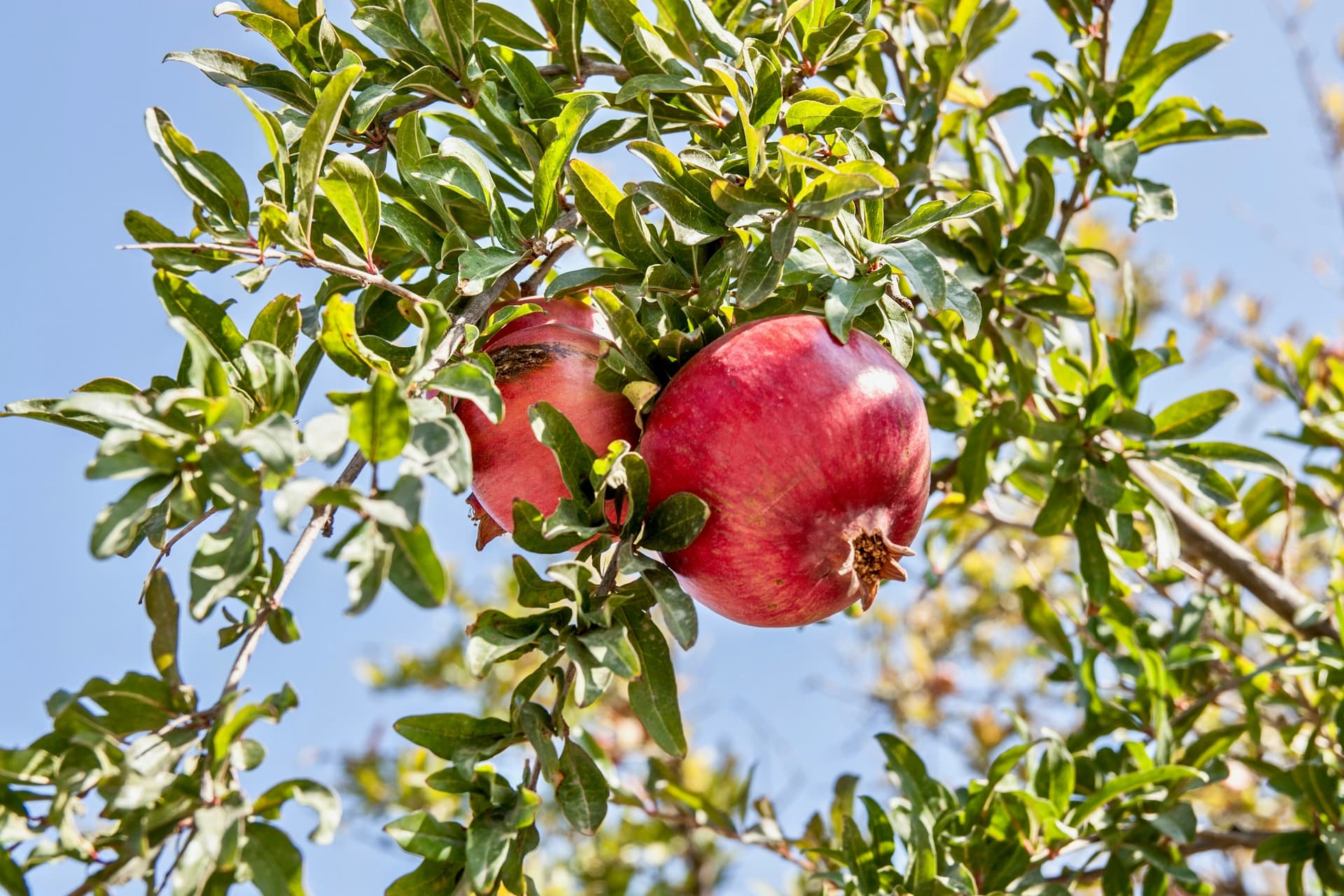
The Pomegranate Tree: Heritage, Symbol, and the Fruit on Your Table
The pomegranate is not a tree for landscaping. It is a decision about where a family sits in relation to its memory. Seven thousand years of domestication, twelve centuries of Andalusian selection, and why we still plant it on every villa commission.
 Craft & Heritage
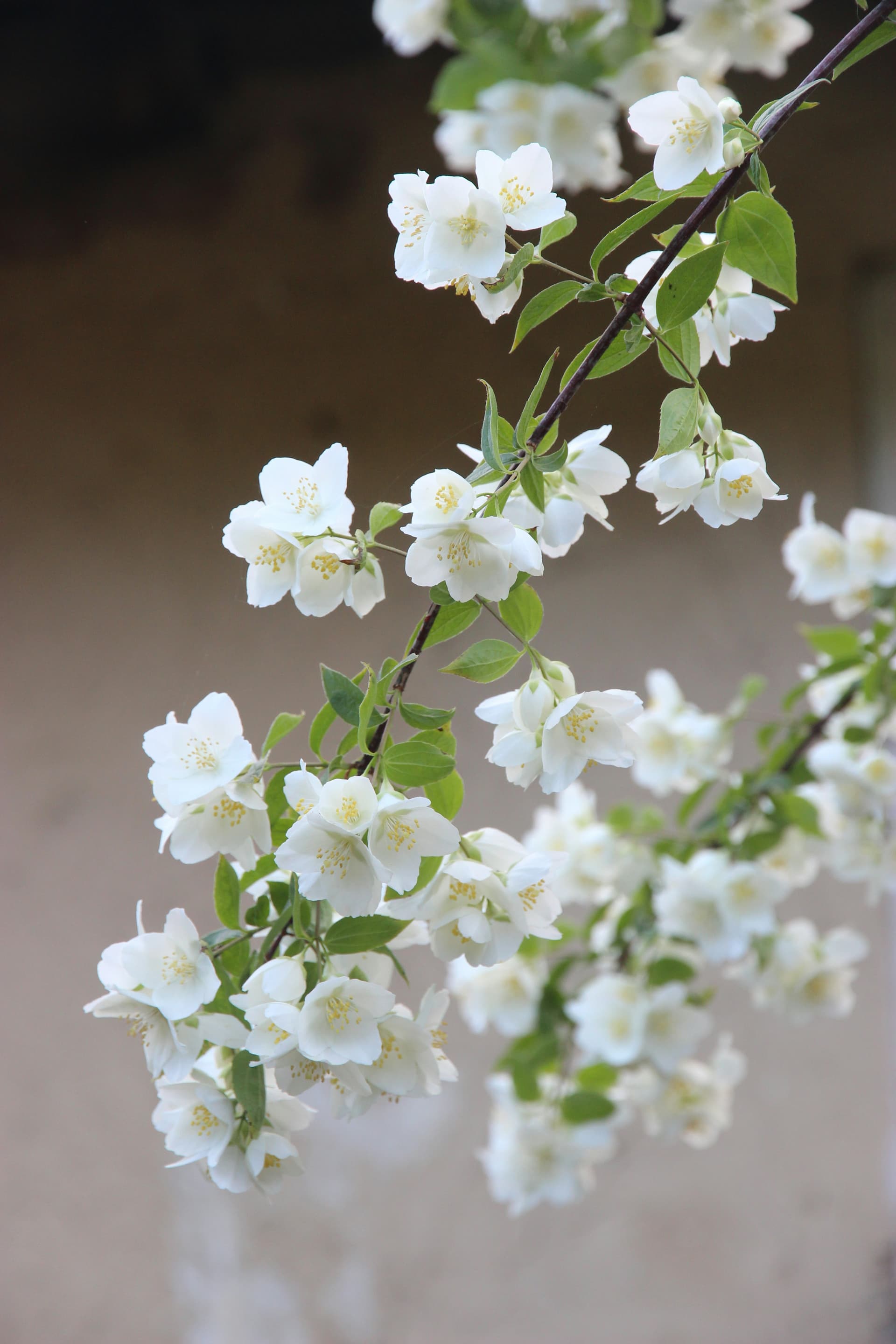
Jasmine: The Fragrance That Built NAS
In 1965 the first nursery in Syria was named Mishtal Al-Ful Wal Yasmin — the Nursery of Jasmine — after a tree the founder's wife loved. Sixty years on, jasmine is still at the centre of what we do and why.
Editorial & digital direction
Written, designed, and built by MHD ZUHIR MADAMANI · Istanbul