How to Plan a Gulf Villa Garden That Survives 45 °C Summers
A Gulf summer is not a Mediterranean summer. A design that works in Istanbul will die in Jeddah. Here is the atelier's framework for a villa garden built for 45 °C.
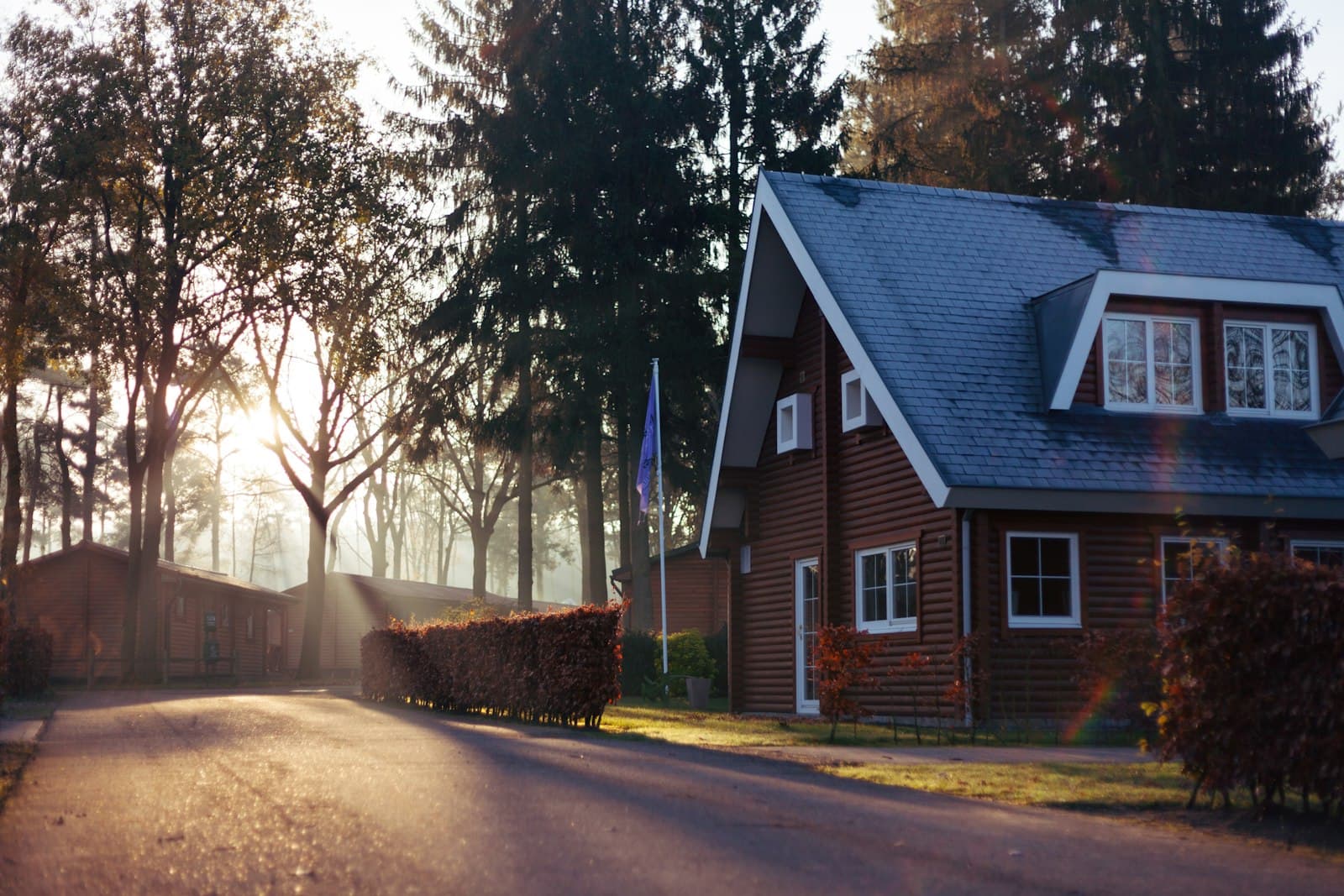
Photo: Unsplash
Having this problem in your own garden?
Get a free site visitA Gulf summer is a different climatic animal from a Mediterranean summer. For three months — June, July, August — daytime temperatures in Jeddah, Riyadh, Dubai, or Abu Dhabi sit between 42 and 48 °C, with night-time lows often above 30 °C. Sea-facing sites add punishing humidity; inland sites deliver relentless dry heat and sand-laden wind.
A Mediterranean garden design, imported without adjustment, dies quickly in this climate. Lavender melts. Roses collapse. Most "Mediterranean" plants that thrive in Bodrum are technically on the edge of their range there; twenty degrees hotter and they are past it.
This is the framework the NAS atelier uses when commissioned for Gulf villa gardens. It starts with acknowledging the climate honestly, and works from there.
The first decision — what the garden is for
A Gulf villa garden is used differently from a Mediterranean one. The usable hours are narrow: before 9 am and after 6 pm, from October through April. In midsummer, the garden is seen from air-conditioned rooms more than it is walked through. This changes the design brief completely.
We begin every Gulf project by asking: what are you buying? A view from inside? A private evening retreat? Entertainment space for large gatherings? Each answer points to a different garden.
Rule 1 — structure with deep-rooted, heat-honest plants
The core woody palette for a Gulf villa, tested across twenty-five years of NAS commissions:
- Trees: Date palm (Phoenix dactylifera), Ghaf (Prosopis cineraria — the UAE national tree), Sidr (Ziziphus spina-christi), Frankincense (Boswellia), old-growth Olea europaea, Conocarpus lancifolius (as screen only — see below).
- Shrubs: Oleander (carefully placed, away from children and dogs — leaves are toxic), Bougainvillaea, Plumeria, Caesalpinia, Hamelia patens, Jasminum sambac.
- Groundcovers: Lantana montevidensis, Verbena rigida, succulent groundcovers (Delosperma, Aptenia), native Sesuvium for coastal gardens.
Avoid: hydrangea, azalea, camellia, hosta, peony, most hostas — these will die or require greenhouse-level care that is not honest landscape design.
◆ NAS Landscape
Not sure if this applies to your garden?
The four causes above look alike from a distance but need different treatments. A 30-minute site visit from our specialist gives you the right answer — no guessing.
Request a free diagnosisRule 2 — shade is not a feature, it is a requirement
In a Mediterranean garden, shade is a design element. In the Gulf, shade is structural. A garden without a shaded outdoor room is unusable for five months of the year.
Design pergolas, shaded loggias, tent structures, or mature shade-trees into the earliest sketches. The shaded area should be at least 25 percent of the usable garden. Our rule of thumb: if the client wants to sit outside in April at 4 pm, that seat must be in shade with a line-of-sight breeze corridor.
Rule 3 — hardscape cools itself — choose materials that handle 60 °C surface temperatures
Concrete pavers reach 62 °C at 2 pm in July. Dark natural stone can reach 70 °C. Barefoot walking is then impossible. Use:
- Light-coloured limestone or travertine for paths and terraces
- White gravel or shell aggregate for ornamental areas
- Wood only in shaded zones (and only hardwoods — Ipe, Iroko, or seasoned teak)
- Cool-touch surfaces (tadelakt, pool-decking composites) around pool areas
From NAS's Jeddah and Riyadh work: we spec paving materials with a measured Solar Reflectance Index (SRI) of at least 50 for anywhere a guest might walk barefoot. Below 50 and the client will redo the paving within three years.
Rule 4 — irrigation is engineered, not improvised
A Gulf villa garden is impossible without smart irrigation. The infrastructure we install on every commission:
- Sub-surface drip at 20 cm depth, minimising evaporation and encouraging deep roots
- Moisture sensors in at least three zones to prevent waste during cool weeks
- Night irrigation only — between 2 and 5 am, when soil temperatures allow roots to actually absorb water rather than lose it to evaporation
- Greywater integration where local code allows — a villa's shower and laundry water is an enormous untapped irrigation source
- Mulch everywhere — 5 to 8 cm of gravel or organic mulch reduces evaporation by up to 70 percent and drops soil temperature by 10 °C
Rule 5 — the lawn question
Most Gulf villa clients want lawn. It is the hardest element to do well. Real grass in the Gulf means:
- Paspalum vaginatum (salt-tolerant, best for coastal properties)
- Zoysia matrella (denser, more drought-tolerant, our usual choice)
- Bermuda hybrids (cheapest, acceptable for large areas)
All require significant water — 8 to 12 litres per m² per day in peak summer. On estate-scale gardens, we increasingly specify turf only for the zone where it will be walked on and replace decorative lawn areas with gravel, sand, or native groundcover. The aesthetic result is actually more elegant — and the water bill drops by 60 percent.
Rule 6 — plan for the wind, not just the sun
Sand and dust storms are routine in inland Gulf sites (Riyadh, Dammam, Al Ain) from March through May. A villa garden open to the prevailing wind direction will be continually stripped of mulch, covered in dust, and stressed by abrasion.
Use windbreaks on the desert side — Conocarpus hedging, Casuarina, or mixed Prosopis plantings — placed before the primary garden beds are installed. Without this, most decorative plants survive two years, then fail.
Rule 7 — the evening garden
Because the garden is used primarily at night, lighting is as important as planting. Warm, low-level, indirect lighting transforms a Gulf garden. Avoid:
- Cool-white LED (reads as industrial, kills the evening mood)
- Uplighting of palms (done badly, flattens the silhouette)
- Pool lighting that leaks into planted areas
Use:
- 2700 K or warmer, dimmable
- Moonlighting from tree canopies (fixtures mounted high, pointing down through foliage)
- Path lighting at knee-height, never eye-level
- Candle and lantern moments for atmosphere — a villa garden is a theatre, not an airport
Rule 8 — maintenance is the difference between a good garden and a great one
Gulf gardens degrade quickly without skilled seasonal maintenance. The interventions most owners do not know to ask for:
- Spring deep-soak to leach salt accumulations (critical in coastal properties)
- Palm frond pruning and red palm weevil monitoring (see our separate guide)
- Summer mulch replenishment
- Autumn overseeding of cool-season annuals for winter colour
- Winter structural pruning and replacement of failed plants
NAS runs maintenance contracts on Gulf villas with one full seasonal visit plus monthly check-ins. Without this, the initial design degrades in three to five years. With it, the garden gets better for decades.
Who we work with in the Gulf
Our Gulf practice has delivered gardens for private residences in Jeddah, Riyadh, Dubai, and Abu Dhabi; hotel groups across the region; and Gulf royal-family estates. We supply mature trees from our own nurseries — a ten-year-old olive can be in the ground the week after commission, not the decade after. We engineer the irrigation, the hardscape, and the long-term maintenance plan.
If you are planning a new Gulf villa garden, or restoring a tired one, send a brief and photos to WhatsApp +90 535 422 5227 — a real landscape architect will review it the same working day. No charge for the first read.
NAS Landscape · Active across the GCC since the early 1990s · Established 1965, Damascus · Written by MHD ZUHIR MADAMANI, Istanbul.
◆ A real diagnosis, not a guess
Send a photo. Get a plan.
Our specialists handle cases like yours across Istanbul and the wider region. Share a photo on WhatsApp or book a free site visit — whichever is faster for you.
60+ years · 7 countries · 500+ projects · third-generation atelier
◆ More field notes
 Design
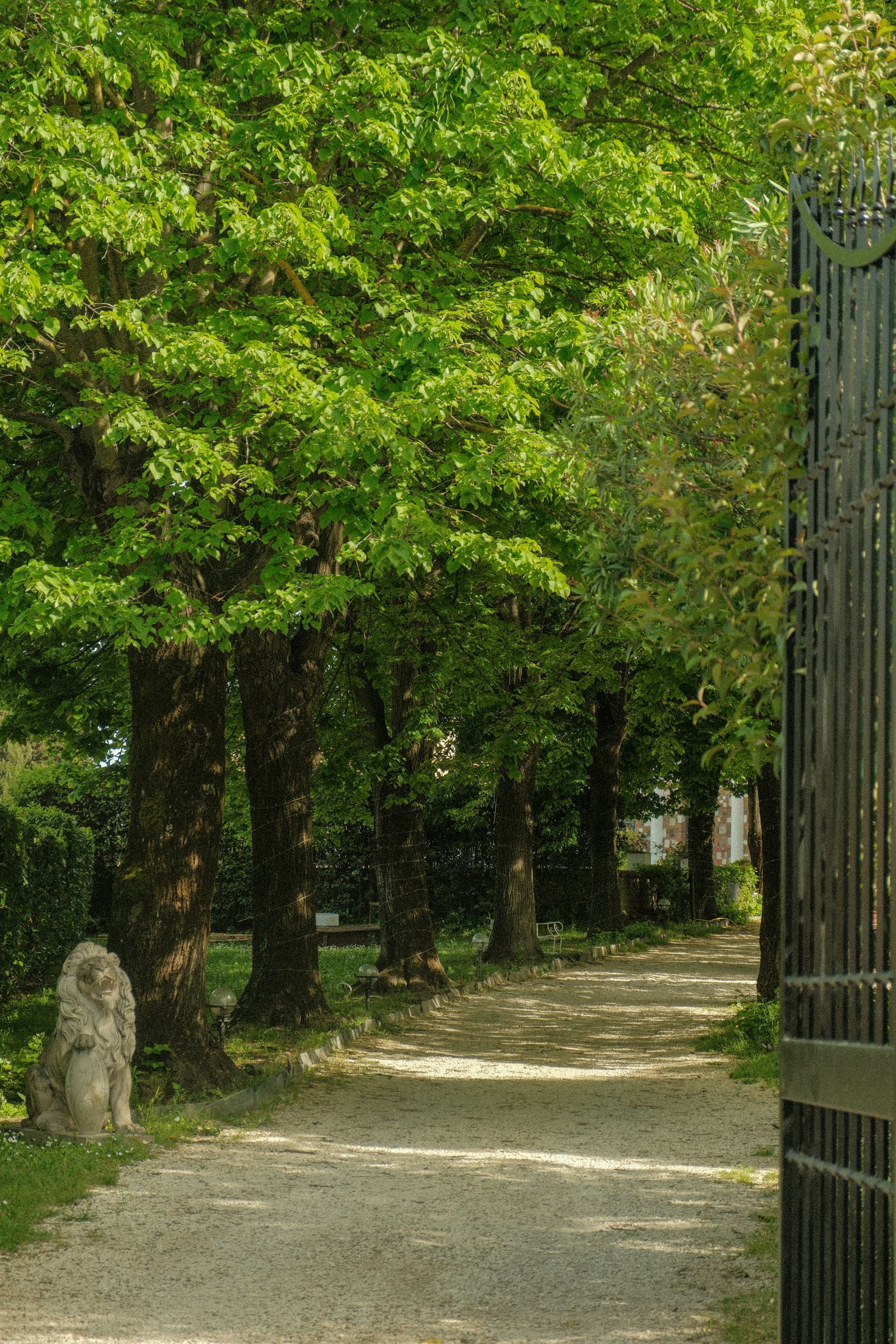
The Villa Entrance: How the First Thirty Metres Decide the Whole Garden
The garden a villa owner spends most of their budget on is rarely the one a visitor remembers. The entrance — the first thirty metres — carries every first impression, and is almost always treated as an afterthought.
 Design
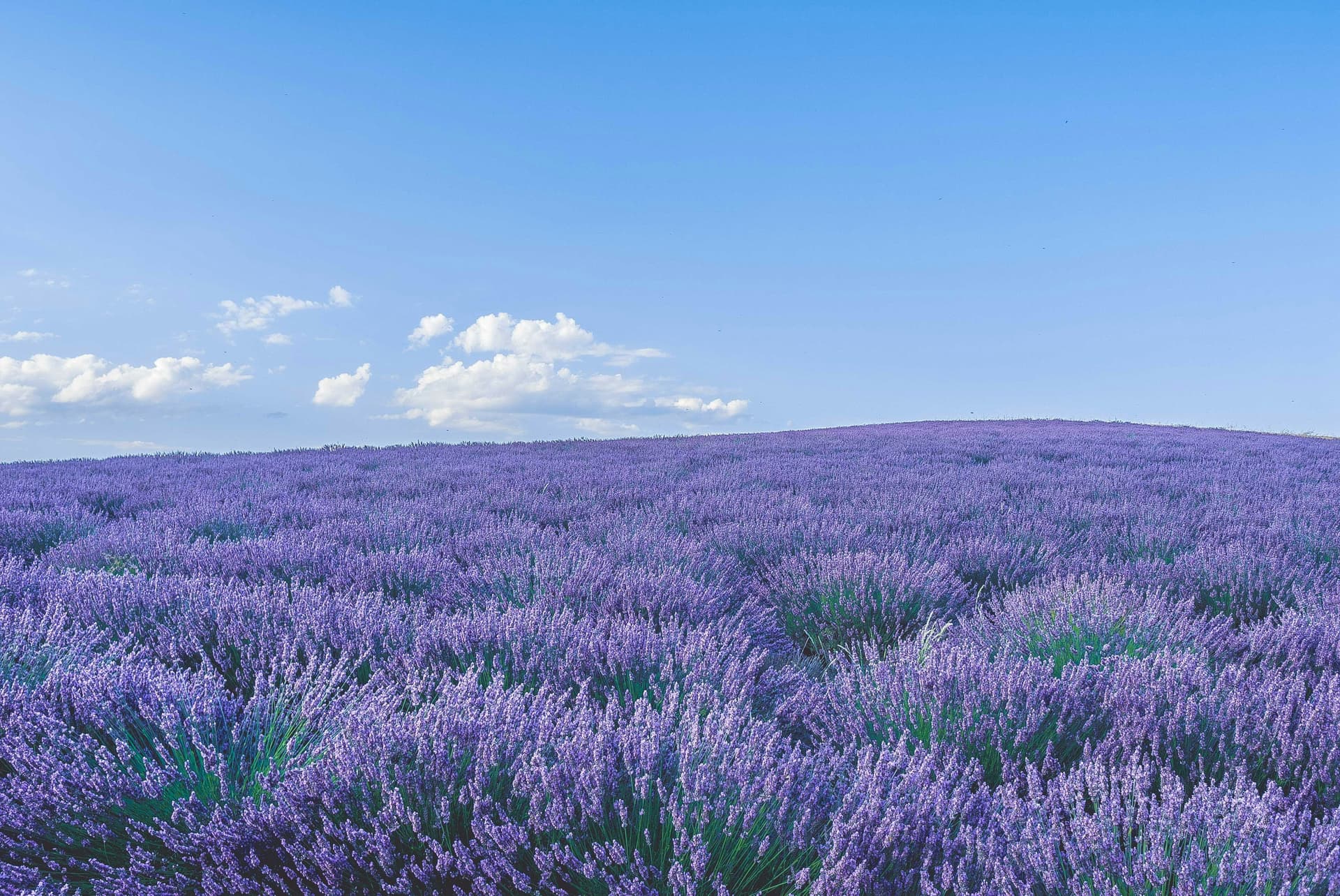
Lavender That Doesn't Die: Why Most Mediterranean Plantings Fail in Year Two
Almost every failed lavender is killed the same way: with kindness. Rich soil, regular water, spring care — and two seasons later the plant is woody, brown, and gone. Lavender wants the opposite.
 Design
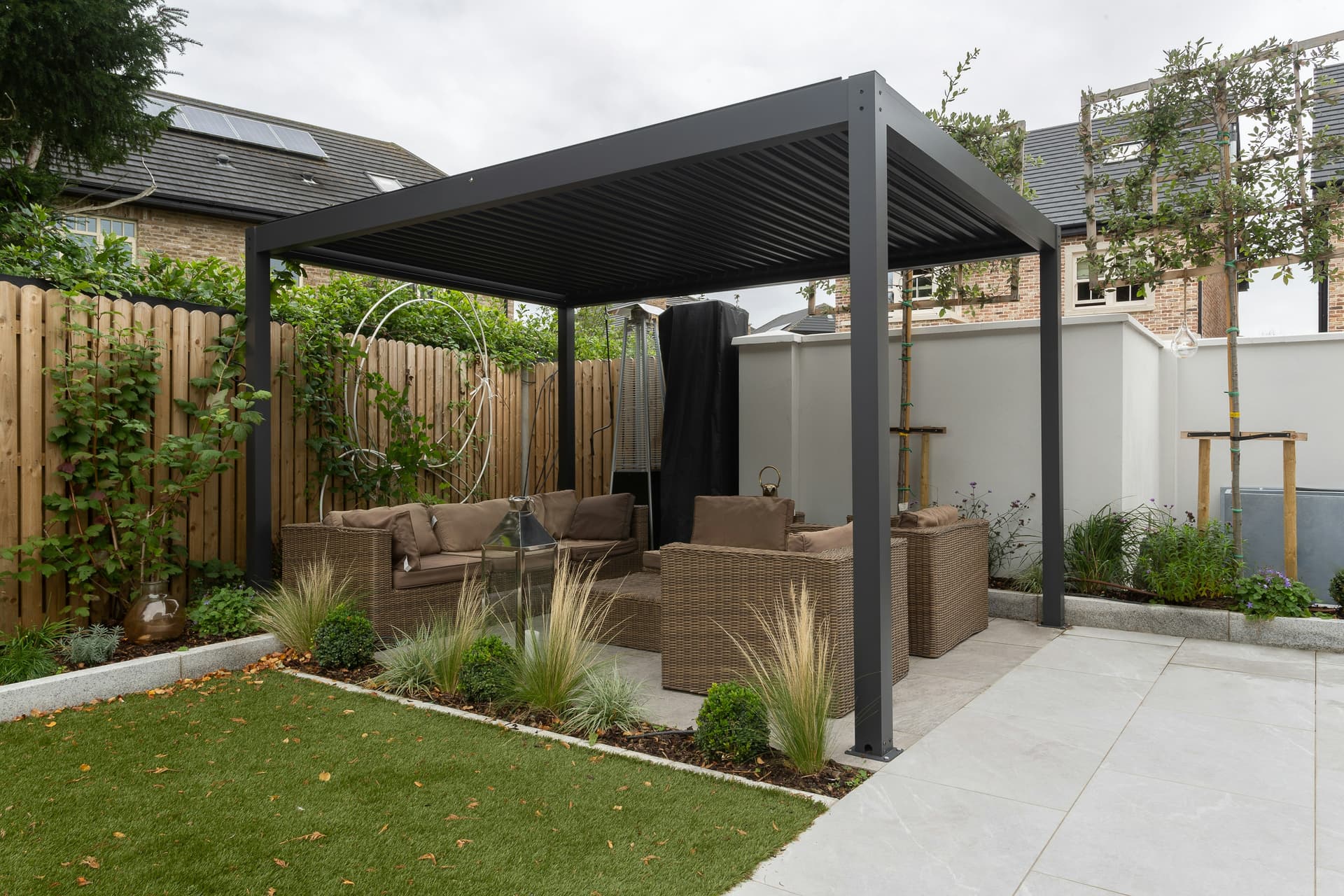
The Quiet Art of Garden Shade: How to Build a Villa Garden You Can Actually Use in August
The most expensive mistake a Mediterranean villa garden can make is to be unusable in August. Shade is a 10 °C climate intervention — the single most important design element — and it should be planned first, not last.
Editorial & digital direction
Written, designed, and built by MHD ZUHIR MADAMANI · Istanbul