Why Your Pool Landscape Dies in Year 2 (and How to Design One That Doesn't)
A villa pool built without landscape thinking wrecks the garden around it. Chlorine, reflected heat, builder traffic — all predictable and all preventable. Here is how the atelier designs pool gardens that last.
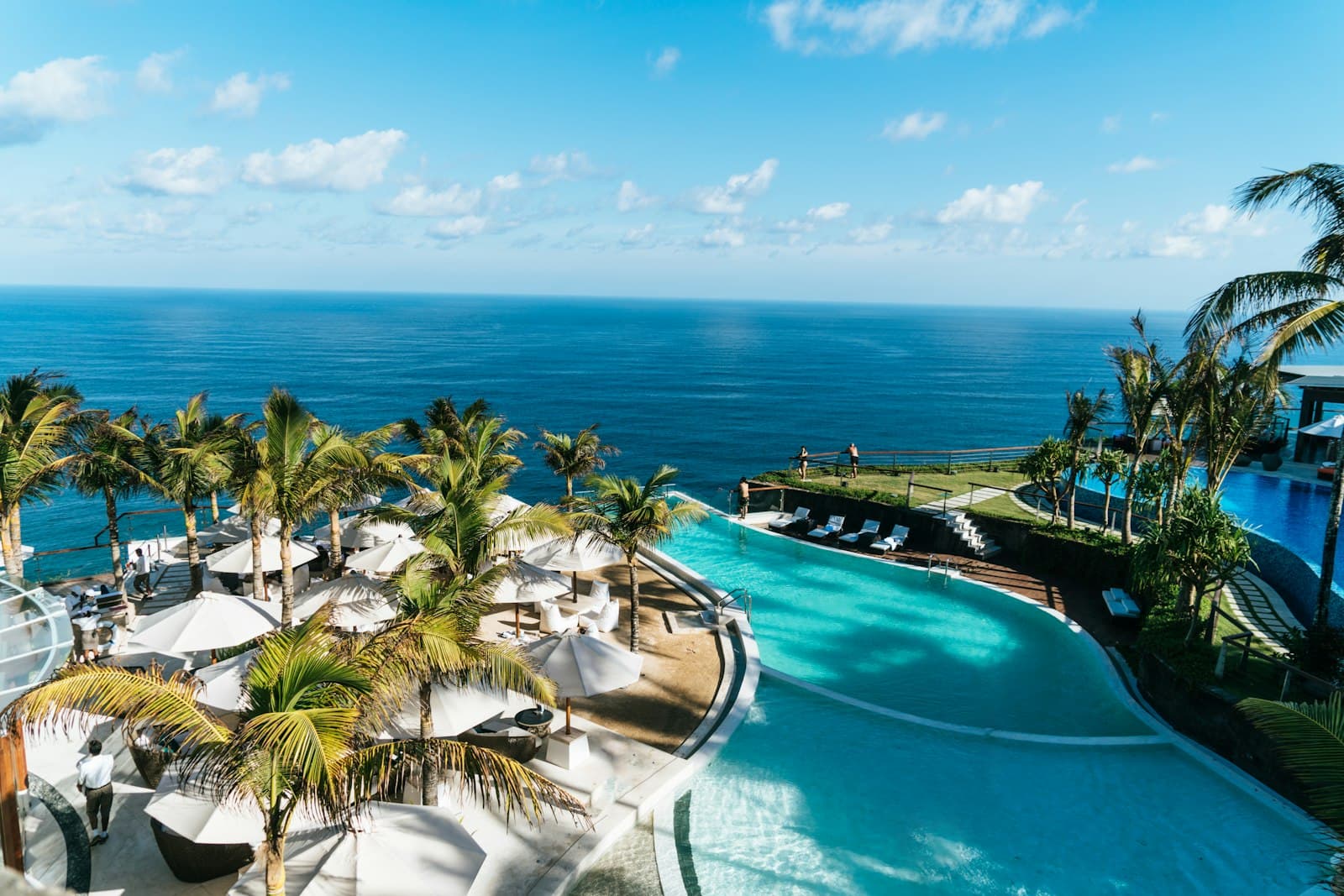
Photo: Unsplash
Having this problem in your own garden?
Get a free site visitAlmost every villa pool we are called to reassess tells the same story. The pool was built first. The landscape came second, rushed to finish before summer. By year two the plants nearest the pool are stunted. By year three half of them are dead. The hardscape has algae stains. The owner is spending weekends fighting the garden instead of enjoying it.
None of this is inevitable. A pool landscape that lasts thirty years — the same pool area looking better each year, planting deepening into maturity — is entirely achievable. It just has to be designed as one integrated piece, not two sequential projects.
This is how we approach a pool landscape commission at NAS, and the specific technical realities that determine whether a pool garden thrives or dies.
The three invisible killers
Before any plant is chosen, understand what makes the pool zone hostile:
1. Chlorine splash and evaporation. Pool water carries chlorine at 1 to 3 ppm. Splashed onto nearby soil and foliage, it burns tender growth and, over years, accumulates in the soil as chloride salts that stunt sensitive plants. Every plant within 2 metres of the waterline must be chlorine-tolerant or it will fail within two summers.
2. Reflected heat and UV. A light-coloured pool deck reflects 60 to 80 percent of incident sunlight upward into the foliage of adjacent plants. This doubles the UV and heat stress on anything planted within 3 metres of the deck. Dark-coloured decks are worse — they store and re-radiate heat overnight, preventing nearby plants from cooling.
3. Construction damage. The pool build itself compresses the soil within 5 metres of the excavation, damages any existing root systems, and covers beds in cement dust. Any planting done immediately after construction must live with compacted, alkaline, impoverished soil unless the ground is rebuilt. This is why "pool complete, then plant" produces dying gardens.
The design order that works
Our sequence on villa pool commissions:
Step 1 — integrated masterplan. Before any digging, we draw the pool, the surrounding hardscape, the planting beds, and the irrigation as a single document. The pool exists inside a landscape, not adjacent to one.
Step 2 — soil protection during construction. Critical and almost always skipped. We mark the planting beds and protect them with plywood barriers during pool construction. Any soil contaminated by cement, excavation spoil, or machinery traffic gets stripped and replaced before planting. Not a compromise.
Step 3 — pool deck material, matched to the planting. The deck reflects light and heat onto adjacent plants — so the deck material decides what can be planted nearby. Light honed limestone or travertine with an SRI of 55 or higher is the working default. Dark stones, dark composite decking, or dark concrete are aesthetic disasters for the surrounding garden over years.
Step 4 — zoned planting. Three zones radiating from the water:
- 0 to 2 m (splash zone): chlorine-tolerant species only (see list below). Often the best answer is hardscape, gravel, or minimal planting.
- 2 to 5 m (heat zone): heat and reflective-light tolerant species, usually silver-leaved or needled evergreens.
- 5+ m (general garden): standard Mediterranean palette, with consideration for the pool still in the visual composition.
Step 5 — irrigation zoned independently. Pool-area plants have very different water needs from general garden. They get their own valve, their own schedule, and sub-surface delivery that stays out of chlorine splash zone. Never share a zone between pool plantings and lawn.
◆ NAS Landscape
Not sure if this applies to your garden?
The four causes above look alike from a distance but need different treatments. A 30-minute site visit from our specialist gives you the right answer — no guessing.
Request a free diagnosisPlants that actually work near pools
For the 0 to 2 m splash zone, plants that survive chlorine splash over years:
- Lavandula stoechas and Lavandula dentata — more chlorine-tolerant than English lavender
- Rosmarinus officinalis (rosemary) — prostrate cultivars good for edges
- Phormium tenax — structural, architectural, bulletproof
- Agave, Aloe, Yucca, Dasylirion — succulent groundcovers and accents
- Ophiopogon japonicus (mondo grass) — ground cover
- Pennisetum setaceum, Muhlenbergia capillaris — ornamental grasses that handle splash well
Avoid in the splash zone:
- Hydrangea, camellia, azalea, hosta — sensitive to any salt/chlorine
- Cotton lavender (Santolina) — looks right but chlorine-intolerant
- Most roses — the foliage burns
- Young citrus in pots — the chlorine burns emerging leaves
For the 2 to 5 m heat zone:
- Olive trees — provided the deck is light-coloured and reflective
- Cypress, pine — tolerant of reflected heat and UV
- Pomegranate (ornamental) — tolerates heat and produces for years
- Bougainvillea (in frost-free climates) — thrives on heat and reflection
- Plumbago auriculata — handles heat, chlorine splash less than perfect but acceptable
The hardscape decisions that matter
Deck width. A pool deck narrower than 1.5 metres feels unsafe and forces foot traffic onto adjacent beds. A deck wider than 3 metres becomes a heat island. 1.8 to 2.5 metres is the correct range for villa pools.
Deck texture. Honed or tumbled stone only. Polished is lethal when wet. Smooth concrete is too slippery. Rough-sawn stone with a CoF (coefficient of friction) above 0.5 dry / 0.3 wet is the technical spec we use.
Drainage. A pool deck with no drainage channel accumulates splash water that stains, grows algae, and seeps into adjacent beds over-wetting the plants. A continuous linear drain around the deck perimeter, sloping to a collection point, is essential. Not optional.
Shade. An unshaded pool in Istanbul or the Gulf is unusable from 12 to 16:00 in summer. Design a pergola, shade sail, or canopy tree at commission — retrofit shade is always compromised.
The visual design question
A pool landscape must resolve a difficult question — does the pool want to look like it belongs to the garden, or the garden look like it belongs to the pool?
Our bias: the garden is the host, the pool is the guest. The pool should sit inside the landscape as an architectural feature among trees and stone, not as the focal point everything else supports. This approach ages better. Pools that dominate their gardens look like hotels. Pools that are held by their gardens look like villas.
Design moves that help:
- Frame the pool with mature trees, not just ornamental shrubs. A pool seen through the branches of an olive reads as a garden pool. A pool on open deck reads as a commercial pool.
- Extend the pool coping into the surrounding stonework so the pool reads as embedded in the ground, not attached to it.
- Vary deck width around the perimeter — wider on the entertaining side, narrower on the landscape side.
- Repeat pool-side plants elsewhere in the garden, visually tying the pool area to the rest.
What a correctly designed pool landscape costs
From recent NAS commissions in Istanbul and the Gulf:
- Integrated soil-protection during pool construction: €2,000 to €5,000 additional to pool build
- Full hardscape around pool (20 to 35 m² of honed limestone or travertine): €15,000 to €35,000
- Planting and irrigation in the surrounding 40 to 80 m²: €10,000 to €25,000
- Mature trees and specimen plants (olive, pine, palm) as landscape anchors: €5,000 to €20,000
Total pool-landscape package: €35,000 to €85,000 on top of the pool itself for a villa-scale project.
Less than that and either the pool or the landscape is compromised. This is the honest number.
What if the pool is already built and the garden is failing?
Remediation is possible. The sequence:
- Soil audit — test the soil within 5 metres of the pool for chloride levels and pH. Replace contaminated soil.
- Replant with correct species. Kill off what is failing and replace with the chlorine and heat-tolerant palette.
- Rebuild drainage around the deck perimeter to stop future contamination.
- Upgrade the deck to light-coloured stone if the existing dark deck is cooking the plants.
This costs roughly 50 to 70 percent of a new build — significant but often more economical than the slow failure of trying to keep the wrong plants alive.
When to bring us in
We design pool landscapes as part of our villa commissions across Türkiye, the Turkish coast, the Gulf, and the Levant. Whether the pool is being planned, under construction, or already failing to integrate with the garden — send us the site plan and a few photos on WhatsApp +90 535 422 5227. A real landscape architect will review it the same working day and propose the right intervention.
NAS Landscape integrates pool and garden design for private villas, estates, resorts, and royal residences across seven countries. Established 1965, Damascus. Written by MHD ZUHIR MADAMANI, Istanbul.
◆ A real diagnosis, not a guess
Send a photo. Get a plan.
Our specialists handle cases like yours across Istanbul and the wider region. Share a photo on WhatsApp or book a free site visit — whichever is faster for you.
60+ years · 7 countries · 500+ projects · third-generation atelier
◆ More field notes
 Design
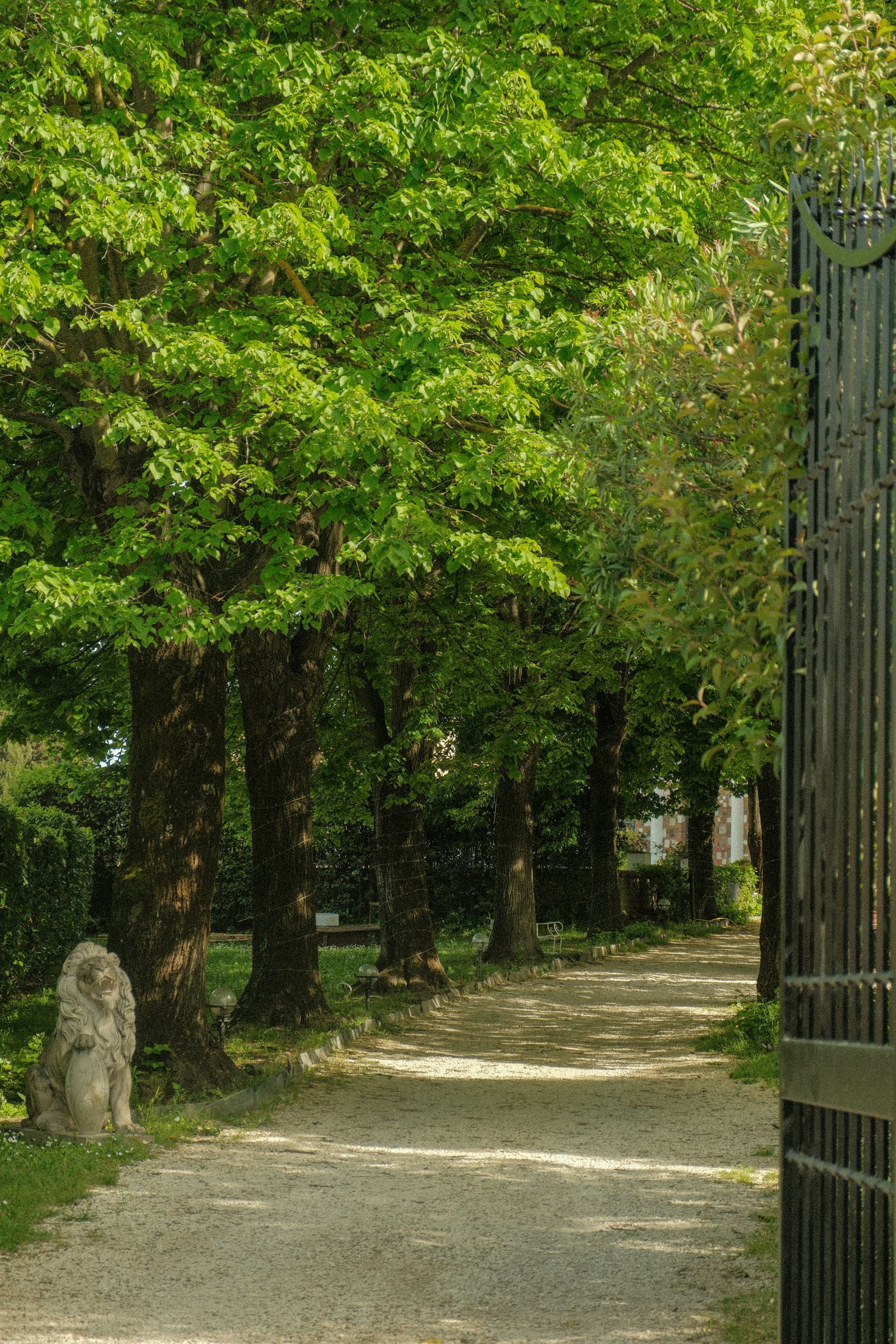
The Villa Entrance: How the First Thirty Metres Decide the Whole Garden
The garden a villa owner spends most of their budget on is rarely the one a visitor remembers. The entrance — the first thirty metres — carries every first impression, and is almost always treated as an afterthought.
 Design
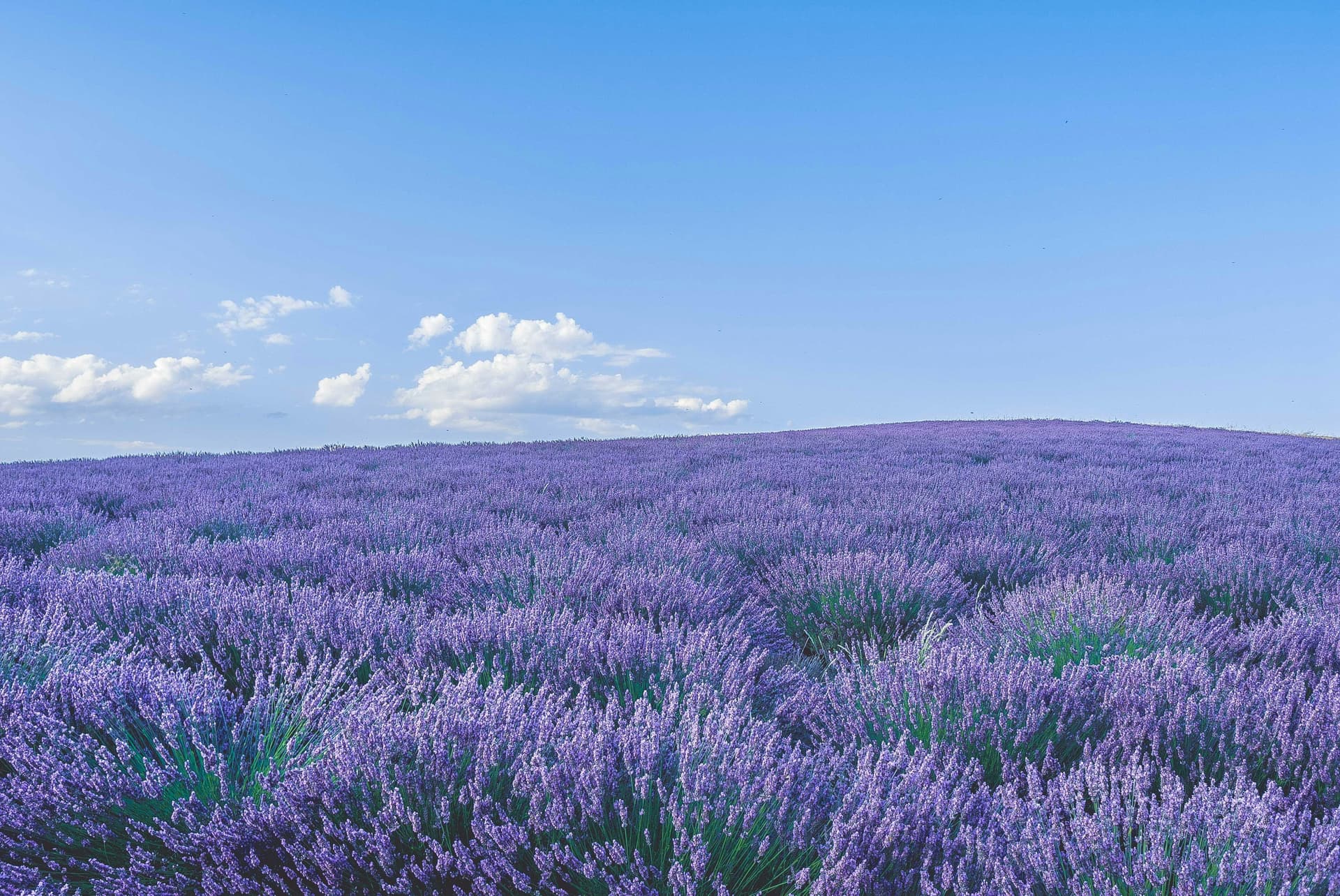
Lavender That Doesn't Die: Why Most Mediterranean Plantings Fail in Year Two
Almost every failed lavender is killed the same way: with kindness. Rich soil, regular water, spring care — and two seasons later the plant is woody, brown, and gone. Lavender wants the opposite.
 Design
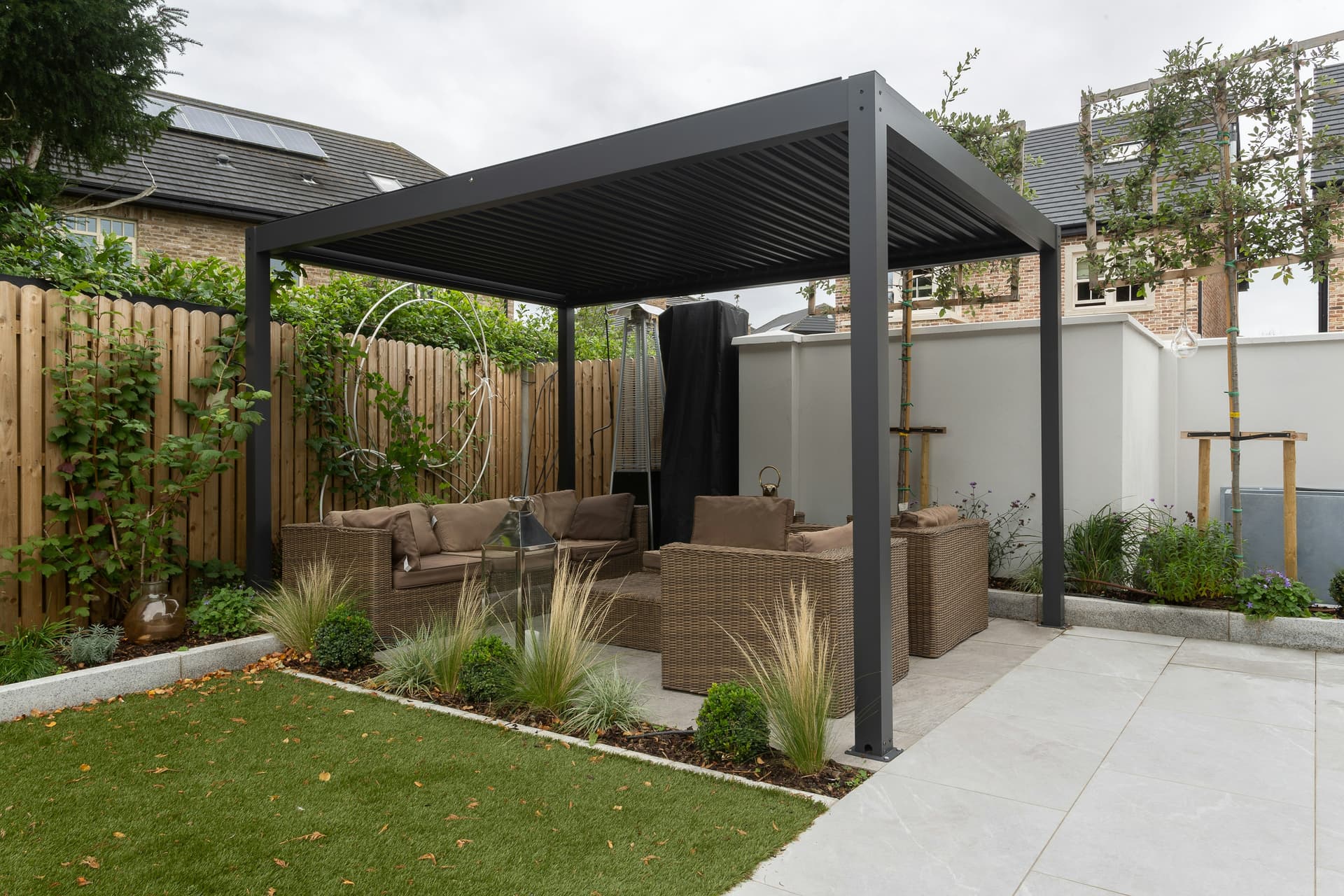
The Quiet Art of Garden Shade: How to Build a Villa Garden You Can Actually Use in August
The most expensive mistake a Mediterranean villa garden can make is to be unusable in August. Shade is a 10 °C climate intervention — the single most important design element — and it should be planned first, not last.
Editorial & digital direction
Written, designed, and built by MHD ZUHIR MADAMANI · Istanbul