Mediterranean Garden Design: 9 Rules Every Villa Owner Should Know
A Mediterranean garden is not a style. It is a response to a specific climate, soil, and light. Nine rules, honed across sixty years of atelier work from Damascus to Marrakech.
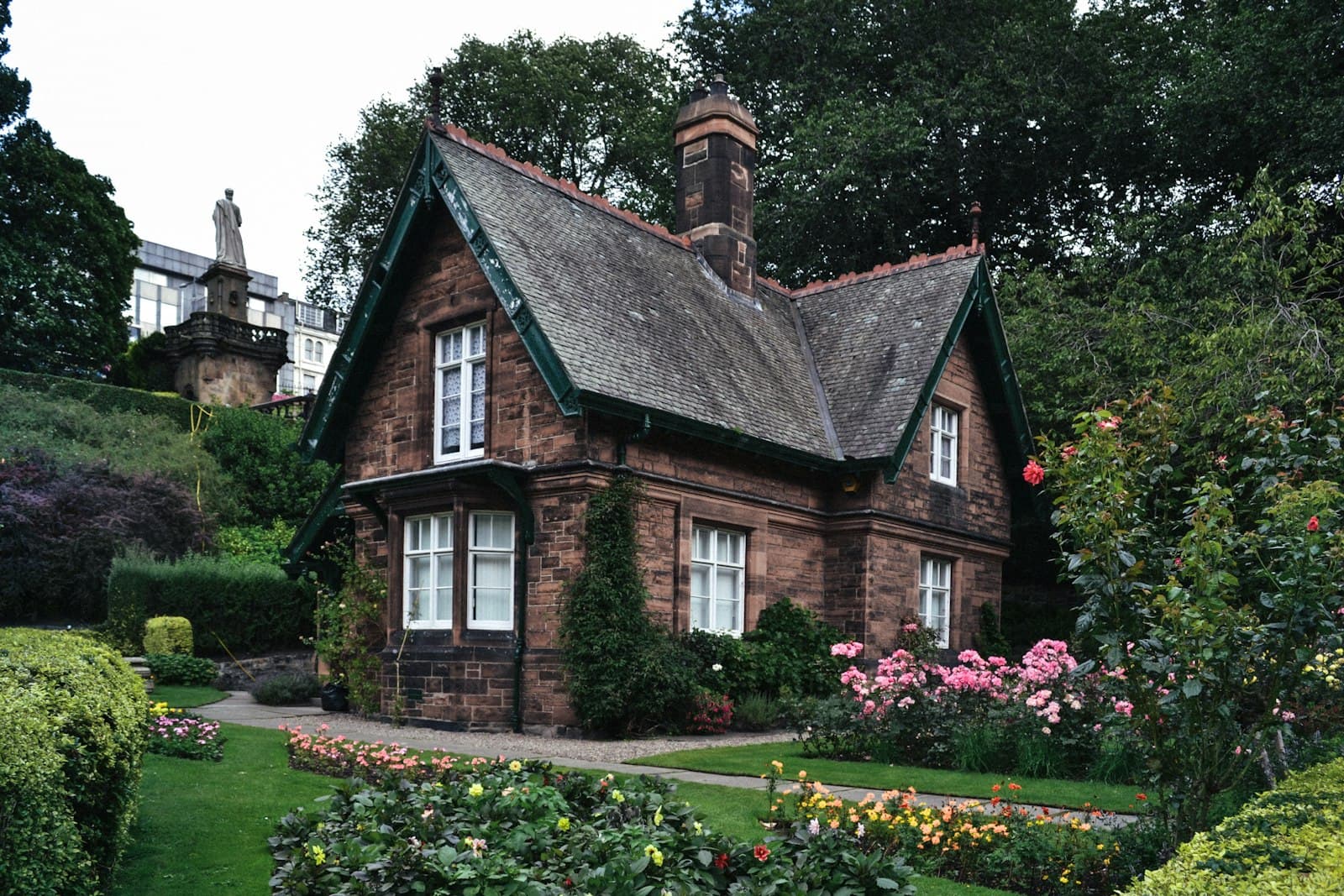
Photo: Unsplash
A Mediterranean garden is not a "style" you pick from a catalogue. It is the only garden that survives, elegantly and for decades, in the specific climate that runs from the Turkish coast through the Levant to North Africa — hot dry summers, mild wet winters, alkaline soil, intense light. Everything else is a garden that will fight the site for its entire life.
Our atelier has worked this climate since 1965. These are the nine rules we hold to, on villa commissions from Bodrum to Marrakech to the shores of Bahrain, and the reasons each one exists.
Rule 1 — Start with the microclimate, not the plant list
A villa garden is rarely one site. It is four or five — the south-facing terrace at 45 °C in August, the shaded courtyard at 32 °C, the windswept rooftop, the enclosed garden behind a wall. Each needs a different plant palette. The single most common failure we are called to repair is a beautiful species put in the wrong microclimate: a hydrangea in full Gulf sun, a bougainvillaea in a shaded Istanbul yard.
Before any plant is chosen, we spend a morning with a thermometer and a light meter walking the site. Write down the peak temperature and the hours of direct sun for each zone. The plant list follows from that — never the other way round.
Rule 2 — Accept the local palette before you reach for the exotic
Olive, cypress, pomegranate, fig, carob, bay, rosemary, lavender, sage, myrtle, jasmine. This is the core palette of the Mediterranean garden for a reason — these plants evolved on this coast, in this soil, under this sun. They ask for nothing. They are beautiful for every month of the year, not just in bloom.
Exotics can be used — we plant hibiscus, plumeria, and Strelitzia in Gulf estate gardens when the client wants them — but they are the accent, not the structure. The structure is always local.
Rule 3 — Prioritise silver, grey, and deep green over bright variegation
Mediterranean light is hard. Bright chartreuse foliage and white-variegated leaves that look gorgeous in an English garden wash out into a green-and-white glare under a Turkish August sun. Silver-leaved plants (olive, lavender, artemisia, cineraria) reflect the light and sit calmly. Deep glossy green (carob, bay, orange) drinks the light and gives visual weight. Variegation is reserved for deep shade only.
Rule 4 — One hard colour, not three
Walk any well-composed Mediterranean garden in Provence, Andalucia, or Damascus and you will notice that the flowering palette is almost never a rainbow. It is one strong colour — usually a purple (lavender, wisteria, bougainvillaea), or a white (jasmine, gardenia, cistus), or a yellow (genista, santolina) — carried across the garden in several different plants. This makes the garden feel composed, like a room with a consistent paint choice rather than a jumble.
Pick your one colour. Build the rest of the garden in green and silver.
Rule 5 — Respect the water, visually and literally
Water is precious in the Mediterranean basin. Use it honestly. A small fountain, a shallow channel cut into stone paving, a single large urn filled to the brim — these read as luxury. A large swimming-pool-style water feature in a rain-starved climate reads as waste.
On the technical side: every Mediterranean villa garden should be on drip irrigation zoned by microclimate. No sprinklers except on a lawn. Water at dawn, not in the heat. A well-designed system uses 40 to 60 percent less water than overhead irrigation and keeps foliage dry, which almost entirely prevents fungal disease.
Rule 6 — Hard surfaces do most of the work
In this climate the garden is used in the evening, not through the heat of the day. This changes the design calculation fundamentally. Most of the visual surface a villa client experiences from their windows is hardscape — terraces, paths, walls, pergolas — not planting.
Spend the hardscape budget generously. A well-laid travertine terrace, a limestone wall, a shaded pergola of seasoned wood, a reflecting pool lined in tadelakt — these will be beautiful for forty years. Planting can be refreshed every decade.
Rule 7 — Shade is a design element, not an afterthought
In summer, shade is currency. Plan it at the same time as you plan the planting. A deciduous tree placed fifteen metres south-west of a terrace gives cool summer shade and drops its leaves to let winter sun through — a garden-science lesson the Ottomans knew five hundred years ago.
Pergolas draped in wisteria or old vine deliver the same function, more architecturally. A well-shaded terrace in the Levant is ten degrees cooler than an unshaded one at 2 pm. That is the difference between a garden that is used and one that is only photographed.
Rule 8 — Every element must survive in drought
Irrigation fails. Pumps break. The owner goes on a summer trip and a gardener forgets. A Mediterranean villa garden must be designed so that even if the drip system stops for two weeks in August, nothing dies — only slows, shrinks, rests. This is what native plants give you. This is what ornamental imports cannot.
Before any plant leaves the nursery for a villa commission, we ask: can this survive three weeks without water in July? If no, it does not go in.
Rule 9 — Plant as if the garden will be your grandchildren's
The client who commissions a villa garden at fifty will not live to see its mature form. Olive trees, cypresses, carobs, stone pines — these reach their beauty at forty years, their majesty at a hundred. Plant young and patient.
A heritage olive we transplant to a new villa in Çekmeköy today was already sixty when the client's grandfather was born. It will outlive everyone we have ever met. Design with that scale in mind — the garden is not a possession, it is a custodianship.
Where the atelier fits
NAS Landscape has carried these rules across seven countries and five hundred projects since 1965. Our Istanbul atelier delivers villa gardens across Çekmeköy, Zekeriyaköy, Beykoz, and the Turkish coast. Our Gulf and Levant practices have delivered estates in Jeddah, Riyadh, Amman, and Damascus. The nursery at the centre of it all holds heritage olive specimens, century-old bonsai, and the mature trees that give a garden its bones on the day of planting.
If you are planning a new villa garden, or restoring a tired one, send a photo and a few sentences to WhatsApp +90 535 422 5227 — a real landscape architect will look at it the same working day. No charge for the first read.
NAS Landscape · Damascus 1965 · Istanbul today. Written by MHD ZUHIR MADAMANI.
◆ A real diagnosis, not a guess
Send a photo. Get a plan.
Our specialists handle cases like yours across Istanbul and the wider region. Share a photo on WhatsApp or book a free site visit — whichever is faster for you.
60+ years · 7 countries · 500+ projects · third-generation atelier
◆ More field notes
 Design
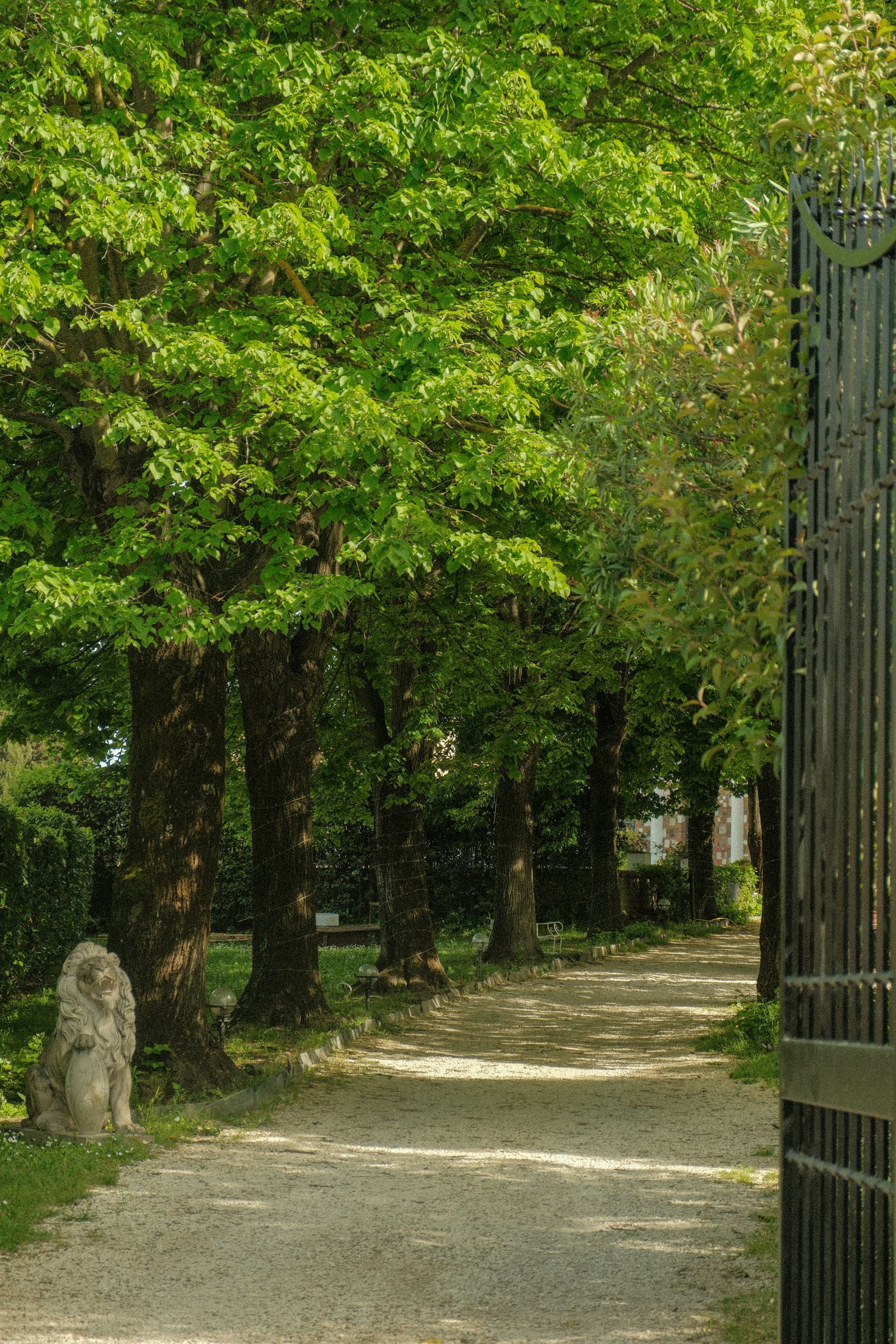
The Villa Entrance: How the First Thirty Metres Decide the Whole Garden
The garden a villa owner spends most of their budget on is rarely the one a visitor remembers. The entrance — the first thirty metres — carries every first impression, and is almost always treated as an afterthought.
 Design
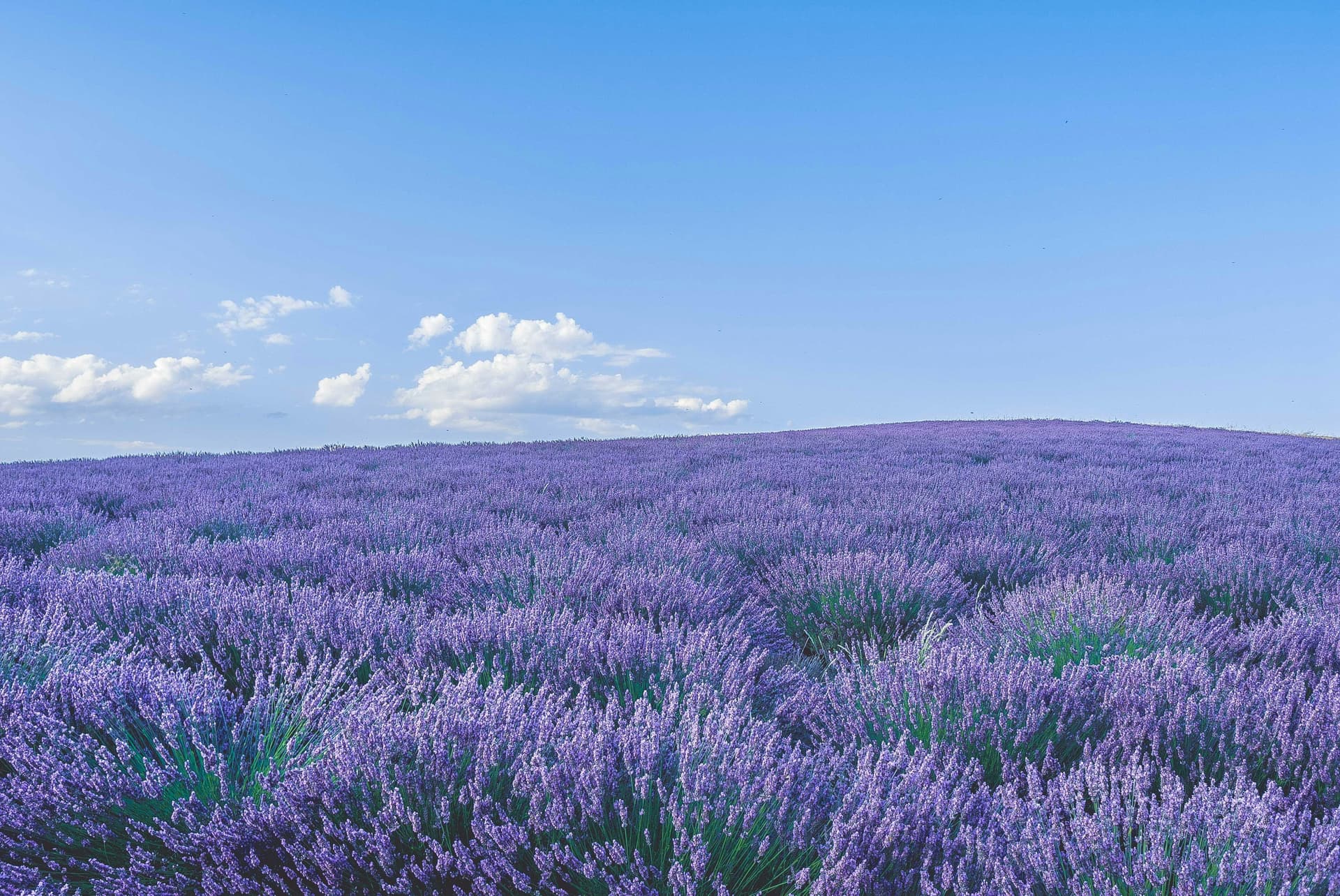
Lavender That Doesn't Die: Why Most Mediterranean Plantings Fail in Year Two
Almost every failed lavender is killed the same way: with kindness. Rich soil, regular water, spring care — and two seasons later the plant is woody, brown, and gone. Lavender wants the opposite.
 Design
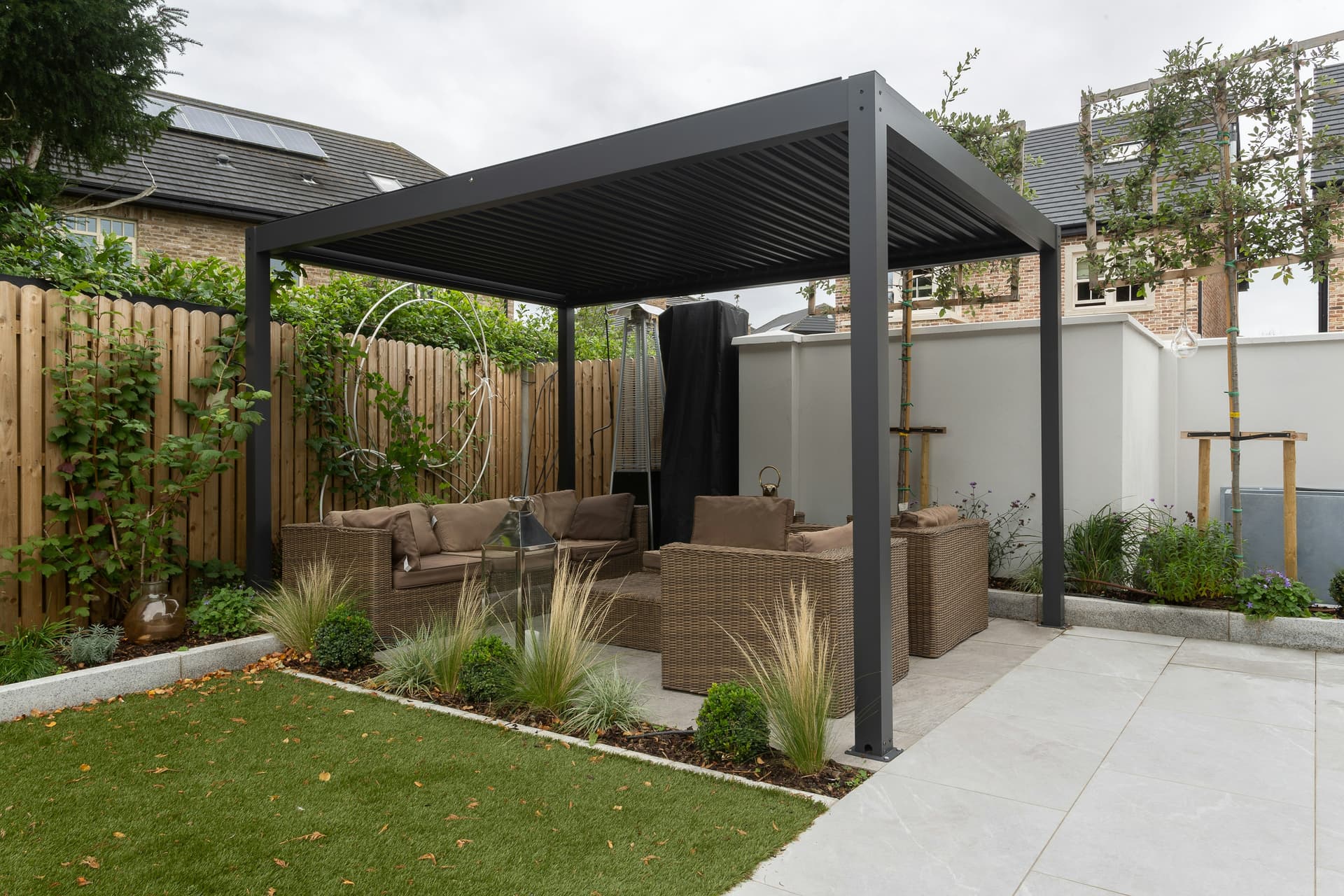
The Quiet Art of Garden Shade: How to Build a Villa Garden You Can Actually Use in August
The most expensive mistake a Mediterranean villa garden can make is to be unusable in August. Shade is a 10 °C climate intervention — the single most important design element — and it should be planned first, not last.
Editorial & digital direction
Written, designed, and built by MHD ZUHIR MADAMANI · Istanbul