Privacy in the Garden: How to Screen a Villa Without Making It Feel Like a Prison
Neighbours built a three-storey addition. Someone put up a new balcony overlooking your dining terrace. A road widened. Privacy is lost. Here is how the atelier restores it without turning the garden into a fortress.
Photo: Unsplash
Having this problem in your own garden?
Get a free site visitPrivacy was why you bought the garden. Then something changed. A neighbour built up. A new road went in. Tourist rental windows appeared where there used to be sky. And suddenly what was a private outdoor living room has the eyes of strangers on it every afternoon.
This is one of the most common reasons we get called to an existing villa garden. The owner does not want to leave the property — they want the privacy back. The usual first instinct is a tall wall, which is expensive, often forbidden by municipal code, and always ugly. The right answer is almost always a designed living screen.
This is how we approach privacy restoration on villa commissions, with the species, the heights, and the honest timelines.
First, diagnose the actual problem
Privacy is almost never a single issue. Walk the garden from every seat, every path, every window you use. Note:
- From which specific angle is someone overlooking you?
- At what height? Ground-floor, first-floor, rooftop, drone?
- Is it occasional (passing pedestrians) or constant (a balcony that sits there)?
- At what distance?
A 2.5-metre hedge solves ground-level overlooking. It does not solve a third-floor balcony at 20 metres distance. A 6-metre tree line does solve that — but takes years to grow unless we import mature trees.
Most villa privacy issues we see are actually three or four separate problems — the back terrace is overlooked from the east neighbour's first floor, the pool is seen from the west neighbour's roof, the front garden is seen from the road. Each needs its own solution.
The three layers of a living screen
A good garden screen has three layers, at three heights:
Layer 1 — the low wall (0.6 to 1.2 m). Defines the boundary, stops low-level visibility, provides a base for planting. Could be stone, hedge, or a mix. Critically, it grounds the higher layers so they do not read as "plants on an open lawn."
Layer 2 — the dense mid-level screen (2 to 4 m). This is the workhorse. Evergreen hedging species at the right spacing creates a continuous visual barrier at eye-level and first-floor level. This is what does most of the privacy work.
Layer 3 — the tree canopy (5 to 12 m). Breaks up the upper view — balconies, windows, drones. Trees placed specifically to interrupt sight lines, not to form a solid hedge.
The mistake most gardens make: only one layer. A row of cypresses alone looks like a stockade. A low wall alone does almost nothing. The three layers together read as garden, not defence.
◆ NAS Landscape
Not sure if this applies to your garden?
The four causes above look alike from a distance but need different treatments. A 30-minute site visit from our specialist gives you the right answer — no guessing.
Request a free diagnosisThe best species, by situation
For immediate tall screen (fast growth, 2 to 4 m in 2 years)
- Cupressus sempervirens 'Glauca' (Italian cypress, blue form) — narrow, fast, Mediterranean
- Cupressus arizonica (Arizona cypress) — faster than Italian, slightly messier
- Laurus nobilis (bay laurel) — can be kept narrow, fragrant, culinary bonus
- Eleagnus x ebbingei — fast, tough, salt-tolerant
For a refined, tight hedge (slower growth, denser result)
- Prunus lusitanica (Portuguese laurel) — glossy, elegant, excellent for Istanbul
- Ilex aquifolium (English holly) — dense, evergreen, can be shaped
- Photinia x fraseri 'Red Robin' — dramatic red new growth, widely available
- Taxus baccata (yew) — the classic formal hedge, slow but permanent
For upper canopy screening (trees at 6 to 12 m+)
- Magnolia grandiflora — evergreen, glossy, dramatic flowers, Istanbul-hardy
- Cedrus libani (cedar of Lebanon) — majestic, slow-growing
- Quercus ilex (holm oak) — Mediterranean classic, evergreen, long-lived
- Olea europaea (olive) — when you want the canopy to be Mediterranean in character
For Gulf and hotter climates
- Conocarpus lancifolius (damas) — the Gulf's standard privacy tree, fast and bulletproof
- Ficus benjamina 'Exotica' — tight hedging, tolerates severe shaping
- Bougainvillea on structure — layered over trellis, makes an almost-opaque floral wall
- Phoenix dactylifera (date palm) — canopy screen, not mid-level
When to buy mature vs. grow from small
The honest trade-off:
Small stock (1 to 1.5 m plants):
- Cost per metre of screen: €30 to €80
- Time to screening height: 3 to 5 years
- Risk of gaps: higher (some plants will fail in the first year)
- Maintenance before mature: weekly
Semi-mature (2 to 2.5 m):
- Cost per metre of screen: €80 to €200
- Time to screening height: 1 to 2 years
- Risk of gaps: lower
- Installation requires skilled handling
Mature specimen (4 m+):
- Cost per metre of screen: €300 to €800
- Time to screening height: immediate
- Installation requires crane access
- Survival depends on quality of lift, transport, and aftercare
From NAS's own nursery experience: for villa clients who want instant privacy, we typically use a mix — semi-mature hedging for the continuous screen, with a few mature specimen trees placed strategically for canopy interruption. This gets to 90 percent of the screening effect in week one, and fills the rest in over 18 to 24 months.
The technical details that decide success
Spacing. Most failures we see are from plants spaced too far apart. The "final mature width" on a plant label is typically the open-grown form. For hedging, use 60 to 70 percent of that spacing for fast closure.
Soil preparation. A continuous trench, 60 cm wide and 50 cm deep, filled with improved soil, is dramatically better than individual planting holes. Trench planting creates a continuous root zone; the plants share water and nutrients and grow more uniformly.
Irrigation. Dedicated drip line along the hedge, not shared with lawn. Hedging species on lawn irrigation either rot from excess water or starve from too-frequent light watering.
Pruning regime from day one. A hedge trained from year one into its intended form is vastly denser than one allowed to grow wild and then cut. A yew or Portuguese laurel planted and ignored for three years will never be as good as one pruned quarterly from the start.
Regulatory reality check
Before we commit clients to a solution, we check the local context:
- Istanbul — most municipalities limit boundary planting to 4 metres without permit; some (Beykoz, Sarıyer) require neighbour notification for tall hedges
- Gulf states — each emirate or city has distinct rules; some require specific species approval for coastal plots
- Türkiye's coastal zones — environmental protection zones have strict rules about non-native species
A competent landscape architect checks these. A contractor installing cypresses usually does not. We have had clients forced to remove tall screens installed by contractors who did not check. Ask.
The whole-garden approach
Privacy screens that work do not look like they were added. They look like part of the garden was always meant to be that way. That requires thinking about the screen as a design element, not a defensive wall.
Design tactics that distinguish professional work:
- Vary heights along the screen line — never a flat horizontal ribbon. 3.5 m here, 2.5 m there, a taller tree punctuating.
- Place flowering or interesting species at eye-height inside the hedge — a climbing rose through cypress, a vine through a laurel — so the screen reads as layered planting.
- Curve the screen line slightly away from a straight property boundary. Curves read as designed; straight lines read as fencing.
- Set paths and seating to use the screen — a bench under a mature tree, a path curving behind the hedge — so the screen becomes part of how the garden is used.
When to bring us in
Privacy restoration is one of the most frequent calls we take from existing villa owners across Türkiye, the Gulf, and the Levant. If you are facing new overlooking, a changed neighbourhood, or a garden that never had proper privacy in the first place, send us photos of the specific sight-lines that are problematic to WhatsApp +90 535 422 5227. A real landscape architect will propose a screen plan the same working day. No charge for the first read.
NAS Landscape designs privacy screens, hedging, and canopy plantings for villa gardens, estates, and public commissions across seven countries. Established 1965, Damascus. Written by MHD ZUHIR MADAMANI, Istanbul.
◆ A real diagnosis, not a guess
Send a photo. Get a plan.
Our specialists handle cases like yours across Istanbul and the wider region. Share a photo on WhatsApp or book a free site visit — whichever is faster for you.
60+ years · 7 countries · 500+ projects · third-generation atelier
◆ More field notes
 Design
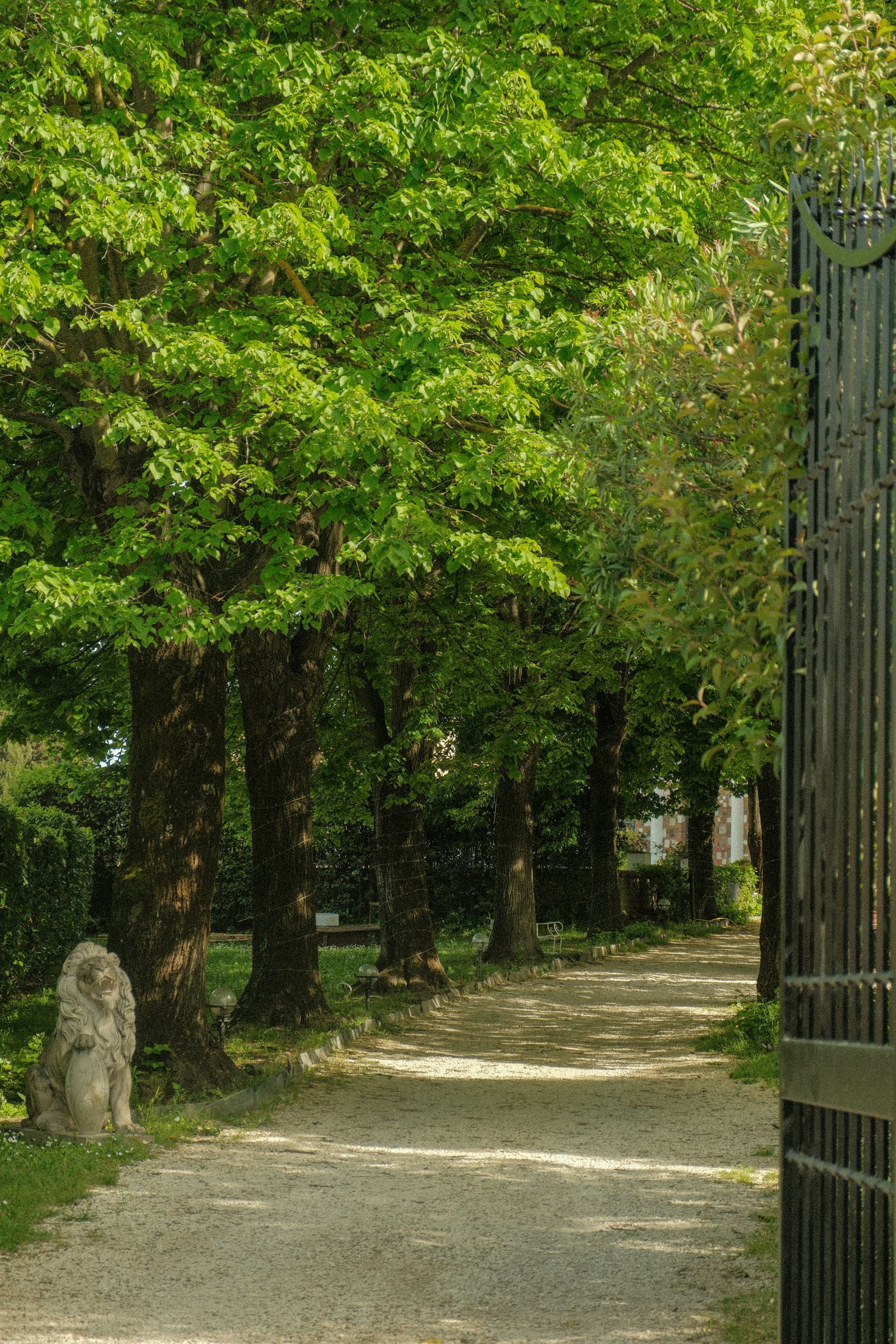
The Villa Entrance: How the First Thirty Metres Decide the Whole Garden
The garden a villa owner spends most of their budget on is rarely the one a visitor remembers. The entrance — the first thirty metres — carries every first impression, and is almost always treated as an afterthought.
 Design
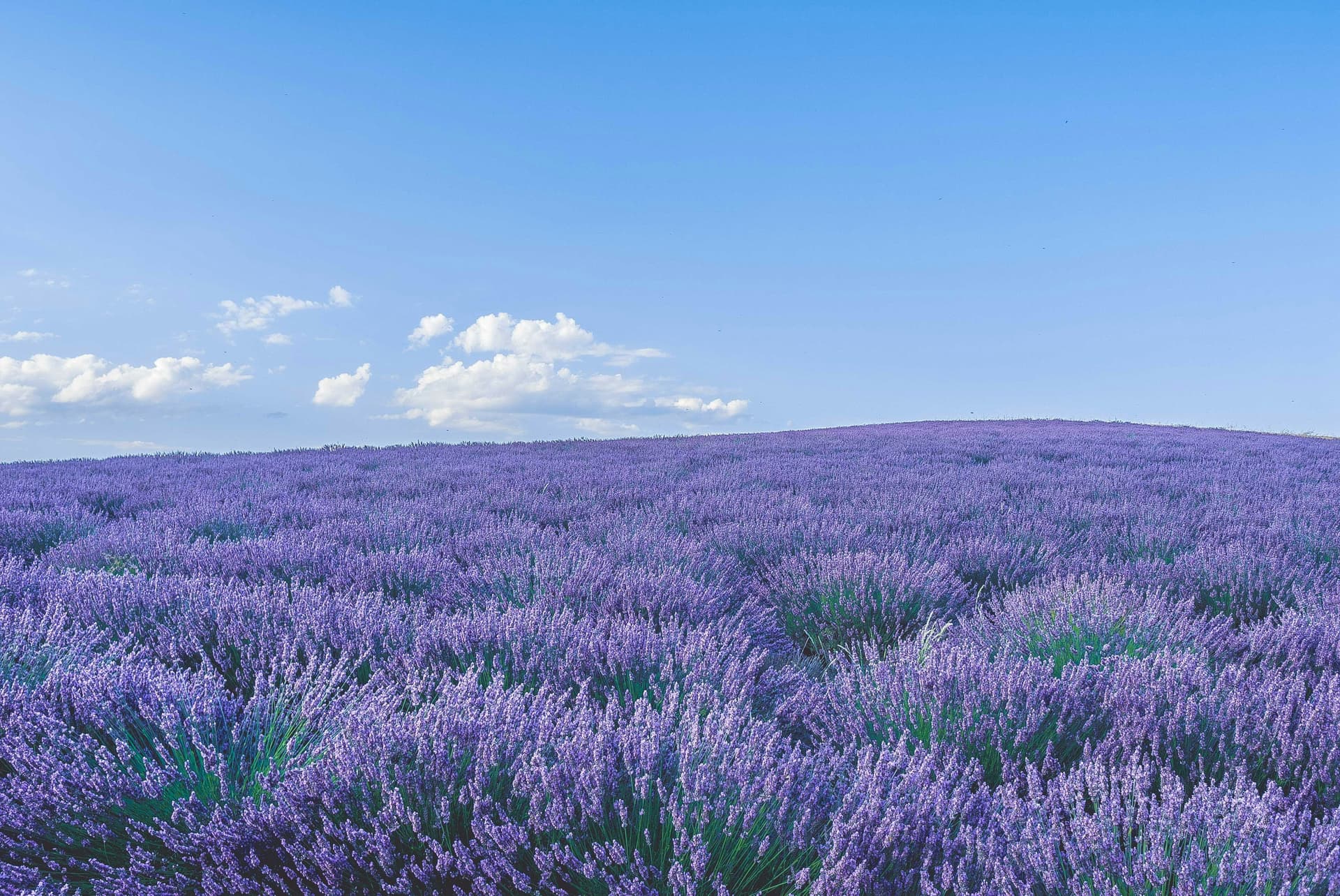
Lavender That Doesn't Die: Why Most Mediterranean Plantings Fail in Year Two
Almost every failed lavender is killed the same way: with kindness. Rich soil, regular water, spring care — and two seasons later the plant is woody, brown, and gone. Lavender wants the opposite.
 Design
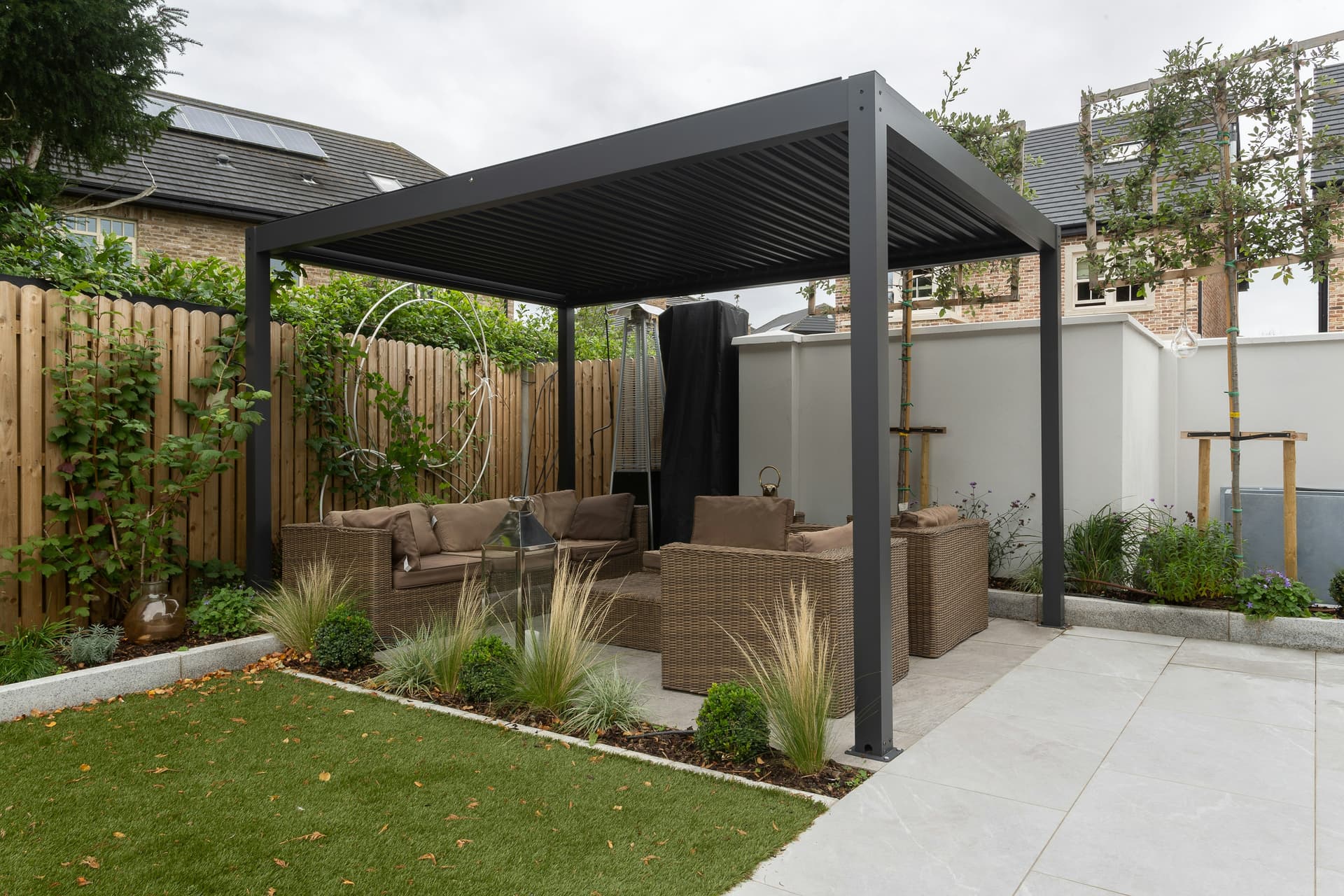
The Quiet Art of Garden Shade: How to Build a Villa Garden You Can Actually Use in August
The most expensive mistake a Mediterranean villa garden can make is to be unusable in August. Shade is a 10 °C climate intervention — the single most important design element — and it should be planned first, not last.
Editorial & digital direction
Written, designed, and built by MHD ZUHIR MADAMANI · Istanbul